Vegetable Garden Layout: The Backyard Setup I Wish I Had Started With
A good vegetable garden layout can save you a whole lot of walking, digging, watering, and muttering under your breath later. I learned that the hard way. It’s tempting to just find an empty patch of backyard, start planting tomatoes wherever they fit, toss in some lettuce, and call it a garden. Sounds easy, right? Until the tomato plants are blocking the path and you’re stepping over cucumber vines just to reach the carrots.
The funny thing is, you don’t need a huge backyard to make a productive garden. A small urban garden can work beautifully if the layout makes sense. You just need to think about sunlight, water, walking paths, plant size, soil, compost, and what you actually like eating.
So lemme show you the simple way I’d plan a vegetable garden layout from scratch.
First, Stop Thinking About Plants and Think About Movement
This is probably the most boring part of garden planning, but it matters more than people think.
Imagine yourself carrying a watering can through the garden. Now imagine doing it after a long day when you’re tired and the hose is tangled around something. That’s when a bad layout suddenly becomes very annoying.
Your garden needs paths.
Not fancy paths. Just enough space to walk, kneel, pull weeds, harvest vegetables, and bring in compost without stepping on plants.
For a backyard garden, I like having one main path that reaches the important areas. Smaller paths can branch off from there. If you’re using raised beds, leave enough room between them for a wheelbarrow or garden cart if you have one.
Where Should a Vegetable Garden Go?
Sunlight comes first. Before you worry about cute garden borders or rustic fencing, watch the sun.
Most common vegetables want plenty of direct sunlight. Tomatoes, peppers, cucumbers, squash, beans and many root vegetables generally perform better with a sunny location.
Spend one day checking your yard at different times. Morning, noon and late afternoon. You might be surprised by how much shade a house, fence, tree or shed throws across the yard.
And here’s something that catches people out: the sunny spot in April may not be the sunny spot in July. Trees fill out, the sun angle changes, and suddenly half your garden is sitting in shade.
For an urban backyard, this little bit of observation can make a bigger difference than buying expensive garden soil.
My Favorite Vegetable Garden Layout for a Backyard
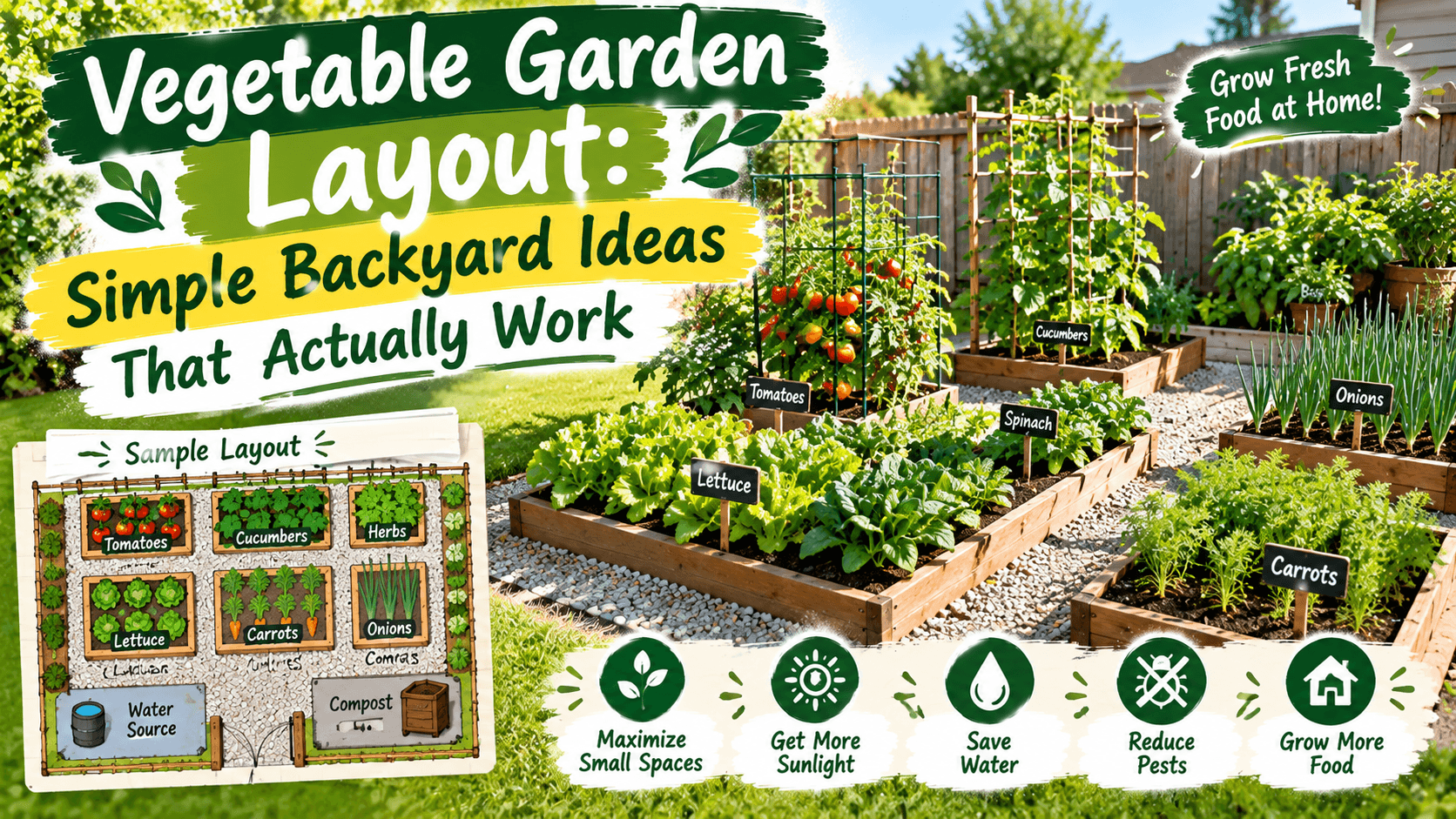
If you have a decent amount of space, I like a simple rectangle divided into several beds.
Think four or six growing areas with walking paths between them. You don’t need every bed to be the same size. In fact, I’d rather have practical beds than perfect-looking ones.
One basic layout could look like this:
- Bed 1: tomatoes and basil
- Bed 2: peppers and onions
- Bed 3: lettuce, spinach and other leafy greens
- Bed 4: carrots, radishes and beets
- Bed 5: beans and cucumbers with support
- Bed 6: herbs and flowers for pollinators
You can change that around based on what your family actually eats. There’s no prize for growing vegetables nobody wants to eat.
Put Tall Plants Where They Won’t Shade Everything
This is one of those small planning details that can save a lot of frustration.
Tall crops should generally go where they won’t cast unwanted shade over shorter plants. In many gardens, that means placing tall plants toward the side of the garden that gets less useful sunlight, depending on your location and the path of the sun.
Tomatoes can get surprisingly big. Corn gets tall. Trellised cucumbers and pole beans can become a wall of leaves.
I once saw a garden where the tall crops were planted right in front of the smaller vegetables from the main sunny direction. The lettuce underneath was basically living in a green cave.
Don’t make that mistake.
How I’d Layout a Small Vegetable Garden
If your backyard is small, don’t try to copy a giant farm garden. That usually just creates a crowded mess.
For a small space, I’d use two or three narrow beds with paths between them. Raised beds can work well, but they aren’t required. You can grow directly in the ground if the soil drains properly and is suitable for gardening.
A narrow bed is especially handy because you can reach both sides without walking through the soil.
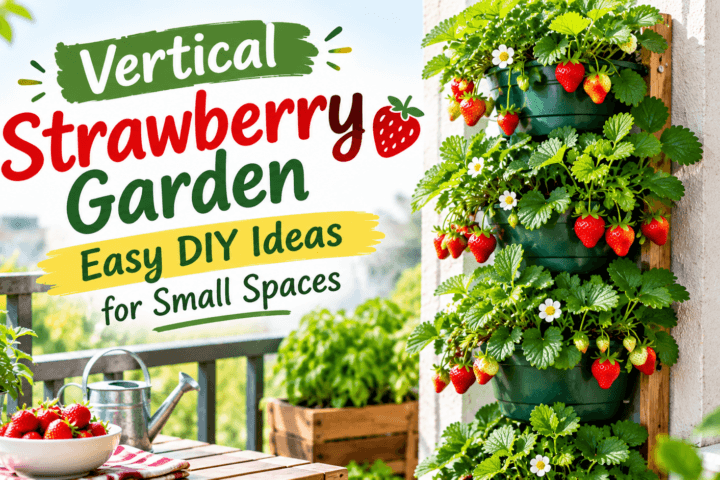
And don’t forget vertical growing.
A simple trellis can let cucumbers, peas or climbing beans grow upward instead of spreading across the ground. That gives you more growing space without needing more land.
What About an Urban Vegetable Garden Layout?
Urban gardening is a little different. You might be dealing with a tiny yard, balcony, patio, rental property, or just a weird strip of ground beside the house.
That’s okay.
Use containers where permanent beds don’t make sense. Five-gallon containers, large pots, fabric grow bags and homemade planters can all be useful depending on what you’re growing.
Just remember that containers dry out faster than garden soil. In hot weather, that can mean watering much more often.
If you’re renting, containers also have the nice advantage of being movable.
And check local rules before building permanent structures, fences, greenhouses or anything else that could cause problems with a landlord or neighborhood regulations.
Keep Water Close to the Garden
Here’s a funny little truth about gardening: the farther the garden is from the water source, the more complicated watering becomes.
At first you think, “No problem, I’ll just carry a watering can.”
Then it’s 95 degrees outside and you’re making your sixth trip.
Put your main beds as close to a practical water source as you reasonably can. If you use a hose, think about where the hose will travel. You don’t want it dragging through delicate plants every evening.
Drip irrigation or soaker hoses can also make watering easier, especially for larger beds. Just make sure the system is installed safely and check it regularly for leaks.
Where Should Compost Go?
Don’t put your compost pile at the opposite end of the property because you think it looks nicer there.
Trust me, compost gets heavy.
Garden scraps, leaves, grass clippings and finished compost all have to move somehow. A compost area that’s reasonably close to the garden makes life easier.
You can also keep a small kitchen scrap container indoors and transfer it to the main compost area regularly.
For urban homesteading, a compact compost bin or tumbler may make more sense than a huge open pile.
Make Room for Herbs and Flowers
A vegetable garden doesn’t have to be nothing but vegetables.
I like keeping herbs close to the kitchen if possible. Basil, parsley, chives, thyme and other herbs are useful because you can grab a little while cooking instead of buying a whole package at the store.
Flowers are useful too. Adding flowering plants can make the garden more inviting to pollinators, and they can turn a plain vegetable patch into something that actually looks good from the kitchen window.
Marigolds, nasturtiums and other garden-friendly flowers can fit nicely around vegetable beds, although don’t treat companion planting as magic. Good soil, sunlight, watering and pest management still matter.
Don’t Forget Crop Rotation
If you plan to use the same garden for several years, your vegetable garden layout can make crop rotation easier.
You don’t need a complicated farm spreadsheet.
Just avoid planting the same crop families in exactly the same place year after year when possible. Rotating crops can help with certain pest and disease problems and gives you a chance to use different parts of the soil over time.
One simple approach is to divide your beds and move major crop groups around each season.
Keep a little notebook. Seriously. Write down what you planted where.
Because next spring you’re going to swear you’ll remember. You probably won’t.
Raised Beds or In-Ground Beds?
There isn’t one perfect answer.
Raised beds can give you better control over soil, drainage and bed shape. They can also be easier to organize and maintain.
But they cost money and take time to build. If you already have decent soil, an in-ground vegetable garden can be perfectly productive.
For a tight budget, I’d start in the ground and improve the soil with finished compost rather than immediately buying lumber for six raised beds.
Spend money where it actually solves a problem.
A Few Vegetable Garden Layout Mistakes to Avoid
Here are the ones I’d watch for before putting the first seed in the ground:
- Making beds too wide: You’ll eventually step on them because you can’t reach the middle.
- Ignoring the sun: A beautiful garden in the wrong spot is still a bad garden.
- Planting giant crops everywhere: Squash and cucumbers need room to roam.
- Forgetting harvest access: You need to reach the vegetables without crushing other plants.
- Putting water too far away: It becomes a chore fast.
- Planting more than you can use: Especially with zucchini. Oh boy.
My Simple Vegetable Garden Layout Planning Trick
Before you build anything, grab a piece of paper.
Draw your house, fence, trees and other permanent objects. Mark the sunny areas and the places where water is available.
Then draw your paths.
Only after that should you start adding the vegetable beds.
Now write down what you actually want to grow. Not what looks impressive on social media. What do you eat?
If you eat tomatoes every day in summer, give tomatoes room. If nobody likes turnips, maybe don’t dedicate half a bed to turnips just because they’re easy to grow.
A productive garden should fit your life.
Vegetable Garden Layout FAQ
What is the best layout for a vegetable garden?
There’s no single best layout. A practical setup usually has good sunlight, easy access, enough walking space, convenient watering and enough room for plants to mature without crowding each other.
How wide should vegetable garden beds be?
Keep them narrow enough that you can reach the middle from the path without stepping into the bed. For many backyard gardeners, roughly 3 to 4 feet wide is comfortable, but your reach and garden setup matter more than a magic number.
Can I make a vegetable garden in a very small backyard?
Absolutely. Use narrow beds, containers and vertical trellises. Grow the vegetables you actually eat and make every square foot earn its keep.
Build the Garden You’ll Actually Use
The best vegetable garden layout isn’t the one that looks perfect in a photograph. It’s the one that makes you want to walk outside, grab a basket and pick something for dinner.
Keep the paths practical. Put tall crops where they won’t cause shade problems. Keep water nearby. Leave room for compost, harvesting and future changes. And don’t be scared to move things around next season. That’s part of gardening.
You’re gonna mess some things up. Everybody does. The nice thing is that a garden gives you another chance every season.
If you get stuck planning your vegetable garden layout, start small. Three good beds that you can actually manage are better than twelve beds that become a jungle by July. And if you’ve got a weird backyard shape, that’s fine too. Work with it instead of fighting it.
Got a strange garden space or a layout that’s driving you nuts? Leave a comment and describe it. Sometimes the odd little spaces are the most fun to figure out.