Lemme tell you something funny right off the bat. About eight years ago I dragged a broken chest freezer home from a curb three streets over, in the rain, by myself, at 10pm, because I was too proud to ask my neighbor for help. I got maybe halfway home before I dropped it on my foot. Still limped for a week. But you know what? I fixed that freezer up and used it as a root cellar box buried in my backyard for two winters. Free homestead supplies will do that to you — make you do dumb things at 10pm in the rain because you know the payoff is worth it.
If you’re new to backyard homesteading, urban gardening, or just trying to live a little more self-sufficient without going broke, free homestead supplies are honestly the backbone of how most of us actually get started. Nobody I know who’s doing this stuff bought everything shiny and new. We scrounge, we trade, we get lucky, and sometimes we get hurt feelings when the free thing turns out to be garbage. That’s homesteading.
Why Free Homestead Supplies Actually Matter (Not Just to Save Money)
Sure, saving cash is the obvious reason. Chicken coops, raised beds, compost bins, canning jars, fencing — this stuff adds up fast if you’re buying it all retail. But there’s more to it than money.
When you build your setup out of free and reclaimed materials, you learn how things actually work. You’re not just following a kit instruction sheet, you’re figuring out how to make a wonky pallet fit a weird-shaped corner of your yard. That kind of problem-solving is basically the whole permaculture mindset — using what’s already there, wasting nothing, working with what you got instead of against it.
Plus, and I don’t say this to sound preachy, keeping stuff out of the landfill just feels good. That old freezer wasn’t going to a scrapyard, it was going in my ground doing a job.
Where I Actually Find Free Homestead Supplies (My Real List)
Okay here’s my top spots, not some generic internet list. This is where I’ve personally scored stuff:
- Curb alerts and bulk trash days — my city does a “big trash pickup” twice a year and I plan my whole month around it. Found two wooden pallets, a claw-foot tub (used it as a raised bed, works great), and a rusty but usable wheelbarrow.
- Buy Nothing groups on Facebook — this one changed my whole homestead honestly. People give away chicken wire, extra seedlings, canning jars by the box, even full coops when someone moves.
- Craigslist free section — check it daily, the good stuff goes in like 20 minutes.
- Local breweries and coffee shops — most will just give you spent grain or coffee grounds for compost if you ask nice and bring your own bucket.
- Construction sites (with permission, always ask) — scrap lumber, sometimes leftover hardware cloth or fencing.
- Neighbors cleaning out sheds — just talk to people. Half my garden tools came from an old guy down the street who was moving into an apartment and didn’t want to haul his stuff.
Trust me, I learned the hard way that showing up polite and just asking works way better than you’d think. People WANT their junk to go to someone who’ll use it.
The Time Free Supplies Almost Ruined My Garden
Here’s a story you’re gonna laugh at, or maybe wince at. Couple years back I got a truckload of “free mulch” from a tree removal guy. Free wood chips, sounded amazing. I dumped it all over my veggie beds without thinking twice.
Turns out that mulch had a bunch of black walnut chips mixed in, and black walnut releases this stuff called juglone that straight up kills tomatoes and a bunch of other plants. Lost almost my whole tomato patch that year. So here’s my honest tip: free isn’t always free. Ask what trees the chips came from, let mulch age a season if you’re not sure, and never assume “free” means “safe.”
Same goes for free pallets by the way — some are treated with chemicals for international shipping (look for the stamp, avoid ones marked “MB” for methyl bromide, ones marked “HT” for heat treated are generally fine). I didn’t know this for my first two years of pallet projects. Lucky I never grew food in pallet wood beds, just used them for compost bins and fencing.
My Top Free Supplies for Different Parts of the Homestead
Here’s my morning routine kind of breakdown, category by category:
For the garden:
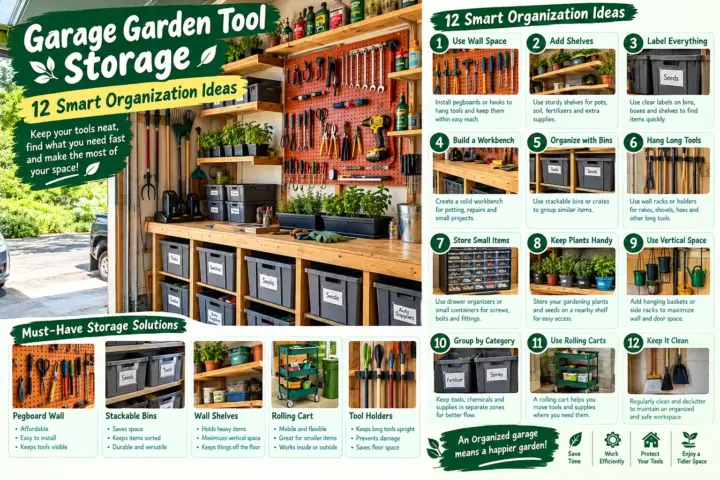
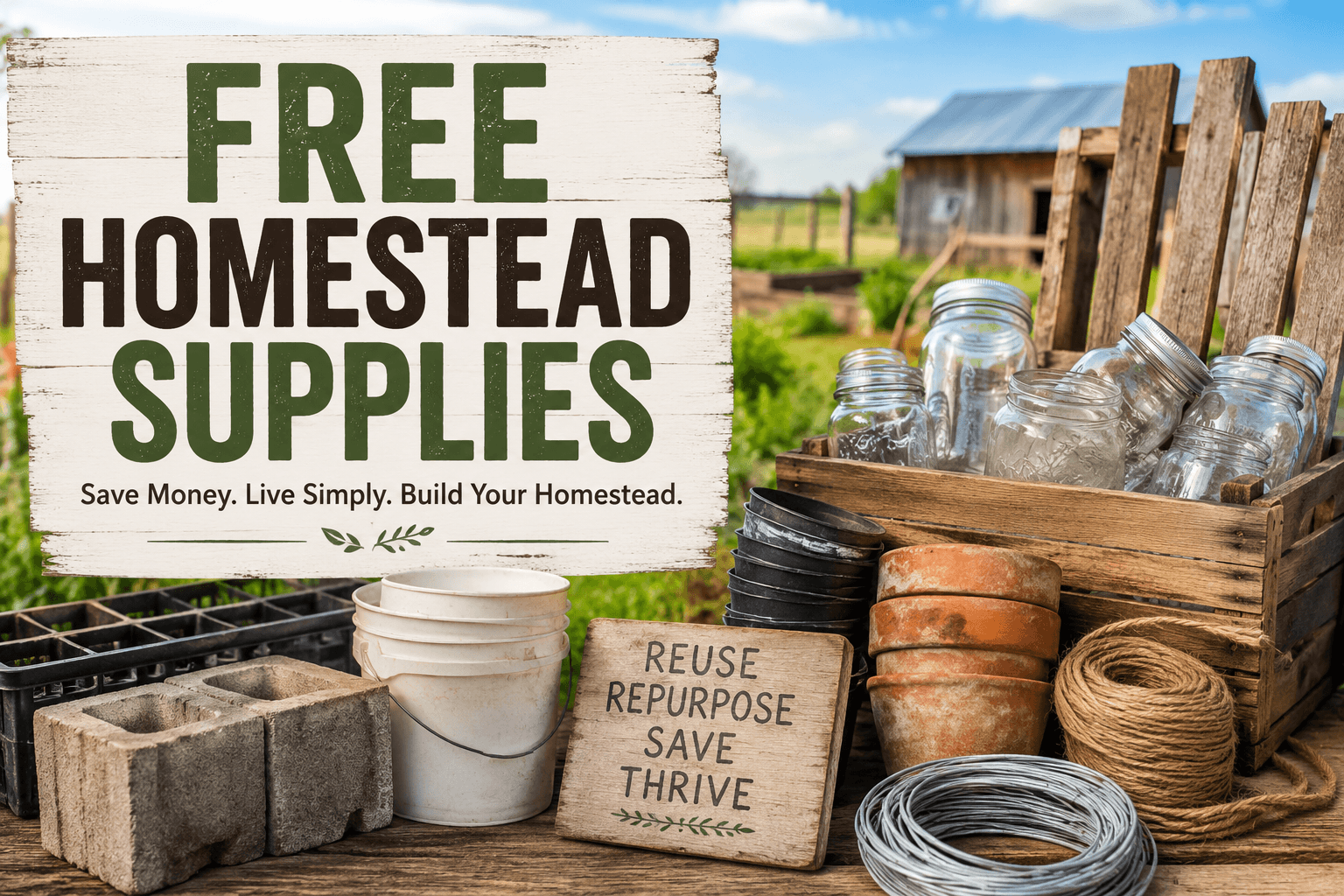
- Free wood pallets for raised beds and compost bins
- Cardboard from grocery stores for sheet mulching (kills grass without chemicals)
- Coffee grounds and spent grain for compost
- Free seeds from seed swaps or library seed banks (a lot of libraries do this now)
For chickens:
- Old dog crates or kiddie pools for brooders
- Free straw from farms after harvest (ask, don’t just assume)
- Scrap lumber for coop building
- Extra eggs cartons from friends (always need more)
For canning and food storage:
- Canning jars from estate sales, thrift stores, or Buy Nothing groups (check for cracks and chips on the rim, that’s the one thing I don’t skimp on buying used)
- Old bookshelves repurposed into pantry shelving
- Free glass bottles for infused vinegars or oils
For off-grid and self-sufficient projects:
- Old car batteries sometimes get given away (careful with these, know what you’re doing)
- Rain barrels from food-grade drums, restaurants and car washes sometimes give these away free
- Solar panel scraps from decommissioned setups, though this one takes more digging around
Is Backyard Farming with Free Supplies Really Worth the Hassle?
Honestly? Yeah, mostly. But I won’t lie to you and say it’s always smooth. Sometimes you drive 40 minutes for “free fencing” and it’s rusted through and useless. Sometimes the free chicken coop needs more repair than building new would’ve cost you in time. You gotta know when to say no thanks and just buy the darn thing.
My rule now: if it needs more than a weekend of work, or if I can’t picture exactly where it goes in my yard, I skip it. Learned that after saying yes to way too much stuff cluttering up my garage for two years.
Mini FAQ
Q: Can I start homesteading with no land and no money? A: Heck yes. I started with a few pots on my apartment fire escape and free seeds from a library seed swap. Urban homesteading doesn’t need acreage, just some sun and some patience.
Q: Where’s the best place to start looking for free homestead supplies? A: Buy Nothing groups, hands down. Then curb alerts, then just talking to your neighbors. Old-fashioned but it works.
Q: Is used stuff always safe to use around food or animals? A: No, and this is important. Check for chemical treatments on wood, avoid mulch from unknown trees, inspect canning jars closely, and when in doubt about anything touching your food, skip it. Better safe than sorry.
Final Thoughts (And a Real Ask From Me)
Free homestead supplies aren’t about being cheap, they’re about building something real with your own two hands and a little bit of hustle. My whole backyard setup — the compost bins, half my fencing, my root cellar, most of my canning shelf — came from stuff other people didn’t want anymore. It’s not always pretty and it’s definitely not always easy, but there’s something satisfying about it that buying new just doesn’t give you.
Got a weird question about scoring free supplies or turning junk into something useful on your homestead? Drop it in the comments, I actually read and answer every one. If you get stuck, just ask — I mess up plenty too, and I’m always happy to swap stories.