Backyard aviary ideas work best when the space is planned around the birds first. A practical outdoor aviary needs room to move, protection from weather, secure boundaries, useful perches, clean food and water areas, and easy access for daily care.
Backyard aviary basics
- Choose the location before deciding on the final shape.
- Provide shade, shelter, ventilation, and open movement space.
- Match the mesh, materials, and layout to the birds you keep.
- Make feeding, cleaning, and inspection easy.
- Plan for predators, wild birds, weather, and escape prevention.
What Makes a Good Backyard Aviary?
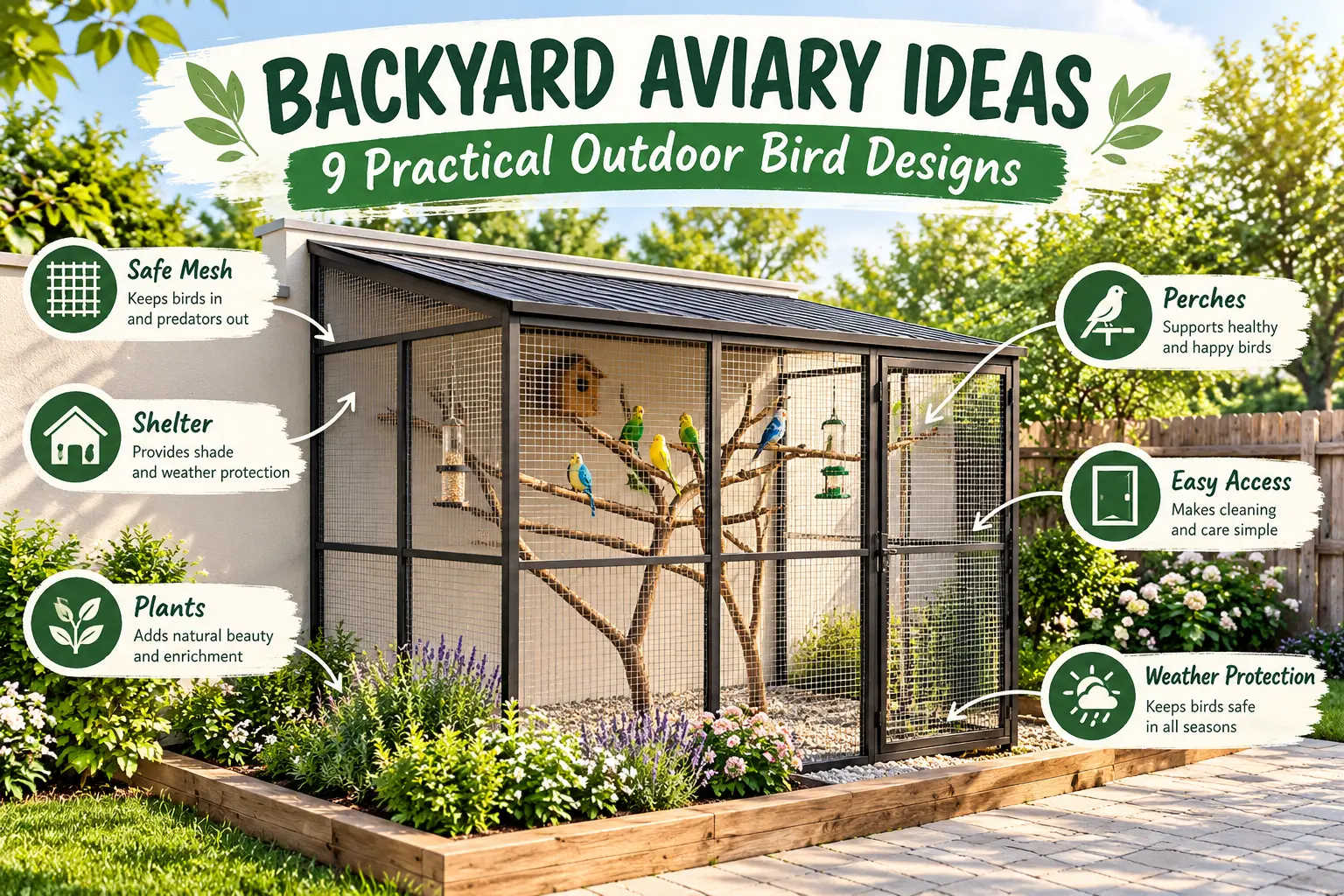
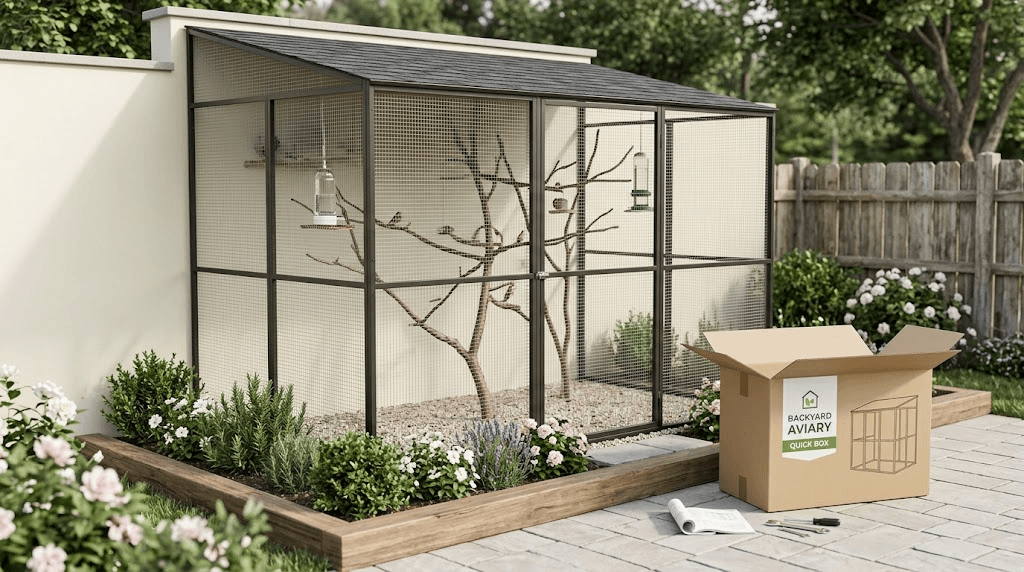
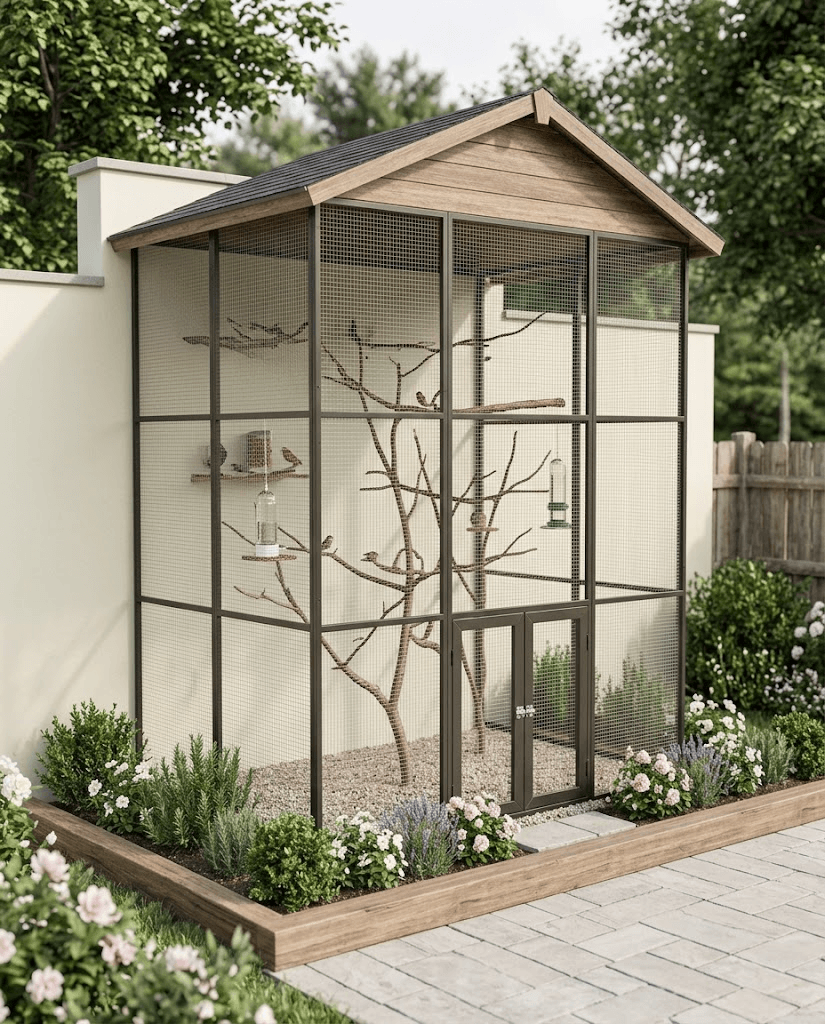
The aviary in the inspiration photo uses a smart layout for a compact backyard. It sits beside a wall, uses a tall walk-in frame, includes natural branches, provides a covered section, and adds flowers around the outside to soften the structure.
Those visual ideas are useful, but an aviary should not be copied from a photo without considering the birds that will live inside it. The right dimensions, mesh, shelter, perches, flooring, and feeding setup depend on the species, local weather, predators, and how the enclosure will be used.
Start with function. Decide what birds the space is for, how you will enter it, how you will clean it, where food and water will go, and where the birds can retreat from sun, rain, wind, or cold.
Material safety: Do not assume every wire or metal product is suitable for every bird. Some birds chew enclosure materials, and galvanized metal contains zinc. Merck Veterinary Manual notes that galvanized wire and hardware can be a source of zinc exposure in pet birds. Choose materials for the species you keep and get avian veterinary guidance when you are unsure.
9 Backyard Aviary Ideas for a Practical Outdoor Space
1. Build a Walk-In Aviary Along a Wall
A tall aviary placed beside a house, garage, shed, or garden wall can make good use of an area that might otherwise stay empty. It can also keep the center of a small backyard open.
A walk-in design makes routine jobs easier because you can enter the enclosure to inspect perches, change water, clean surfaces, and check the frame.
Do not assume an existing wall can support the aviary. The enclosure may still need an independent frame, proper anchors, drainage, and construction that fits local building requirements.
2. Combine an Open Area With Covered Shelter
An outdoor aviary should not be completely exposed. A covered section gives birds a place to move away from direct sun and bad weather.
The inspiration photo uses a solid roof over the main enclosure while keeping the sides open to light and air. That basic idea can work, but the amount of shelter needed depends on climate and bird species.
Birds that are sensitive to cold, extreme heat, wind, or wet conditions may need a more protected indoor section rather than a simple roof.
3. Add a Garden Border Around the Aviary
A narrow planting bed can make a metal enclosure feel more connected to the garden. Small shrubs, flowers, mulch, or a simple wooden border can soften the lower edge of the aviary.
Keeping decorative plants outside the mesh is often easier than planting heavily inside the bird area. Birds may chew plants, damage roots, or scatter soil.
Do not let thick planting hide the base of the enclosure. You should still be able to inspect the mesh, frame, ground edge, and corners for damage or signs of digging.
4. Use Natural Perches at Different Heights
Natural branches can give an aviary a more useful and less artificial interior. Suitable branches can provide different shapes and thicknesses for birds to stand, climb, and move between areas.
The goal is not to fill every empty space. Leave clear room for movement and flight where appropriate for the species.
The RSPCA recommends natural wooden perches of different sizes and advises placing them where they encourage movement. It also recommends keeping perches away from positions where droppings could fall into food or water.
5. Keep the Center Open
It is easy to add too many branches, boxes, toys, feeders, and decorations because an empty aviary can look unfinished.
For the birds, open space can be more valuable than another decoration. Place important items around the usable edges where possible and preserve clear movement paths.
This is especially important in long or narrow aviaries where poor placement can turn a large enclosure into a series of obstacles.
6. Create a Simple Feeding and Cleaning Zone
Daily care should influence the layout from the beginning. Feeders and water containers should be easy to reach, remove, clean, and inspect.
Avoid placing them directly under favorite perches. Keep enough clear floor or path space to enter the enclosure without stepping around branches and equipment.
A floor that stays wet after rain or washing can also become difficult to maintain. If your yard already has water problems, review FarmSolo’s backyard drainage system guide before choosing a permanent aviary location.
7. Consider a Safety Entry With Two Doors
Opening one door directly into the main bird space creates an obvious escape opportunity. A small safety entrance or two-door system adds another barrier.
You enter the first space, close the outside door, and then open the aviary door. This simple layout is worth considering for birds that can quickly fly past someone entering the enclosure.
Door design still needs regular inspection. Check hinges, latches, gaps, lower corners, and any area that may loosen over time.
8. Use Landscaping to Blend the Aviary Into the Yard
You do not need to hide an aviary. Instead, repeat materials already found in the garden.
A dark frame can work well with natural wood edging, pale paving, green plants, and simple flowers. Keeping the palette restrained usually looks better than adding many decorative features to the enclosure itself.
Good backyard planning also considers paths, water, work areas, and how often you use each space. FarmSolo’s homestead garden layout guide explains the same practical approach for the wider yard.
9. Make the Interior Easy to Change
Bird housing needs can change. Perches wear out, equipment moves, birds may need separation, and sheltered areas may need adjustment with the seasons.
A simple layout is easier to modify than an enclosure built around permanent decoration.
Removable perches and carefully planned equipment locations can make maintenance easier. If separate sections are needed, use partitions designed for the birds rather than improvising after the enclosure is occupied.
How to Choose the Best Location
A beautiful aviary in the wrong location can create problems every day. Watch the proposed area before building and notice how conditions change from morning to afternoon.
Check these conditions first
- Direct morning and afternoon sun.
- Shade during hot parts of the day.
- Strong wind exposure.
- Standing water after rain.
- Roof or gutter runoff.
- Nearby trees, fences, or roofs that animals can use for access.
- Space around the enclosure for maintenance.
- Convenient access to bird supplies and clean water.
Also check zoning, property setbacks, animal rules, building requirements, and homeowners association rules where they apply. Requirements vary by location.
Choose Materials for the Birds, Not Just the Look
The mesh is one of the most important parts of an aviary, but there is no single mesh specification that is right for every bird.
Openings need to be appropriate for the species so birds cannot escape or become trapped. The enclosure also needs to resist the predators and wildlife found in your area.
Companion birds may chew wire, fasteners, chains, clips, and other metal parts. Material safety therefore matters as much as physical strength. The Merck Veterinary Manual discusses lead and zinc exposure from metal cages and hardware.
Do not copy a material list from an aviary built for another bird species without checking that it is appropriate for yours.
Plan for Weather Before Decoration
Outdoor birds need a way to move away from difficult conditions. Shade is important during hot weather, but weather planning also includes wind, rain, cold, and rapid temperature changes.
A roof alone may not provide enough protection in every climate. Some birds need access to a more enclosed, insulated, or indoor area.
The RSPCA’s bird housing guidance recommends providing protected indoor and outdoor areas for aviary birds and protecting them from weather extremes.
Think About Wild Birds and Biosecurity
If you are keeping poultry or similar backyard flock birds, predators are not the only outside concern. Wild birds and other wildlife can also introduce disease or contaminate feed and water.
Keep food securely stored, clean up spilled feed, protect drinking water where possible, and repair damaged mesh or openings.
The USDA Defend the Flock guidance recommends keeping wild birds and other wildlife away from poultry areas and repairing openings that allow them access.
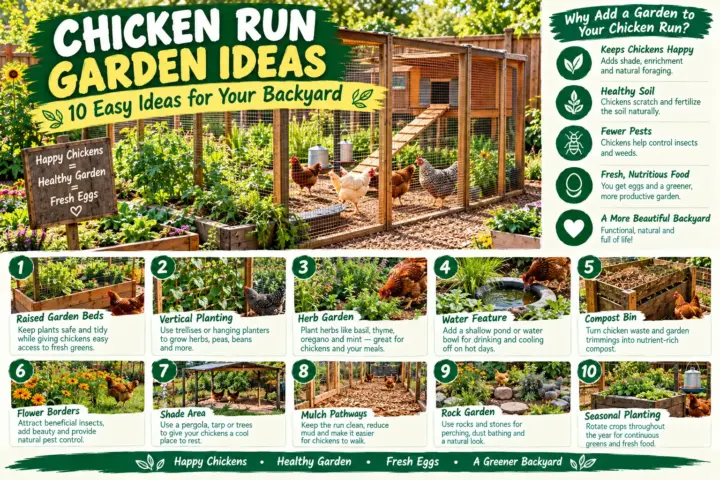
If backyard poultry is part of your setup, FarmSolo’s backyard chicken coop garden ideas can also help with planning animal areas around the garden.
Common Backyard Aviary Mistakes
- Copying a Pinterest design exactly. A photo does not tell you what species the enclosure was designed for or what local conditions it handles.
- Choosing wire only by price. Strength, opening size, coatings, metals, and bird behavior all matter.
- Adding too many branches and boxes. Decoration should not remove useful movement space.
- Ignoring drainage. A low, wet corner of the yard can make cleaning and maintenance difficult.
- Making feeding difficult. Food and water should not require climbing around the enclosure every day.
- Using weak door hardware. A strong enclosure still has a problem if its easiest opening is the door.
- Adding nest boxes without a reason. A box shown in an inspiration photo may not be suitable or necessary for your birds.
- Planting unknown plants inside. Confirm plant safety for the bird species before allowing access.
Backyard Aviary FAQ
How big should a backyard aviary be?
There is no useful universal size for every bird. The species, number of birds, flight needs, social behavior, shelter, and usable open space all matter. Check welfare guidance for the specific birds you plan to keep before deciding on dimensions.
Should an outdoor aviary have a roof?
Birds need appropriate protection from weather and threats above the enclosure. A covered section is useful in many designs, but some species and climates require more substantial sheltered housing.
Can I put plants inside an aviary?
Only use plants that have been confirmed as safe for the exact birds you keep. Plants inside can also make cleaning and inspection harder. Landscaping outside the aviary is often simpler.
Are natural branches good for aviary birds?
Suitable bird-safe natural branches can provide varied perches and encourage movement. Use clean, appropriate wood and position perches so they do not contaminate food or water.
Can birds stay in an outdoor aviary all year?
That depends on the species and climate. Outdoor conditions that are comfortable during one season may be unsafe during extreme heat, cold, wind, or prolonged wet weather.
Do I need a double-door aviary entrance?
It is worth considering because a small safety area gives you another barrier between the birds and the open yard. It is especially useful with birds that can quickly fly through an open door.
Plan the Aviary Around the Birds
The best backyard aviary ideas balance bird needs, daily maintenance, and garden design. Start with the species, weather, materials, security, drainage, shelter, and access before thinking about decorative details.
Once those basics work, natural branches, a planted border, simple paving, and a restrained frame color can turn a practical enclosure into a feature that feels like part of the backyard.
Use Pinterest photos as inspiration for layout and appearance, but build the final plan around the birds that will actually live there.