No Dig Gardening: How I Stopped Fighting My Soil and Started Growing More
The first time I heard about no dig gardening, I honestly thought it sounded a little lazy.
I mean, isn’t digging what you’re supposed to do in a garden?
For years, I spent spring with a shovel, turning soil over, breaking up clumps, pulling roots, and generally making a huge mess in the backyard. I’d finish the job tired, dirty, and pretty proud of myself.
Then I’d do it all again the next year.
Eventually I started wondering if there was a better way.
That’s when I began experimenting with no dig gardening. I didn’t completely change my garden overnight. I tried it on one small bed first because, honestly, I wasn’t convinced.
But after a few seasons, I noticed something. The soil was easier to work with, weeds were more manageable, and I wasn’t spending half my weekend digging.
So lemme show you how I use no dig gardening in my own backyard, what worked, what didn’t, and a few mistakes I’d avoid if you’re just getting started.
What Is No Dig Gardening, Anyway?
No dig gardening is pretty much what it sounds like: you grow plants without regularly turning and digging the soil.
Instead of flipping the soil over with a shovel or tiller, you build up the growing area from the top.
That usually means adding materials such as compost or other suitable organic matter over the soil surface and planting into the improved layer.
You’re not trying to destroy the soil underneath. You’re gradually building on top of it.
That’s the basic idea.
And before anybody thinks this means you never touch a shovel again, let me be clear. Sometimes you still need one. Especially when you’re dealing with very compacted ground, removing a serious problem, installing paths, or building something new.
For me, no dig is less about following a strict rule and more about avoiding unnecessary soil disturbance.
Why I Gave No Dig Gardening a Try
My back was probably the biggest reason.
I’m 45 now, and I’ve reached the point where I don’t want every gardening job to turn into a wrestling match with the ground.
One spring, I spent almost an entire Saturday digging one garden bed. By Sunday morning my back was complaining every time I bent over.
I remember thinking, “There has got to be a smarter way to do this.”
That was when I decided to try building a garden bed from the top instead of digging the whole thing up.
I started small.
That part matters.
I didn’t convert the entire backyard because if it failed, I didn’t want to explain to my wife why I’d just ruined the whole garden.
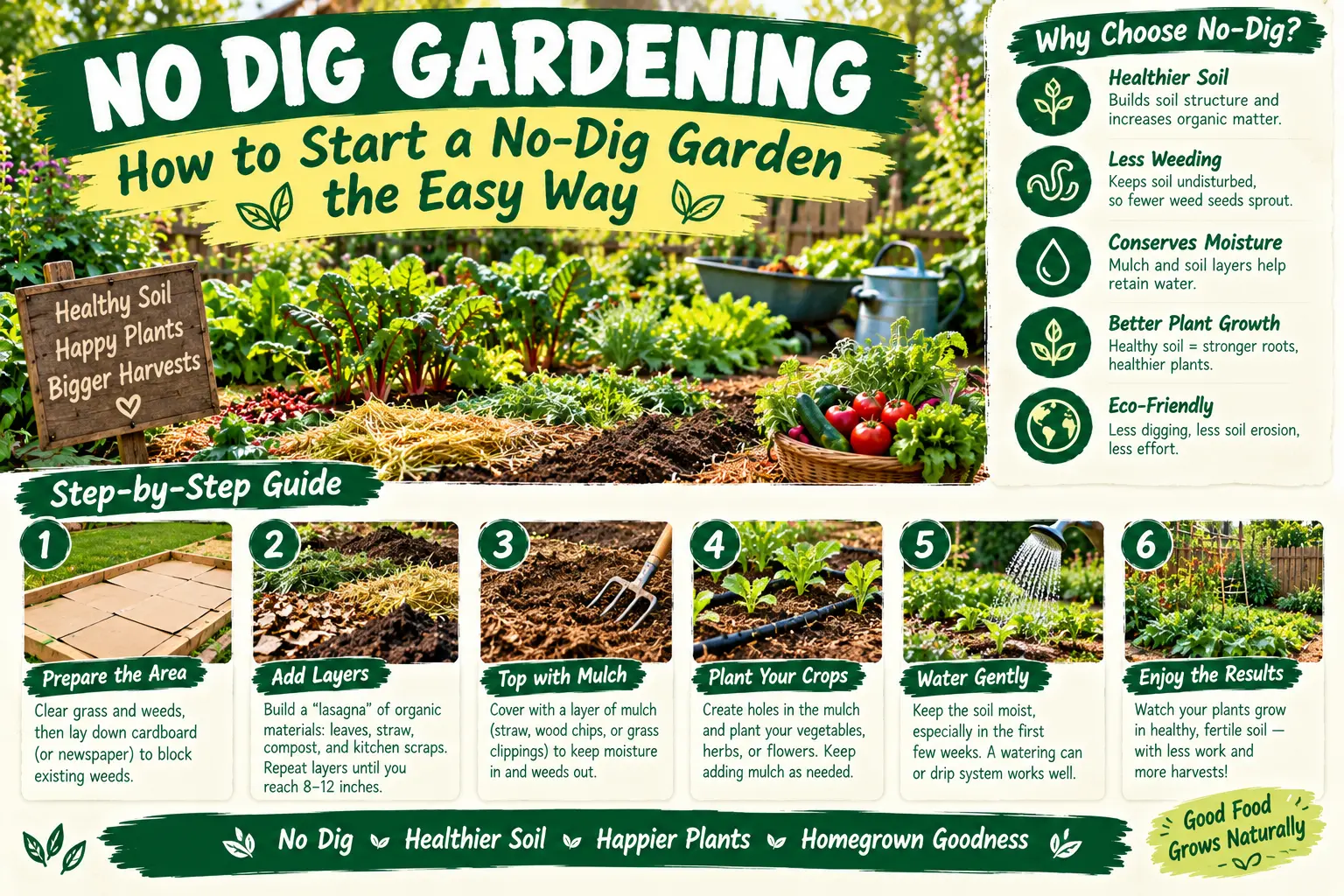
How I Started My First No Dig Garden Bed
My first bed was nothing fancy.
I marked out the area and cut the grass as short as I reasonably could. I didn’t spend hours trying to remove every root and piece of grass.
Then I covered the area with overlapping cardboard.
The cardboard helped block light from reaching the grass and weeds underneath as the bed was established.
After that, I added a layer of finished compost and other appropriate organic material on top.
I made sure the cardboard overlapped well because I learned quickly that weeds are experts at finding tiny gaps.
Then I planted.
That’s it.
No giant pile of dirt. No weekend-long digging marathon.
And I’ll admit, the first few weeks felt strange. I kept looking at the bed thinking I should be doing more.
Apparently I had trained myself to believe gardening wasn’t gardening unless I was exhausted.
Does No Dig Gardening Actually Work?
For me, yes, but there’s a big “it depends” attached to that answer.
No dig gardening isn’t a magic trick that fixes every soil problem overnight.
If your ground is extremely compacted, badly drained, contaminated, or full of persistent perennial weeds, you may need a more careful plan.
Also, the materials you add matter.
Good finished compost can be helpful. Poor-quality material can introduce weed seeds, pests, or other problems.
I’ve learned not to buy the cheapest bulk material just because it saves a few dollars.
I once brought home a load of compost that looked fine at first.
A few weeks later, I had weeds coming up that I definitely didn’t remember planting.
My garden apparently got free seeds with the compost.
Not exactly the bonus I was looking for.
No Dig Gardening and Weeds
Let’s talk about weeds because this is where some no dig articles can make things sound too easy.
No dig doesn’t mean no weeds.
I wish it did.
What I’ve found is that a well-managed mulch or compost layer can make weed management easier, especially when you keep the soil covered.
But weeds are stubborn little things.
You’ll still get them.
When I see a weed while it’s small, I pull it. That’s much easier than waiting until it’s huge and has decided to build a family.
Keeping bare soil covered is one of the simplest habits I’ve developed.
Leaves, appropriate organic mulch, and compost can all play a role depending on the garden setup.
Just don’t pile material directly against plant stems.
Why I Like Compost So Much
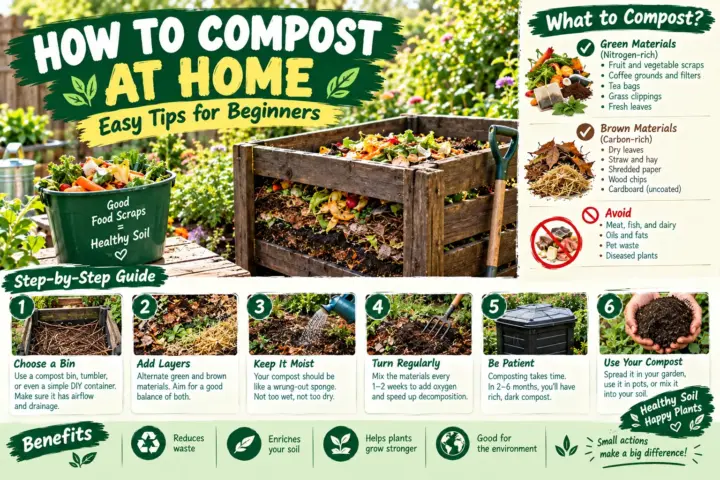
If there’s one thing I recommend learning alongside no dig gardening, it’s composting.
Compost turns organic material into something useful for the garden, and it fits perfectly with my idea of a more self-sufficient homestead.
Kitchen scraps that are suitable for composting, leaves, and other organic materials can become part of the soil-building cycle.
I like thinking of my garden as a system rather than a place where I constantly have to buy things.
Vegetables grow.
Plant material goes back into the compost system when appropriate.
Compost returns to the garden.
And the cycle keeps going.
That’s one of the reasons no dig gardening fits nicely with permaculture ideas for me.
Can You Start a No Dig Garden Over Grass?
Yep. That’s actually one of the situations where I’ve found the method really useful.
If you’re creating a new garden bed over lawn, you can use a light-blocking layer such as cardboard and then build your growing area above it.
The key is doing it properly.
Overlap the cardboard well. Don’t leave big uncovered gaps. Add enough suitable growing material above it for the plants you’re growing.
And don’t use cardboard covered in lots of plastic, glossy coatings, or other materials you don’t want in your garden.
Plain brown cardboard is what I usually look for.
Also, be realistic about what you’re trying to kill. Some aggressive perennial weeds are much harder to deal with than ordinary lawn grass.
One Mistake I Made With No Dig Gardening
I made the compost layer too thin.
I thought, “Well, the soil underneath will eventually do the rest.”
Maybe eventually.
But my plants needed a decent growing environment right away.
Some struggled, especially where the underlying soil was compacted.
The next time, I built the bed more thoughtfully and made sure there was enough suitable growing medium for the plants I wanted to grow.
That’s one thing I like about gardening. A failed bed isn’t really a failure if you remember what went wrong.
No Dig Gardening in a Small Backyard
This method can be especially handy if you have a small urban backyard.
You don’t need a giant field.
You can create one or two small beds and build them gradually.
I’ve also used the same basic idea around raised beds and other areas where I want to improve the growing environment without digging everything up.
For renters or people with temporary garden spaces, containers and portable raised beds can be another option.
Always check local rules if you’re making permanent changes to a rental property.
What About Tilling?
I still understand why people till.
If you’re starting a large garden from an overgrown patch of land, tilling can seem like the fastest way to get started.
And sometimes you need to make significant changes to a site before you can establish a productive garden.
But I don’t think every garden needs to be tilled every year.
That’s the big change for me.
Once I have a garden bed working well, I prefer to disturb the soil as little as practical.
Instead of flipping everything over every spring, I add compost to the surface, pull weeds, plant, harvest, and keep the soil covered.
It saves work, and my back definitely appreciates it.
How I Maintain a No Dig Garden
My routine is actually pretty boring.
And that’s a good thing.
I walk through the garden regularly. I check the plants, pull weeds when they’re small, water when needed, harvest vegetables, and look for pests.
When a bed needs more organic matter, I add some compost or another suitable amendment to the surface.
I don’t dig it deeply into the soil.
I let rain, watering, plant roots, soil organisms, and time do some of that work.
After harvesting, I don’t always clean the bed until it looks completely empty.
Depending on the crop and situation, some plant material can be left or added to the compost system.
Again, I’m not trying to make everything perfect.
I’m trying to make the garden work without making myself crazy.
Can Chickens and No Dig Gardening Work Together?
Yes, but don’t make the mistake I made.
I thought my chickens could wander through a new garden bed and “help” me with pests.
They did help.
They also scratched through my mulch, dug up a few plants, and generally turned my beautiful new bed into a chicken construction project.
Now I keep chickens away from young garden beds unless I’ve deliberately prepared an area for them.
Chicken manure can be valuable when properly composted, but chickens themselves aren’t always the garden helpers we imagine them to be.
Sometimes the best chicken garden tool is a fence.
My Top 5 No Dig Gardening Tips
If you’re trying this method for the first time, here’s what I’d do:
- Start with one bed. Don’t change your entire garden at once.
- Use good materials. Cheap compost can become an expensive headache.
- Keep the soil covered. Don’t leave large areas of bare soil if you can avoid it.
- Pull weeds early. Small weeds are easy. Giant weeds are a workout.
- Give it time. Soil improvement doesn’t happen in one afternoon.
And here’s my unofficial sixth tip: don’t obsess over whether you’re doing it “perfectly.”
Gardening isn’t a laboratory.
Your soil, weather, plants, and available materials are different from mine.
Is No Dig Gardening Good for Beginners?
I think it’s a very practical method for beginners because you don’t need a bunch of specialized equipment.
You can start with cardboard, compost, mulch, seeds or plants, and some basic hand tools.
But don’t expect it to eliminate every gardening problem.
You still need to understand sunlight, watering, plant spacing, pests, and what grows well in your area.
The nice part is that you can learn those things while you’re growing.
No Dig Gardening FAQ
Can I start no dig gardening on a lawn?
Yes. A common approach is to cover the lawn with overlapping cardboard and build a growing layer above it. Make sure the materials are appropriate and that you provide enough growing medium for your crops.
Do I need to dig at all in a no dig garden?
Not regularly. The goal is to minimize soil disturbance, not to ban every shovel from your property. There are situations where digging may still make sense.
How often should I add compost?
There’s no single schedule that works for every garden. I add finished compost when preparing beds and as needed over time rather than dumping a huge amount into the garden every season.
Would I Go Back to Digging Every Year?
Honestly, no.
I’ve spent too many years digging because I thought that’s what a “real” gardener was supposed to do.
Now I look at my garden differently.
I want healthy soil, good vegetables, fewer unnecessary jobs, and a garden that fits into my actual life.
That’s what I like most about no dig gardening. It isn’t about being lazy. It’s about being a little smarter with your effort.
I’m still going to grab the shovel when I need it. I’m still going to make mistakes. And I’m sure I’ll find another garden problem next season that makes me scratch my head for a while.
That’s homesteading.
You learn something, you try it, you mess it up a little, and then you try again.
If you’re thinking about starting a no dig gardening bed, start small. Pick one corner of your backyard, build it slowly, and see what happens.
And if something goes wrong, don’t panic. I’ve probably done the same thing already.
Got a weird soil problem or a no-dig question? Leave a comment. I actually read them, and I’ll do my best to help.