Meta Description:
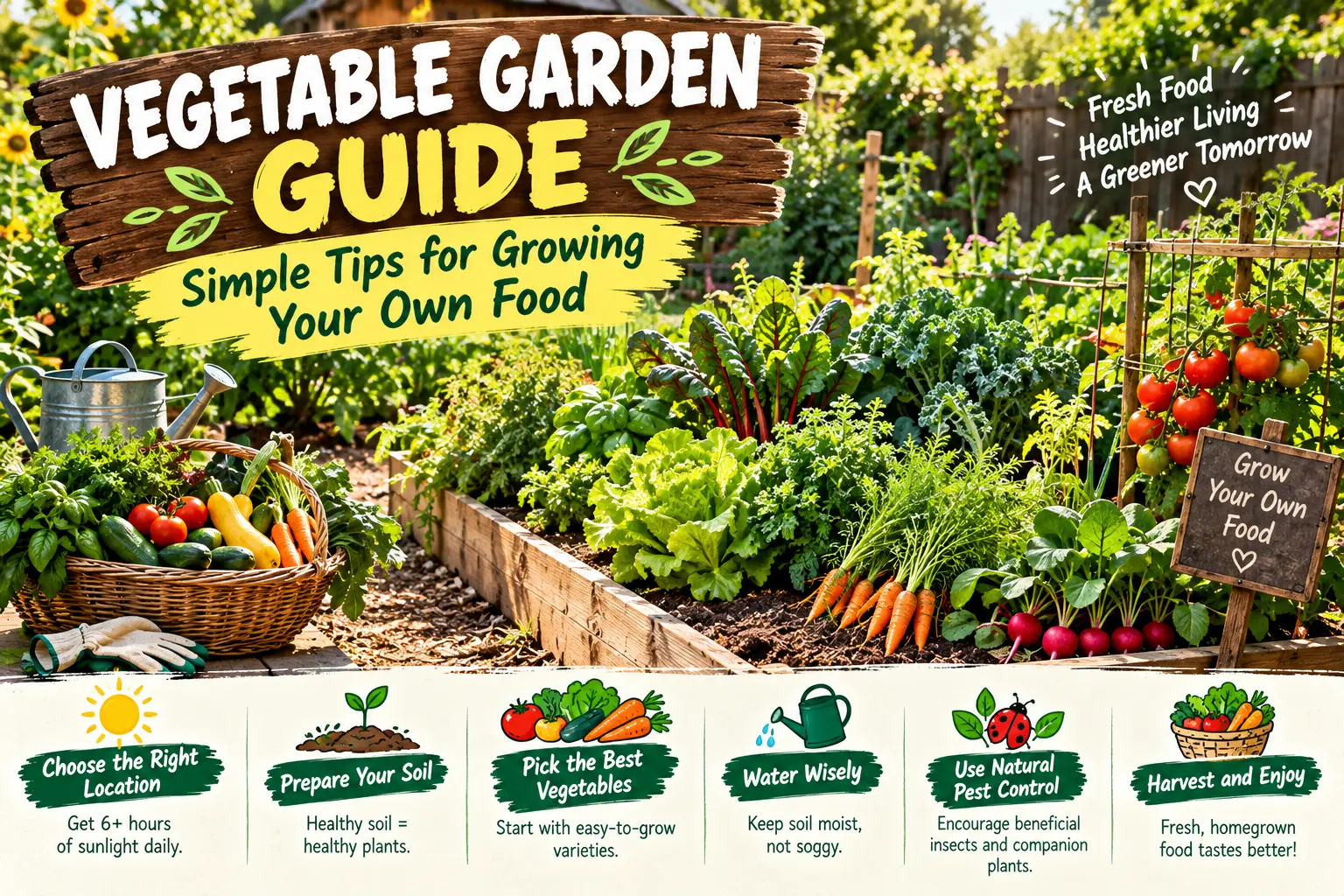
My Vegetable Garden: What I Wish I Knew Before I Started Growing Food
I still remember my first real vegetable garden. I thought I was going to plant a few tomatoes, some peppers, lettuce, and maybe cucumbers. Simple, right? Well… not exactly. Three weeks later, I had weeds everywhere, tomatoes looking sad, cucumbers trying to climb over everything, and one very happy rabbit eating like he paid the mortgage.
That was more than 10 years ago, and I’ve learned a whole lot since then. Some lessons came from books and other homesteaders, but most came from doing something the wrong way first. Trust me, I learned the hard way.
These days, my vegetable garden is much simpler. I don’t try to grow everything. I grow the vegetables my family actually eats, I use compost whenever I can, and I pay much more attention to where I plant things.
If you’re starting a vegetable garden for the first time, lemme show you what has worked for me, what didn’t, and a few mistakes I’d really like you to avoid.
Start Your Vegetable Garden Smaller Than You Think
This is probably my biggest piece of advice.
When you first get excited about gardening, it’s easy to look at seed packets and think, “I’ll grow all of this!” That’s exactly what I did. Beans, carrots, corn, tomatoes, squash, cucumbers, peppers, onions, potatoes, lettuce… I basically tried to turn my backyard into a small farm in one weekend.
Bad idea.
A big garden sounds great until you’re standing in it in July pulling weeds while sweating like crazy.
For a beginner, I’d rather see you grow a small garden that you can actually take care of. A 10-by-10-foot garden can produce a surprising amount of food when you plan it well.
You can also start with containers if you have a small backyard, patio, balcony, or urban homestead. Tomatoes, peppers, lettuce, herbs, green onions, and even some smaller varieties of cucumbers can grow nicely in containers.
Where Should You Put a Vegetable Garden?
Here’s something I wish I’d paid more attention to when I started: sunlight.
I used to choose garden spots based on where they looked nice. That’s backwards.
Plants don’t care if your garden looks pretty from the kitchen window. They care about sunlight, water, soil, and temperature.
Most vegetables that produce fruit, like tomatoes, peppers, cucumbers, and squash, need plenty of direct sunlight. Before building anything, watch your backyard for a full day if you can.
Walk around in the morning, afternoon, and evening. Notice where the shadows move.
I’ve planted tomatoes in a spot that looked sunny in the morning, only to discover that a tree blocked the area for most of the afternoon. The plants survived, but they weren’t nearly as productive as the ones getting better light.
So don’t just guess. Watch your backyard first.
What Vegetables Should You Grow First?
Don’t start with the vegetables that look impressive on YouTube. Start with vegetables you’ll actually eat.
That sounds obvious, but you’d be surprised how many gardeners grow things because they think they’re supposed to.
For my garden, I usually keep things pretty practical:
- Tomatoes
- Peppers
- Cucumbers
- Green beans
- Lettuce and salad greens
- Carrots
- Onions
- Herbs
Tomatoes are especially useful if you like food preservation. A good harvest can become tomato sauce, salsa, canned tomatoes, or freezer meals.
Green beans are another favorite of mine because they don’t usually require a ton of work. And if you grow more than you can eat fresh, you can preserve them for later.
Don’t Ignore Your Soil
I learned this one after having a garden that looked like it was growing in a pile of bricks.
I kept adding seeds. Nothing much happened.
Then I finally started paying attention to the soil.
Good soil makes gardening so much easier. You don’t need some fancy imported soil mixture either. Start by improving what you already have with organic matter and compost.
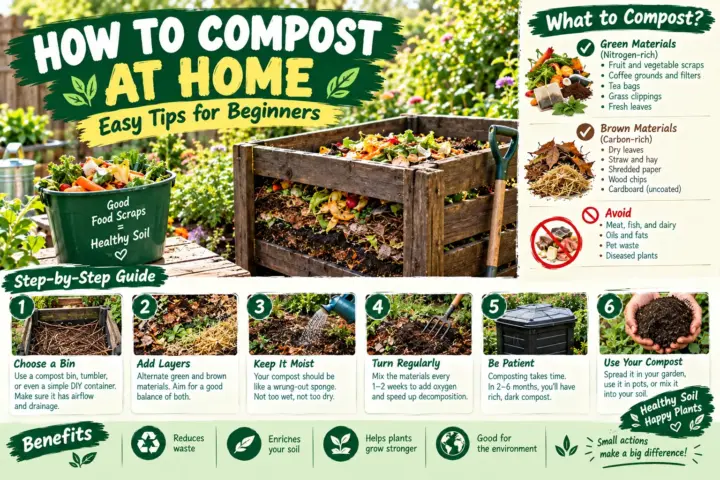
Homemade compost is one of my favorite things on the homestead because it turns stuff we’d normally throw away into something useful.
Vegetable scraps, leaves, grass clippings, and other suitable organic material can become valuable compost when managed properly.
I like adding finished compost to my garden before planting and again when needed during the growing season.
One warning though: don’t dump huge amounts of fresh compost or unfinished material directly around young plants. I’ve done that, and let’s just say the plants weren’t impressed.
My Simple Vegetable Garden Setup
I’ve tried raised beds, containers, rows, and a few homemade setups that looked much better in my head than they did in the backyard.
Today, I like keeping things simple.
For a basic backyard vegetable garden, here’s the setup I’d use:
- Choose a sunny location.
- Remove grass and large weeds.
- Improve the soil with finished compost.
- Mark simple planting areas.
- Leave enough space to walk between plants.
- Add mulch around plants after they’re established.
- Set up water before the garden gets huge.
That last one matters more than people think.
I once planted a garden way too far from the outdoor faucet. Everything looked fantastic in May. By July, I was dragging a hose across the yard every evening.
Not fun.
If you can make watering easy, do it. You’ll thank yourself later.
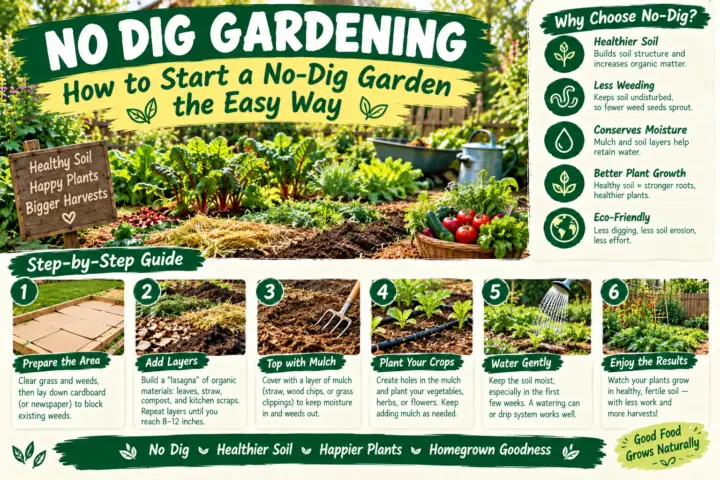
Mulch Saved Me From Endless Weeding
I’ll be honest. I don’t enjoy pulling weeds.
Some people say gardening is relaxing. Those people have never spent two hours pulling weeds in August.
Mulch has made a huge difference for me.
Once my plants are established, I use an appropriate organic mulch around them. It helps cover bare soil, can reduce weed growth, and helps the soil hold moisture.
Just don’t pile mulch directly against plant stems. Leave a little space.
And always make sure whatever material you’re using is suitable for the garden. I used to think every piece of organic material was automatically good for plants. Nope.
Don’t Plant Your Vegetable Garden Too Close Together
This was another beginner mistake of mine.
I wanted maximum production, so I planted everything close together.
It looked great for about two weeks.
Then the plants got bigger and the garden turned into a jungle.
When vegetables are packed too tightly, it becomes harder to walk through the garden, water properly, inspect plants, and harvest. Dense growth can also create conditions where some plant diseases spread more easily.
Read the spacing information on your seed packets. I know it isn’t exciting, but it can save you a lot of trouble later.
And remember, bigger isn’t always better. A healthy plant with enough room can be much easier to manage than twenty crowded plants fighting for space.
Use Trellises for Cucumbers and Other Climbers
Here’s one change that made my small backyard garden much better: growing vertically.
Cucumbers don’t have to take over the ground. Give them a strong trellis and let them climb.
You can also use vertical support for some beans, peas, and other climbing plants.
This is especially helpful if you’re working with a small urban garden or backyard.
One year, I didn’t support my cucumber plants early enough. They spread everywhere, across the path and into another bed. Every time I walked through the garden I stepped on vines.
Now I install the support before the plants get big.
It’s a small thing, but it makes a huge difference.
Keep an Eye Out for Garden Pests
My garden seems to have a better reputation with insects than I do.
Aphids, caterpillars, beetles, slugs, rabbits… something always wants a free meal.
The important thing is not to panic the first time you see a bug.
Walk through your garden regularly. Look underneath leaves. Check new growth. Look for holes, yellowing leaves, damaged stems, or plants that suddenly look different.
Sometimes you can catch a problem early before it becomes a big headache.
I also try not to destroy every insect I see. Some insects are helpful, and a healthy garden should have some life in it.
My goal isn’t a perfectly sterile garden. It’s a productive garden that stays reasonably balanced.
Water Your Vegetable Garden the Smart Way
For years, I thought more water meant happier plants.
Not always.
Too little water is obviously a problem, but constantly keeping the soil soaking wet can create its own problems.
I prefer checking the soil and paying attention to what the plants are telling me rather than watering automatically just because it’s Tuesday.
Watering in the morning is often easier for me because the garden has time to dry as the day goes on.
And water the soil around the plant instead of constantly spraying the leaves.
If you’re building an off-grid or more self-sufficient homestead, you can also look into rainwater harvesting where legal and appropriate for your area. Just make sure you’re following local rules and using collected water safely for its intended purpose.
Plant Something You Can Preserve
This is where gardening and homesteading really come together for me.
Growing food is great, but preserving food makes a garden even more useful.
When my tomato plants start producing more than we can eat, I don’t complain. That’s a good problem to have.
We can use extra vegetables fresh, freeze some, dehydrate suitable foods, or preserve them using safe tested methods.
If you’re interested in canning, please use tested recipes and current food-safety guidance. Canning isn’t the place where I recommend making up your own recipe.
I’ve made plenty of mistakes in the garden. Food safety isn’t one I want to gamble with.
What About Chickens in a Vegetable Garden?
Chickens and vegetable gardens can work together, but not when you let the chickens loose in a young garden.
Trust me.
One afternoon I thought my chickens would enjoy helping me clean up the garden.
They did.
They also enjoyed destroying half of it.
Chickens love scratching through soil, eating insects, and looking for anything interesting. That’s great in the right place, but young vegetables don’t stand much of a chance.
I prefer keeping chickens out of active planting areas and letting them help elsewhere when appropriate. Their manure can become useful compost after proper handling and composting.
My 5 Rules for a Better Vegetable Garden
If you don’t remember anything else from this article, remember these five things:
- Start small. You can always expand next season.
- Watch the sunlight. Don’t guess where your garden should go.
- Build your soil. Compost can become one of your best garden tools.
- Make watering easy. A garden that’s hard to water becomes a neglected garden.
- Grow food you’ll actually eat. Don’t waste your time growing vegetables nobody in your house wants.
And here’s a bonus rule from an old gardener who’s made plenty of mistakes: don’t compare your garden to somebody else’s.
Somebody online will always have bigger tomatoes, cleaner beds, better pumpkins, or a garden that looks like it belongs in a magazine.
Good for them.
Your garden has a different soil, climate, amount of sunlight, pests, budget, and amount of free time. Learn what works in your own backyard.
Can I Start a Vegetable Garden With Very Little Space?
Absolutely. You don’t need acres of land.
Start with containers, grow bags, raised beds, or a small patch of backyard soil. I’ve seen people grow a surprising amount of food in very small spaces.
If you’re in an apartment or urban area, focus on vegetables that work well in containers and choose varieties suited to limited space.
How Much Work Does a Vegetable Garden Really Take?
That depends on the size of the garden.
A small garden can be pretty manageable if you stay on top of watering, weeds, pests, and harvesting. The problem comes when you plant more than you have time to care for.
That’s another reason I keep telling beginners to start smaller.
What’s the Best Vegetable Garden for a Beginner?
The best garden is one you can actually maintain.
I’d start with a few vegetables you already eat. Maybe tomatoes, peppers, lettuce, cucumbers, green beans, or herbs. Learn how they behave in your yard, then add more next season.
You don’t have to become self-sufficient in one summer.
That’s not how it worked for me either.
Final Thoughts From My Backyard
My vegetable garden has changed a lot over the years. The funny thing is, I’ve actually learned to grow more food by doing less unnecessary work.
I stopped trying to grow everything. I stopped planting in bad locations. I started improving the soil, using mulch, growing vertically, and choosing vegetables that fit our lifestyle.
And I stopped expecting every season to be perfect.
Some years the tomatoes are amazing. Other years the bugs seem to win. Sometimes the cucumbers go crazy and sometimes they barely produce anything. That’s gardening.
If you’re starting your first vegetable garden this year, don’t wait until you know everything. Pick a small sunny spot, plant a few things you actually like to eat, and learn as you go.
That’s how I learned, and honestly, that’s still how I’m learning.
If you get stuck or something strange starts happening in your garden, ask me. I’ve probably already made the same mistake. And if I haven’t, well… maybe we’ll figure it out together.