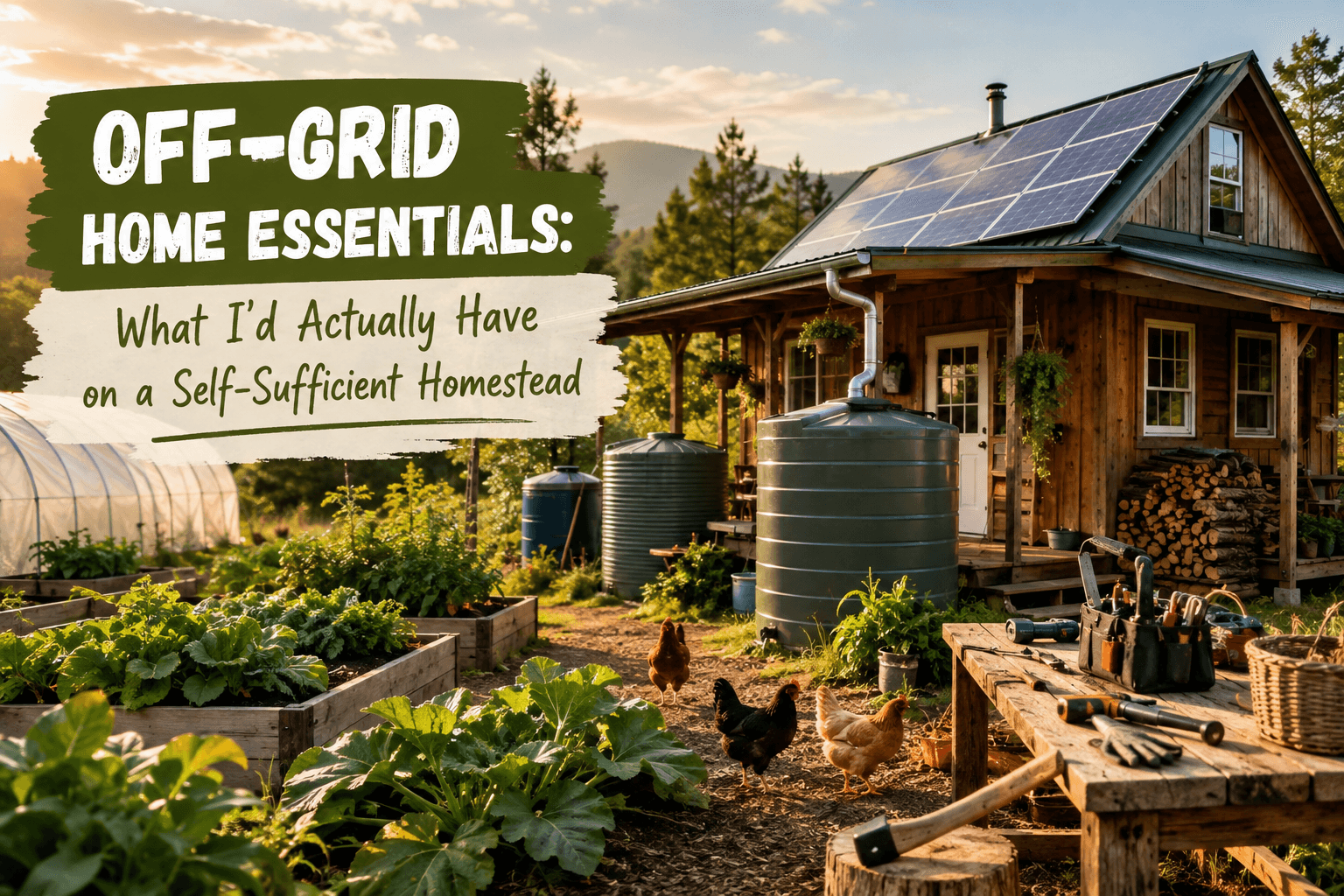
Off-grid home essentials aren’t really about buying a pile of expensive equipment and calling yourself self-sufficient. I learned that one the hard way.
When I first got interested in homesteading, I thought the big stuff was everything. Solar panels. Huge water tanks. Fancy greenhouse. A giant workshop. It all looked great in pictures.
Then I realized something pretty funny.
A homestead can have all the fancy equipment in the world and still be a pain to live on if you can’t get clean water, grow some food, stay warm, or fix a broken pump.
After more than 10 years of playing around with backyard farming, food preservation, composting, chickens, and permaculture ideas, I’ve changed my thinking. I don’t want complicated systems. I want simple systems that work when I need them.
So, if you’re planning an off-grid home, here’s what I’d put on my list.
My Off-Grid Home Essentials at a Glance
Here are the things I think are worth thinking about first:
- Reliable water collection and storage
- A way to purify drinking water
- Solar power and battery backup
- Efficient heating
- A productive garden
- Greenhouse or protected growing space
- Chickens or other suitable livestock
- Food storage
- Food preservation equipment
- Composting system
- Root cellar or cool storage
- Firewood storage
- Basic workshop and repair tools
- Good fencing
- Backup supplies and spare parts
You don’t need to build all of these at once. Actually, please don’t. That’s a good way to empty your bank account and overwhelm yourself.
Let’s go through the important stuff.
1. Water Comes Before Almost Everything


6
If I could give someone starting an off-grid homestead only one piece of advice, I’d say: figure out your water situation first.
I’ve watched people spend weeks planning gardens before asking where the water is going to come from.
That’s backwards.
You can go without internet for a while. You can eat simple meals. You can live without a fancy workshop.
But water?
Nope.
Depending on your property and local regulations, you might use a well, spring, rainwater collection, or a combination of sources.
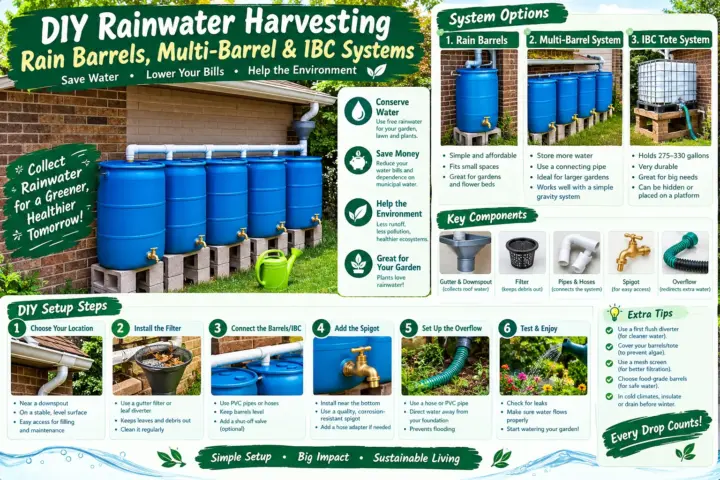
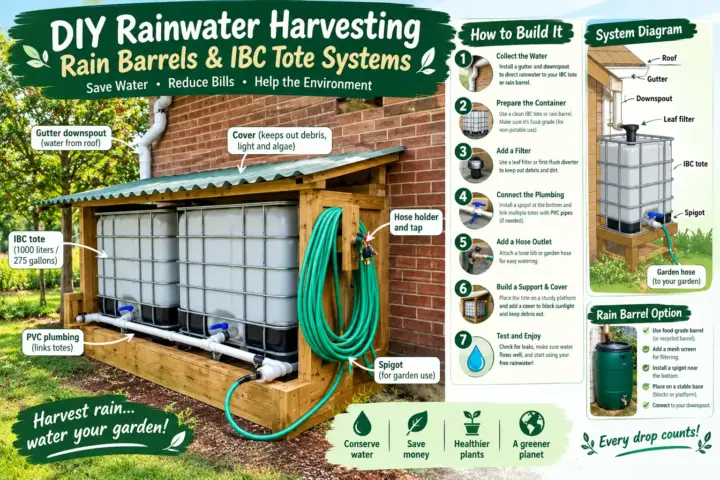
Rainwater collection can be especially useful for gardens and other non-drinking purposes. A basic setup might include gutters, downspouts, a first-flush device, storage tanks, filtration and a pump.
And don’t forget overflow.
I once watched a rain barrel overflow right beside a garden bed and wash half the soil away. Not my finest homesteading moment.
2. Don’t Forget Drinking Water
Collecting water and having safe drinking water are two different things.
If you’re using rainwater, well water, or another private source, you’ll need a treatment approach that’s appropriate for that source and your local conditions.
This is one area where I don’t like guessing.
Get your water tested when appropriate, understand what contaminants are possible, and choose a treatment system based on the actual water—not what some random guy on YouTube says.
A simple water system that’s understood and maintained is much better than a complicated one you don’t know how to repair.
3. Solar Power Is Great—Until You Oversize or Undersize It


7
Solar power is one of my favorite modern tools for an off-grid lifestyle.
But here’s where people get carried away.
They start with the solar panels instead of starting with their electricity needs.
I’d do it the other way around.
Make a list of everything you actually need to run:
- Refrigerator
- Water pump
- Lights
- Phone chargers
- Internet equipment
- Freezer
- Small appliances
- Power tools
Then estimate how much electricity those things use.
Remember, batteries, inverter capacity, wiring, safety equipment and maintenance matter too.
And I’d always think about backup power.
Cloudy weather doesn’t care about your weekend plans.
4. A Good Heating System Is an Off-Grid Necessity


6
I love a wood stove. There’s something about sitting beside one after working outside all day.
But heating isn’t just about the stove.
The building itself matters.
Good insulation, properly sealed windows and doors, and sensible building design can make a massive difference in how much heat you need.
If you’re using wood, have a safe storage area and prepare your fuel well ahead of winter.
And please don’t treat wood-burning appliances like a DIY experiment. Follow local requirements and manufacturer instructions. Chimney fires aren’t the kind of homestead adventure anybody wants.
5. Grow Some of Your Own Food


7
This is where homesteading gets really fun.
You don’t need 20 acres to grow food.
I’ve grown plenty of vegetables in raised beds, containers and small backyard spaces.
Start with vegetables you already eat.
That’s my biggest tip.
Don’t grow something just because Instagram says it’s a homesteading crop.
If your family eats tomatoes every week, grow tomatoes.
If everybody loves potatoes, grow potatoes.
If nobody likes turnips, don’t dedicate half the garden to turnips just because they’re easy to grow.
You can add herbs, berries, fruit trees and perennial plants as you gain experience.
6. A Greenhouse Can Stretch Your Growing Season


7
A greenhouse isn’t absolutely necessary, but I really like having one.
It’s especially useful for starting seedlings and extending the growing season.
I’ve made the mistake of starting tomatoes too early, thinking I was getting ahead.
I wasn’t.
I was just creating a jungle of tomato plants in my house.
A greenhouse gives you more control over young plants and can make it easier to grow greens and other crops when outdoor conditions aren’t ideal.
7. Chickens Give You More Than Eggs

7
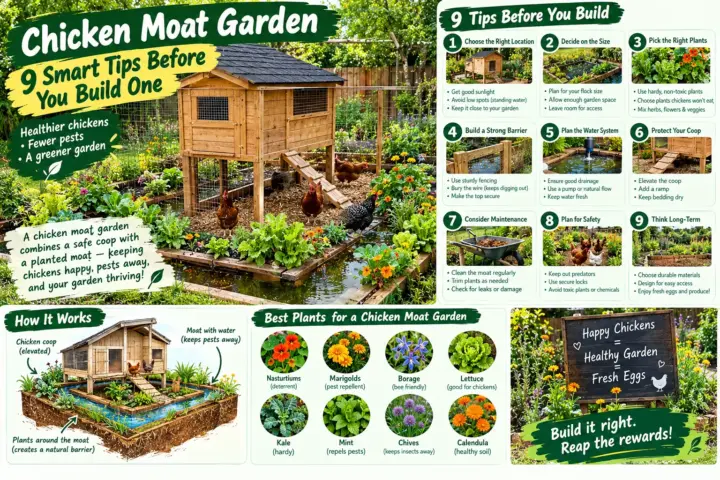
A small flock of chickens can be a great addition to a homestead if local rules and your setup allow it.
You get eggs, manure for composting, and the entertainment of watching chickens behave like tiny dinosaurs.
But don’t believe anyone who tells you chickens are completely easy.
They need clean water, suitable feed, secure housing and protection from predators.
And predators are clever.
I once thought my chicken run was secure. The chickens disagreed.
Build the coop stronger than you think you need.
8. Food Storage Is Just as Important as Growing Food
Here’s something that took me a while to understand:
A harvest isn’t really a harvest if you can’t keep it.
If you grow 50 pounds of tomatoes and 30 pounds rot before you eat them, that’s not much of a victory.
A good pantry is one of the simplest off-grid home essentials.
I like keeping shelves organized with foods such as:
- Rice
- Beans
- Pasta
- Flour
- Oats
- Salt
- Sugar
- Canned foods
- Dehydrated foods
- Home-preserved vegetables
Use older food first.
Label things.
Don’t ask yourself six months later, “Is this jar from last year or the year before?”
Trust me, that’s not a fun guessing game.
9. Learn Food Preservation


8
If you’re serious about self-sufficient living, learn at least a few food preservation methods.
Canning, dehydrating, fermenting, freezing and dry storage can all have a place on a homestead.
My favorite thing about preserving food is opening a jar of something you grew months earlier.
There’s just a different feeling to it.
But here’s my serious advice: food safety comes first.
Use tested preservation recipes and methods, especially for low-acid foods and pressure canning. Don’t change processing times because Aunt Susan on Facebook said it worked for her.
Food safety isn’t the place for experimentation.
10. Build a Compost System


6
Composting is one of the cheapest ways to improve a garden.
Kitchen scraps, leaves, grass clippings and suitable garden waste can become useful organic matter.
I keep my compost system simple.
You don’t need a fancy rotating plastic machine unless you want one.
A basic compost area can work just fine when you manage the materials properly.
The goal is to create a cycle:
Kitchen → compost → soil → garden → kitchen
That’s the kind of thing I love about permaculture.
You start seeing “waste” as a resource.
11. A Root Cellar or Cool Storage Area


7
Before everybody had refrigerators, people had other clever ways to store food.
A root cellar is one of them.
Depending on your climate and design, cool storage can be useful for crops like potatoes, carrots, beets, turnips and some varieties of squash.
You don’t necessarily need to dig a giant underground room.
Even a properly designed cool storage area can be useful.
Just pay attention to temperature, humidity, ventilation and pest control.
12. Don’t Underestimate a Workshop


6
This might be my favorite item on the whole list.
Things break.
They always break when you’re busy.
A workshop gives you a place to repair garden tools, build shelves, fix fencing, maintain equipment and make little DIY projects.
You don’t need every tool sold at the hardware store.
I’d start with:
- Good drill
- Screwdrivers
- Pliers
- Wrenches
- Hammer
- Hand saw
- Tape measure
- Clamps
- Utility knife
- Basic fasteners
Then buy tools as you actually need them.
I’ve bought plenty of tools that looked useful in the store and spent the next five years wondering why I owned them.
13. Store Firewood Properly
If wood is part of your heating or cooking plan, give it a proper home.
A woodshed should protect your firewood from excessive rain and snow while allowing air to circulate.
Don’t wait until the first cold weekend to start collecting wood.
That’s when everybody else suddenly remembers they need firewood too.
Prepare early.
Split it.
Stack it properly.
Keep enough on hand for your climate and heating needs.
14. Fencing Is an Off-Grid Essential Nobody Talks About


6
You can have the best vegetable garden in the world.
Then a deer walks through it at 2 a.m.
Ask me how I know.
Good fencing protects your garden, chickens, fruit trees and other parts of your property.
Think about the animals in your area before choosing your fence.
A fence that keeps chickens inside might do absolutely nothing against deer or other wildlife.
Also keep spare fencing materials around. A roll of wire and some posts can save you a lot of frustration.
15. Keep Spare Parts and Learn Basic Repairs
This is one of those boring things that becomes incredibly important.
Keep replacement parts for the equipment you depend on most.
Things like:
- Fuses
- Hose fittings
- Pipe connectors
- Screws
- Nuts and bolts
- Filters
- Electrical supplies
- Garden irrigation parts
- Extra hand tools
And learn how your systems work.
You don’t need to become an electrician, plumber and mechanic overnight.
But knowing how to shut something down safely, identify a basic problem and make a simple repair can make off-grid life much easier.
How I’d Build an Off-Grid Home From Scratch
If I were starting over tomorrow, I wouldn’t try to do everything in one year.
I’d go in this order.
First: Water
Figure out where your water comes from and how you’re going to store and treat it.
Second: Shelter and heating
Make the home efficient before worrying about gadgets.
Third: Food
Start a garden. Add fruit trees and chickens later if they make sense.
Fourth: Storage
Build your pantry and learn to preserve the food you’re growing.
Fifth: Energy
Calculate your actual electricity needs before buying a solar system.
Sixth: Repairs
Set up a workshop and start learning basic maintenance.
That order has saved me a lot of wasted money.
What You Don’t Need Right Away
Here’s where I’m going to disagree with some homesteading videos online.
You don’t need to buy everything at once.
You probably don’t need:
- A huge greenhouse
- A massive solar system
- Every garden tool ever made
- Expensive livestock equipment
- A giant root cellar
- Fancy automation
- A tractor on day one
Start small.
Grow a garden.
Learn what works in your soil.
Preserve some food.
Collect rainwater where appropriate.
Learn a few repair skills.
Then expand.
Your property will tell you what you need.
FAQ About Off-Grid Home Essentials
What are the most important off-grid home essentials?
For me, the first priorities are water, shelter, heating, food production, energy, food storage and basic repair equipment. Everything else can be built around those.
Can I start an off-grid lifestyle on a small property?
Heck yes. You don’t need a huge farm. A small backyard can support container gardening, raised beds, composting, rainwater collection where permitted, food preservation and even chickens in some areas.
Is solar power necessary for an off-grid home?
Not always. But solar is a very practical option for many properties. The right system depends on your electricity needs, location, budget and available alternatives.
My Biggest Lesson After 10+ Years
The funny thing about homesteading is that the more I learn, the less interested I am in complicated setups.
I want things I can understand.
I want systems I can repair.
I want food growing in the garden, jars in the pantry, compost going back into the soil and enough water stored to get through a dry spell.
That’s what off-grid home essentials really mean to me.
It’s not about creating some perfect Instagram homestead.
It’s about making your home a little more capable every year.
Start with one thing this weekend. Maybe build a compost bin. Plant a few vegetables. Organize your pantry. Research your water options. Learn how your solar system works.
Then do another thing next month.
That’s how you build a self-sufficient life without losing your mind or your entire paycheck.
Got a weird off-grid question? Leave it in the comments. I’ve probably messed it up before too.
Related Keywords:
off-grid living, self-sufficient home, off-grid homestead, homesteading essentials, solar power, rainwater harvesting, food storage, food preservation, backyard farming, greenhouse, chicken coop, composting, root cellar, DIY homestead, sustainable living.