The first time I tried growing celery in a pot, I honestly thought it would be easy.
I had seen celery growing from kitchen scraps, so I figured growing a whole plant from seed couldn’t be that complicated.
Well… my first attempt was pretty sad.
The stalks were thin, the plants dried out faster than I expected, and they never looked anything like the big bunches I was used to buying at the grocery store.
I almost gave up.
Then I realized something important about how to grow celery in a pot.
Celery likes things I wasn’t giving it enough of: moisture, rich soil, cool weather, and regular feeding.
Once I fixed those things, growing celery in containers got a whole lot easier.
And the best part?
You don’t have to harvest the entire plant at once.
With the right approach, you can pick a few stalks when you need them and keep the plant growing.
That’s what I want to show you here.
No fancy hydroponic system. No expensive equipment.
Just the simple container method I’ve come back to over the years.
Can You Really Grow Celery in a Pot?
Absolutely.
Celery is actually a pretty good container crop as long as you give it enough room and don’t let the soil dry out.
The biggest advantage of a pot is that you can control the growing environment.
If your backyard soil is heavy clay, rocky, or full of weeds, you don’t have to fight with it.
Fill a container with good growing mix and start fresh.
You can also move the pot if the weather gets too hot.
That matters because celery generally prefers cooler growing conditions.
I’ve had much better results growing it during the cooler parts of the season rather than trying to force it through the hottest summer weather.
What Size Pot Does Celery Need?
Don’t put celery in a tiny flower pot.
I’ve tried using small containers for vegetables before, and it usually ends with me watering them three times a day.
For celery, I like a container that’s at least 10–12 inches deep, with enough width to grow several plants without crowding them too much.
A large bucket, grow bag, planter, or similar container can work well.
Just make sure it has drainage holes.
Celery likes moisture, but that doesn’t mean the roots should sit in stagnant water.
There’s a difference.
You want moist soil, not a swamp.
My Favorite Container Setup
If I have the space, I like using a wider container rather than a very deep narrow one.
Something around 12 inches deep and 12–18 inches wide gives you plenty of room for several celery plants.
And here’s another little trick I learned:
Don’t fill the container all the way to the top.
Leave a couple inches of space so you can water without washing soil over the sides.
It sounds obvious, but I forgot it once.
Water everywhere.
Soil everywhere.
My wife was not impressed.
Start Celery From Seed or Kitchen Scraps?
You can do either.
I’ve done both.
Growing Celery From Seed
Growing celery from seed takes more patience.
The seeds are tiny and can be slow to germinate.
I like starting them indoors in small trays before moving the seedlings into their final containers.
Don’t bury the seeds deeply.
Celery seeds need light to germinate, so I gently press them into the surface of the growing mix and keep them consistently moist.
This is where I used to mess up.
I’d let the seed tray dry out for a day and wonder why nothing happened.
Celery doesn’t appreciate that kind of treatment.
Keep the growing medium evenly moist while the seeds are getting started.
Growing Celery From the Grocery Store
This is a fun little experiment.
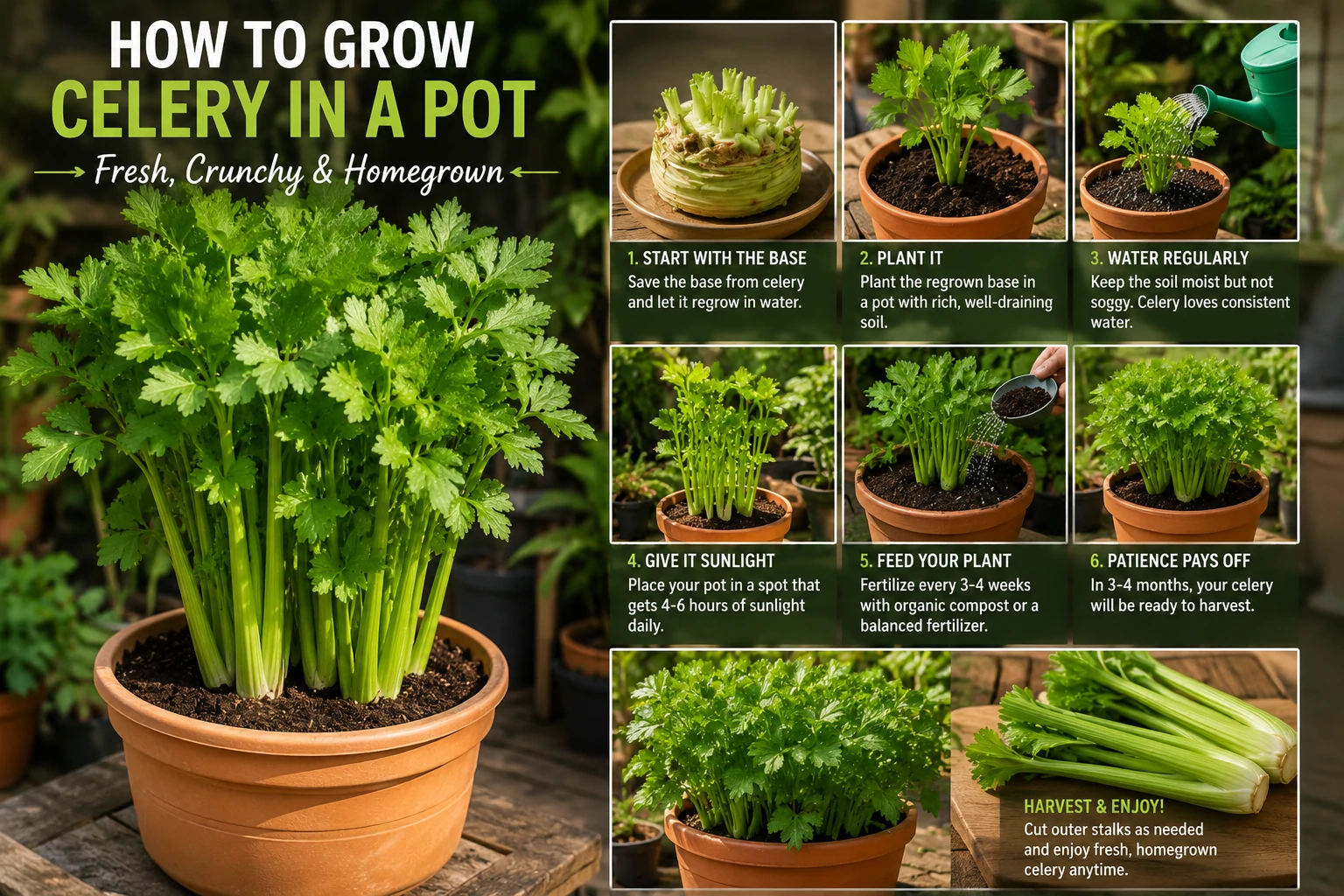
Save the bottom part of a bunch of celery after you’ve cut off the stalks.
Place the base in a shallow dish with a little water.
Put it somewhere bright.
After several days, you may notice new leaves developing in the center.
Once roots begin forming, you can transplant it into a pot with good-quality soil.
I’ve done this several times.
It’s a great project if you’ve got kids because they can actually see new growth appearing from something that was headed for the compost pile.
But here’s the important part:
Regrowing celery from scraps isn’t exactly the same as growing a full, large bunch of celery.
You may get fresh leafy growth and new stalks, but if you want a reliable harvest, starting with quality seed or transplants is usually the better approach.
The Soil Makes a Huge Difference
If there’s one thing I’d tell a beginner about container celery, it’s this:
Don’t use terrible soil.
Celery is a hungry plant.
It likes fertile soil with plenty of organic matter.
I usually start with a good-quality container mix and add some finished compost.
You want the mix to hold moisture while still draining well.
Heavy garden dirt can compact inside a pot and make watering difficult.
I’ve made the mistake of filling containers with straight backyard soil.
The first few days looked fine.
Then the soil hardened up like a brick.
The celery wasn’t happy.
Neither was I.
Celery Needs Consistent Moisture
This is probably the biggest lesson I learned.
Celery doesn’t like being allowed to dry out.
If the soil goes completely dry and then you soak it, the plants can struggle.
I check the moisture regularly, especially when the weather is warm or windy.
If the top layer starts drying out, I water.
And I water deeply enough that the whole root area gets moisture.
The goal is consistently moist soil.
Not bone dry one day and swimming the next.
Mulch Can Help
A thin layer of organic mulch on top of the soil can help slow evaporation.
You can use things like:
- Straw
- Shredded leaves
- Fine compost
- Untreated grass clippings in moderation
Don’t pile mulch directly against the stems.
Leave a little space around the base of the plant.
Where Should You Put Your Celery Pot?
This is where container gardening gives you a nice advantage.
Celery likes good light but generally performs best in cooler conditions.
I look for a bright location with morning sun and some protection from intense afternoon heat when temperatures are high.
If your summers are hot, afternoon shade can actually be helpful.
I’ve made the mistake of putting containers in the hottest part of the backyard because that’s where the sun looked best.
The soil dried out incredibly fast.
The plants looked miserable.
Moving them to a spot with some afternoon protection made a noticeable difference.
How Far Apart Should You Plant Celery?
If you want big stalks, don’t cram the plants together.
Give each plant enough space for air circulation and growth.
Around 6–8 inches between plants is a reasonable starting point for container growing, depending on the variety and the size of your container.
If you’re growing smaller celery varieties, you may be able to plant a little closer.
But don’t try to squeeze 20 plants into one small pot just because the seedlings look tiny.
They won’t stay tiny.
That’s another lesson I learned from experience.
Feed Your Celery Regularly
Container plants don’t have access to a huge amount of soil.
That means nutrients can run out faster.
Celery is a heavy feeder, so I like starting with nutrient-rich growing mix and compost, then giving it an appropriate vegetable fertilizer during the growing season.
Follow the fertilizer label rather than guessing.
I used to think more fertilizer meant bigger vegetables.
It doesn’t always work that way.
Sometimes you just end up wasting fertilizer and stressing the plant.
A little regular feeding is better than dumping a mountain of fertilizer into the pot.
How to Grow Celery in a Pot for a Continuous Harvest
This is the part I really like.
You don’t necessarily have to pull the whole plant when you’re ready to harvest.
Instead, harvest the outer stalks first.
Leave the younger stalks in the center so the plant can continue producing.
That’s how I get a longer harvest from each container.
I walk outside, grab a few stalks for dinner, and leave the rest alone.
Need celery for soup?
Cut a few.
Making stuffing?
Cut a few.
Making chicken salad?
You know what to do.
This is much better than harvesting the entire plant just because you need three stalks.
My Harvesting Method
Here’s what I usually do.
I start harvesting once the stalks are large enough to actually be useful.
Then I take the outer stalks first.
I use a clean knife or scissors and cut close to the base.
I avoid damaging the younger center growth.
Then I leave the plant alone and let it continue growing.
As long as the plant remains healthy and the growing conditions are good, you can keep harvesting gradually.
It won’t produce forever, of course.
Eventually the plant will slow down or bolt, especially as temperatures rise.
That’s when I start another batch.
Succession Planting Is the Real Trick
If you want continuous celery harvests, don’t rely on one container.
This was another thing I learned after a few seasons.
Instead of planting everything at the same time, start new plants at intervals.
For example:
Container #1: early crop
Container #2: planted a few weeks later
Container #3: another few weeks later
Now you have plants at different stages.
When the first container starts getting old or bolts, the next one is coming along.
That’s much more reliable than expecting one celery plant to feed you forever.
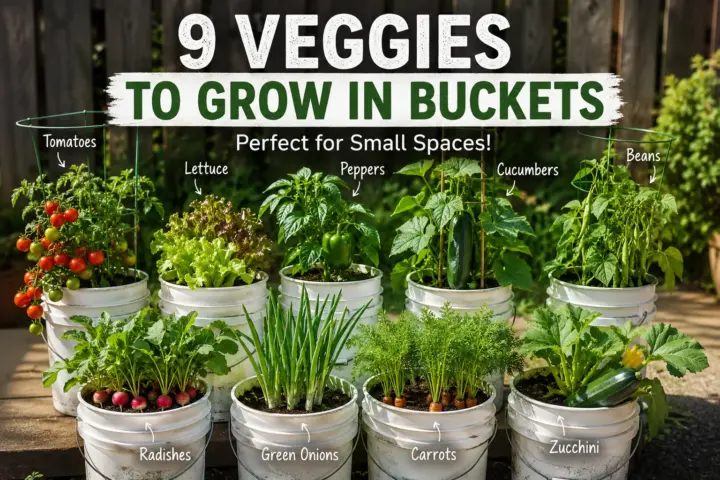
I use this same idea with lettuce, green onions, radishes, and other quick crops.
Can You Grow Celery From Scraps Forever?
Not really.
This is one of those gardening claims that sounds better online than it works in real life.
You can regrow celery from the base and get new growth.
But eventually the plant needs nutrients and proper growing conditions to continue producing well.
If you want a serious harvest, transplanting the regrown base into soil is a much better option than leaving it in a glass of water forever.
Water gets the plant started.
Soil gives it somewhere to live.
That’s how I look at it.
Common Problems With Potted Celery
I’ve run into a few over the years.
Thin, Weak Stalks
This can happen when plants don’t get enough light, nutrients, water, or growing space.
Make sure the plants aren’t overcrowded.
Brown or Dry Leaf Edges
Usually, I check the moisture first.
Container celery can dry out surprisingly quickly.
Hot weather makes this worse.
Plants Bolting
Bolting means the plant starts sending up a flower stalk.
Once celery bolts, the stalks can become tougher and the plant isn’t as useful for the kind of harvest we’re after.
Heat and plant stress can contribute to bolting.
If your weather gets hot, provide some afternoon shade and keep the soil consistently moist.
Yellowing Leaves
This can have several causes, including watering problems or nutrient issues.
Don’t immediately dump fertilizer on the plant.
Check the soil moisture and look at the overall condition of the plant first.
My Biggest Mistakes Growing Celery in Pots
I’ve made almost every beginner mistake possible.
Mistake #1: Letting the Pot Dry Out
Celery really doesn’t like this.
Now I check my containers regularly.
Mistake #2: Using a Tiny Pot
The plants ran out of room and dried out too quickly.
Bigger containers are much easier to manage.
Mistake #3: Planting Everything at Once
I ended up with a lot of celery at one time.
Now I succession plant.
Mistake #4: Too Much Summer Heat
Celery isn’t something I try to force through brutal heat anymore.
I’ll give it some afternoon protection or grow it during cooler weather.
Mistake #5: Harvesting the Whole Plant
I used to pull everything out when I needed a few stalks.
Now I harvest from the outside and let the center keep growing.
Can Celery Grow Indoors in a Pot?
Yes, you can grow celery indoors, but sunlight becomes the tricky part.
A bright window may work, especially for regrowing scraps or growing smaller plants.
If your home doesn’t get enough natural light, supplemental grow lighting can help.
Just remember that indoor celery still needs water, nutrients, and enough room.
And don’t put the pot right beside a hot radiator or heating vent.
I’ve killed more than one houseplant that way.
How Long Does Celery Take to Grow?
Celery is not the fastest vegetable in the garden.
Depending on the variety and growing conditions, it can take several months from seed to a mature harvest.
That’s why I don’t plant celery expecting dinner next week.
I think of it more like a long-term container crop.
Start it early.
Keep it healthy.
Harvest gradually.
Then start another batch before the first one finishes.
That’s the system that works best for me.
FAQ About Growing Celery in Pots
Can I grow celery in a 5-gallon bucket?
Yes. A 5-gallon bucket can provide plenty of room for several celery plants if it has good drainage and is filled with quality container mix. Don’t overcrowd it.
How often should I water potted celery?
Check the soil regularly and water whenever it begins drying out. Celery prefers consistently moist soil, especially during warm weather. Don’t let the container sit in standing water.
Can I grow celery from a grocery store celery base?
Yes. You can place the base in shallow water to encourage new growth, then transplant it into soil once roots develop. It’s a fun experiment, although starting from seed or a healthy transplant is generally better for a larger harvest.
How do I harvest celery without killing the plant?
Harvest the outer stalks first and leave the young center growth intact. This lets the plant continue producing new stalks.
Final Thoughts: Would I Grow Celery in Pots Again?
Absolutely.
In fact, I like growing celery in containers more now than I did when I first started.
It’s easy to control the soil, easy to move the plants, and easy to keep several containers going at different stages.
The biggest thing to remember about how to grow celery in a pot is that celery isn’t a plant you can ignore for two weeks and expect it to be happy.
Keep the soil moist.
Give it good light.
Feed it when needed.
Don’t crowd it.
And harvest the outside stalks instead of ripping up the whole plant.
If you want a truly continuous harvest, succession planting is the trick that makes the biggest difference.
Start one container, then another a few weeks later.
Before long, you’ll have celery growing at different stages and you’ll be able to step outside whenever you need a few stalks for dinner.
That’s the kind of gardening I like best.
Nothing fancy.
Just a pot, some good soil, a little patience, and food growing right outside the back door.
And trust me, once you’ve gotten used to grabbing fresh celery from your own container, those sad grocery-store bunches start looking pretty expensive.