FARMSOLO • PRACTICAL HOMESTEADING GUIDES
How to Survive Off the Grid: A Practical Guide to Living Without Modern Utilities
Imagine waking up one morning and realizing there is no electricity, no running water, and no internet. Your refrigerator is warming up, your phone battery is running low, and the usual conveniences of modern life are suddenly unavailable.
For people living off the grid, this isn’t necessarily an emergency. It is a lifestyle that requires planning, practical skills, and reliable systems. But whether you want to live independently in a rural homestead or prepare for an extended power outage, knowing how to survive off the grid can make a big difference.
The good news? You don’t need to build a fancy survival cabin or buy every piece of equipment on the market. You need to understand your basic needs and learn how to meet them with the resources available to you.
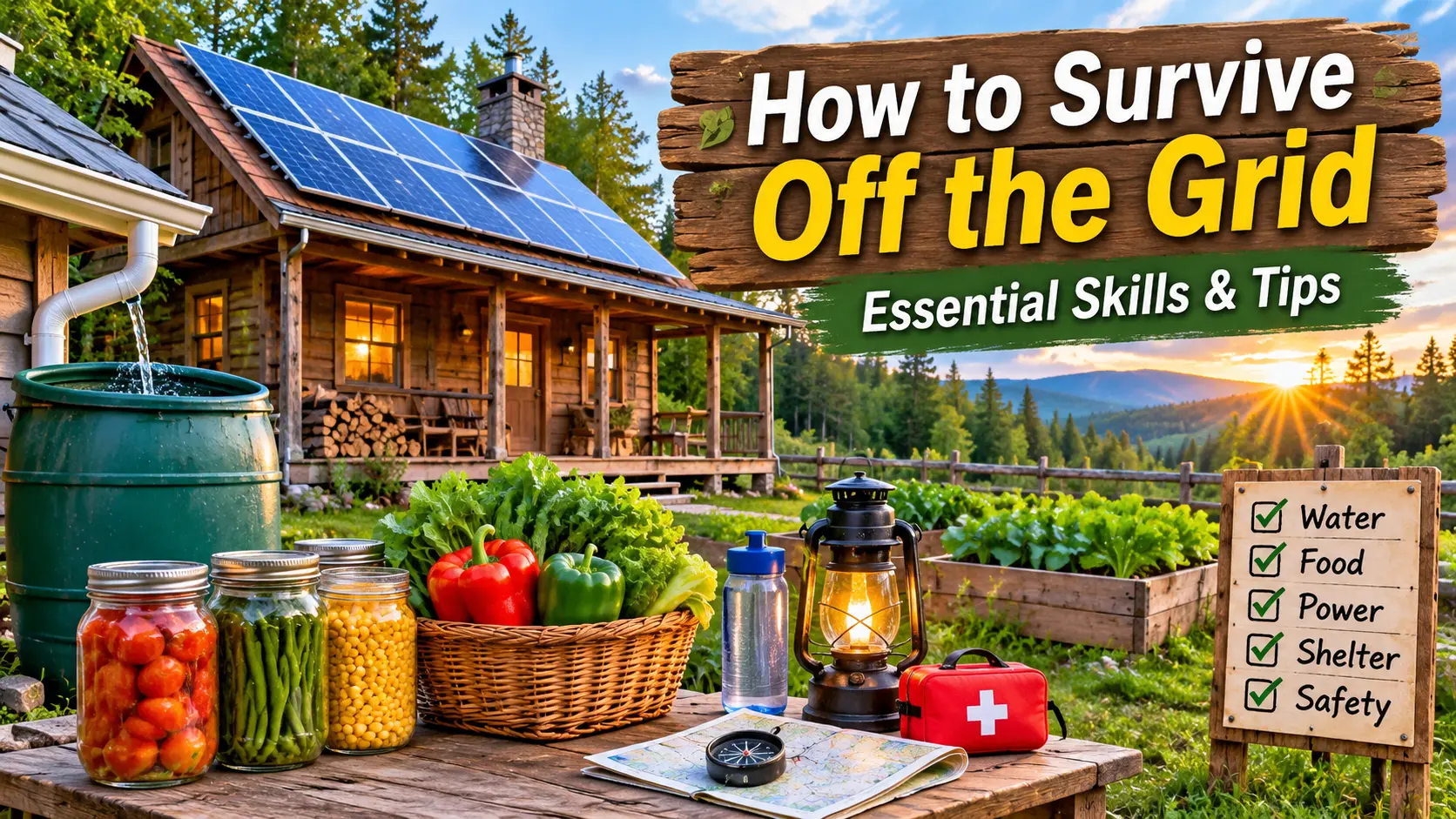
To survive off the grid, prepare reliable sources of drinking water, food, shelter, electricity, heating, sanitation, and communication. Start with essential needs, build dependable backup systems, and practice using them before you depend on them.
1. Secure a Reliable Source of Drinking Water
Water should be one of your first priorities when planning an off-grid lifestyle. You can have a beautiful cabin, a large garden, and a powerful solar system, but none of that matters if you cannot access safe drinking water.
Depending on your location, possible water sources include:
- Private wells: A properly installed well can provide a dependable water source, but it needs regular testing and maintenance.
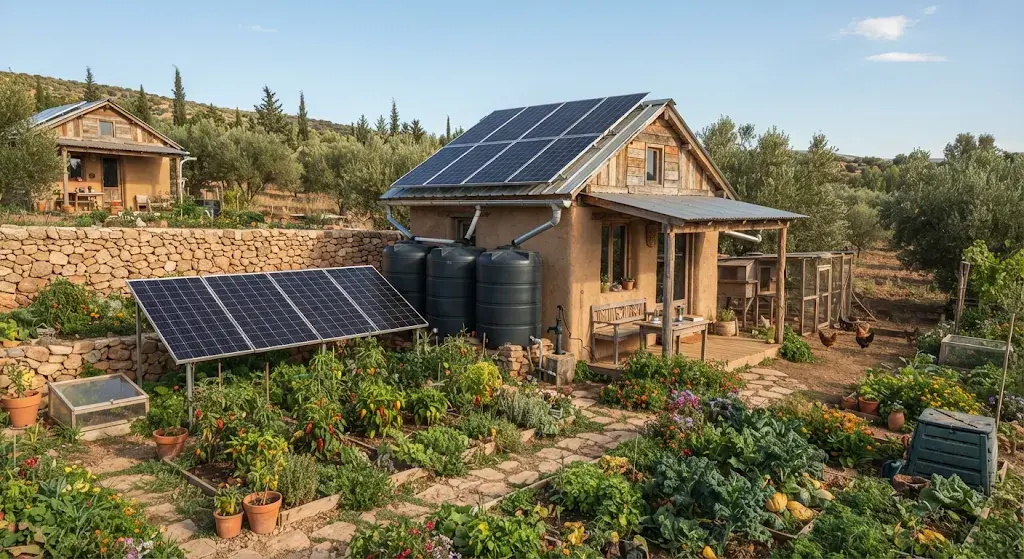
- Rainwater collection: Roof gutters and storage tanks can collect rainwater for garden irrigation and other uses. Drinking water requires appropriate treatment.
- Natural water sources: Springs, streams, and ponds may be useful, but never assume the water is safe to drink.
- Stored water: Keep clean drinking water in food-grade containers for emergencies and temporary interruptions.
For emergency planning, the American Red Cross recommends storing at least one gallon of water per person per day. You may need more in hot weather, during physical work, or when additional water is required for cooking and hygiene.
Clear water is not automatically safe water. Use a treatment method appropriate for the source, follow the manufacturer’s instructions for filters and disinfectants, and test private wells regularly. Boiling can kill many disease-causing organisms, but it does not remove chemical contamination.
2. Learn How to Produce and Store Your Own Food
Food independence is one of the most useful skills in off-grid living. You don’t have to produce every meal yourself, but growing some of your own food can reduce shopping trips and give you more control over what you eat.
A productive homestead garden can include:
- Potatoes and sweet potatoes for filling meals.
- Tomatoes, peppers, and cucumbers for fresh vegetables.
- Beans and peas for plant-based protein.
- Leafy greens such as kale, lettuce, and spinach.
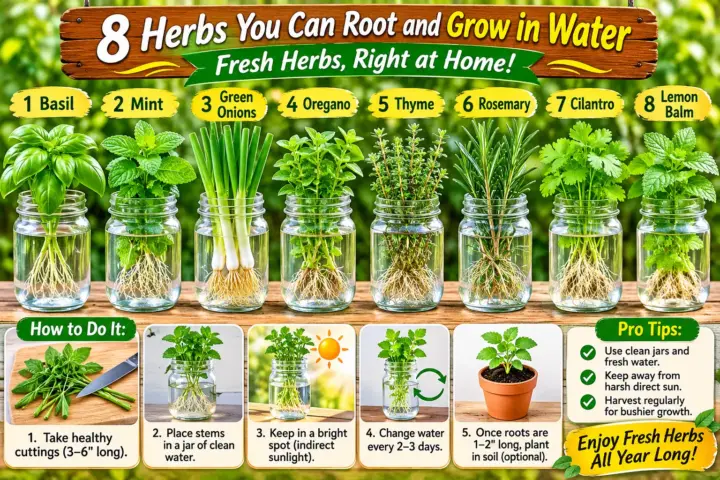
- Herbs such as rosemary, basil, and thyme.
Start with crops that grow well in your local climate. A small, well-managed garden is often a better starting point than a large garden that requires more time and water than you can provide.
Preserve Your Harvest
Growing food is only part of the job. You also need a plan for storing it after harvest.
Useful food-preservation methods include:
- Water-bath canning: Suitable for tested high-acid recipes, such as many fruits, jams, and properly acidified foods.
- Pressure canning: Required for safely canning low-acid foods such as vegetables and meat using tested processing instructions.
- Dehydrating: Removes moisture from suitable foods and helps reduce storage space.
- Freezing: Works well when you have a dependable freezer and enough power.
- Cool, dry storage: Properly stored dry beans, rice, and other shelf-stable foods can support your household pantry.
Never guess at canning times or pressure settings. Use tested recipes and guidance from trusted food-preservation authorities.
3. Build a Reliable Off-Grid Power System
Electricity makes many off-grid tasks easier. It can power lights, communication devices, water pumps, refrigerators, and essential equipment. Solar power is one option for producing electricity independently from the utility grid.
A basic solar power system usually includes:
- Solar panels: Capture sunlight and produce electricity.
- Charge controller: Regulates the charging process for the battery bank.
- Battery storage: Stores electricity for use when sunlight is limited or unavailable.
- Inverter: Converts battery power into the type of electricity required by compatible household appliances.
- Safety equipment: Includes correctly selected wiring, breakers, disconnects, grounding, and other protective components.
Before buying equipment, make a list of the appliances you actually need. A small system designed for lights, phones, and a few essential devices is very different from one expected to operate a refrigerator, well pump, washing machine, and electric heating system.
Start by identifying your essential electrical loads and how many hours each one must operate. Size your solar panels and batteries based on your real energy needs, seasonal sunlight, and backup requirements. Avoid choosing a system based only on the advertised wattage of its panels.
For important electrical installations, especially battery banks and systems connected to household wiring, use qualified professionals and follow local electrical codes. Incorrect wiring and battery installations can create fire and shock hazards.
4. Prepare for Cooking Without the Grid
When the electricity goes out, cooking can quickly become a problem. An off-grid household should have at least one safe alternative cooking method.
Depending on your location and local regulations, possible options include:
- Propane stove: A practical option when you have properly installed equipment and safe fuel storage.
- Wood-burning cookstove: Can provide heat and cooking capability when operated and maintained correctly.
- Outdoor camping stove: Useful for temporary cooking when used outdoors according to its instructions.
- Solar cooker: Can cook food using sunlight, although performance depends on weather and sunlight conditions.
Always use fuel-burning camping stoves, charcoal grills, and generators outdoors. Never operate them inside a house, garage, tent, or enclosed space because carbon monoxide can build up and become deadly.
5. Keep Your Home Warm, Cool, and Protected
Comfort is important, but temperature control is also a safety issue. A home that becomes dangerously cold or hot can put everyone inside at risk.
Start by improving the building itself:
- Seal air leaks around doors and windows.
- Improve roof, wall, and floor insulation where practical.
- Use curtains and window coverings to reduce unwanted heat loss or gain.
- Choose ventilation that suits your climate and building design.
- Keep the roof and drainage system in good condition.
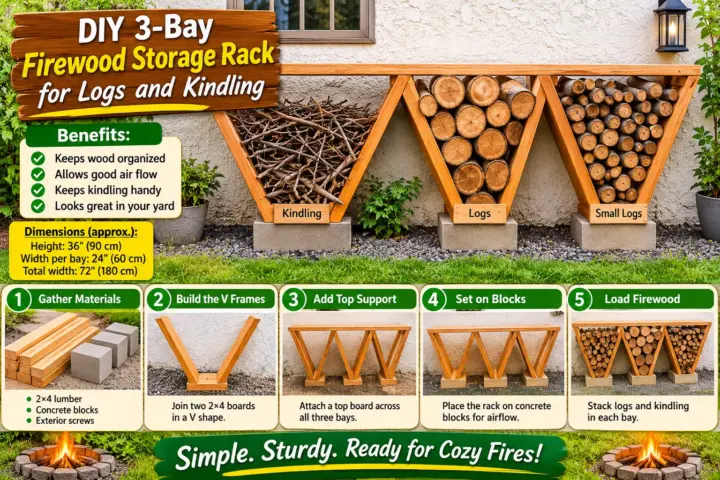
In colder climates, a properly installed wood stove or another suitable heating system may provide backup heat. It must have the correct chimney, clearances, maintenance, and ventilation. Install working smoke and carbon monoxide alarms.
In hot climates, shade, cross-ventilation, insulated roofing, and carefully planned windows can reduce indoor heat. Make sure your household has a plan for extreme heat, especially if anyone is elderly, very young, or has special medical needs.
6. Plan for Toilets, Waste, and Personal Hygiene
Sanitation is easy to overlook when planning an off-grid home, but it is essential for protecting your health.
Depending on local rules and site conditions, an off-grid property may use:
- A properly designed septic system.
- A permitted composting toilet.
- A suitable approved alternative sanitation system.
Wastewater from sinks, showers, and laundry also needs a safe disposal plan. Never discharge untreated sewage or household wastewater into streams, ponds, or areas where it could contaminate drinking water.
Keep basic hygiene supplies available, including soap, toilet paper, handwashing supplies, cleaning products, and suitable waste containers. If your normal water supply fails, have a plan for maintaining hand hygiene with limited water.
7. Learn Basic First Aid and Emergency Skills
Living far from a town or medical facility means you should be prepared to handle minor problems while knowing when professional help is necessary.
Useful skills include:
- Basic first aid and CPR.
- Recognizing heat exhaustion, heat stroke, and hypothermia.
- Using a fire extinguisher safely.
- Handling basic garden and hand tools.
- Reading local weather alerts and recognizing dangerous conditions.
- Knowing how to contact emergency services and reach the nearest medical facility.
Keep a well-stocked first aid kit and maintain an updated supply of necessary medications. If a household member relies on powered medical equipment, plan for a dependable backup power source and discuss emergency arrangements with their healthcare provider.
8. Stay Connected and Have a Backup Communication Plan
Being off the grid does not mean you should be completely cut off from the outside world. Reliable communication can help you receive weather warnings, contact family members, and request assistance.
Consider keeping:
- A mobile phone with a power bank.
- A battery-powered or hand-crank emergency radio.
- Printed emergency contact numbers.
- Paper maps of your local area.
- A backup communication option suitable for your location.
Mobile coverage and internet access can be unreliable in remote areas. Research available services before choosing a property, and test your communication equipment before depending on it.
9. Develop Practical Skills Before You Need Them
Equipment can help, but knowing how to use it is just as important. A solar generator is not very useful if you don’t understand its limits, and a water filter won’t help if you have never learned how to maintain it.
Build your skills gradually:
- Grow vegetables and learn how to save suitable seeds.
- Practice food preservation using tested methods.
- Learn basic plumbing and maintenance tasks.
- Understand your solar system’s controls and safety procedures.
- Learn how to repair fences, garden beds, and simple structures.
- Practice emergency cooking and lighting without grid electricity.
Start with small projects. A garden bed, a rainwater collection system for irrigation, or a small backup power setup can teach valuable lessons before you invest in a complete off-grid property.
10. Build Relationships With Your Neighbors
Self-sufficiency does not mean doing everything alone. Good relationships with nearby people can be incredibly valuable, especially when you live in a rural area.
Neighbors may have useful knowledge about local weather, road conditions, water sources, equipment repairs, and community services. You may also be able to share tools, exchange garden produce, or help each other during difficult situations.
Before moving to a remote property, learn where the nearest fire department, medical facility, grocery store, and fuel station are located. Independence works best when you understand the community around you.
A Simple 30-Day Plan to Start Preparing
You don’t have to change your entire lifestyle in one weekend. Use this simple plan to begin building practical off-grid skills and emergency readiness.
Week 1: Water and Food
- Calculate your household’s basic water needs.
- Store a supply of safe drinking water.
- Organize a pantry of foods your household already eats.
- Check expiration dates and rotate stored supplies.
Week 2: Power and Lighting
- List the electrical devices you need during an outage.
- Test flashlights and rechargeable batteries.
- Research backup power options suitable for your needs.
- Learn how to receive emergency weather information.
Week 3: Cooking and Shelter
- Identify a safe backup cooking method.
- Check smoke alarms and carbon monoxide alarms.
- Inspect doors, windows, and insulation.
- Prepare suitable clothing and bedding for your climate.
Week 4: Skills and Emergency Planning
- Learn basic first aid and locate a training course.
- Write down emergency contacts and meeting places.
- Practice a short power-outage drill.
- Review what worked and what needs improvement.
Common Mistakes to Avoid When Living Off the Grid
Some mistakes can make off-grid living more expensive and difficult than it needs to be. Watch out for these common problems:
- Depending on one water source: Have a backup plan in case your well, pump, or collection system fails.
- Buying an undersized solar system: Calculate your actual energy use before purchasing equipment.
- Growing too much food too soon: Start with manageable crops and expand as your skills improve.
- Ignoring sanitation: Safe drinking water and proper waste disposal must work together.
- Forgetting maintenance: Batteries, pumps, filters, roofs, and other equipment need regular inspection.
- Moving too far from help: Consider medical access, roads, weather, and emergency services before choosing a location.
Frequently Asked Questions
Can you survive off the grid without solar power?
Yes. Some off-grid homes use other energy sources, such as wind, micro-hydro, generators, or a combination of systems. The best option depends on local conditions, energy needs, costs, and regulations.
What is the most important thing to prepare for off-grid living?
Start with safe drinking water, shelter, food, and sanitation. These are basic needs that must be covered before focusing on comfort or optional equipment.
Can a beginner learn to live off the grid?
Absolutely. Begin with manageable projects such as growing vegetables, storing emergency water, learning food preservation, and using backup lighting. Build your knowledge before making a major move or investment.
How much money do you need to live off the grid?
There is no single price. Costs depend on land, climate, housing, water access, sanitation, energy equipment, and local building requirements. A property with an existing well and suitable home may require a very different budget from undeveloped land.
Final Thoughts
Learning how to survive off the grid is really about becoming more prepared, resourceful, and independent. You don’t need to master every skill immediately or build a perfect homestead from day one.
Start with water, food, shelter, and reliable power. Learn how to preserve your harvest, maintain your equipment, and handle everyday problems safely. Build your systems gradually, test them regularly, and keep a backup plan for the things you depend on most.
The goal isn’t to live without every modern convenience. It’s to create a lifestyle where you can take care of your basic needs, adapt when something goes wrong, and feel more confident about your future.
Start small, learn something new every week, and build your independence one practical step at a time.
Helpful Resources