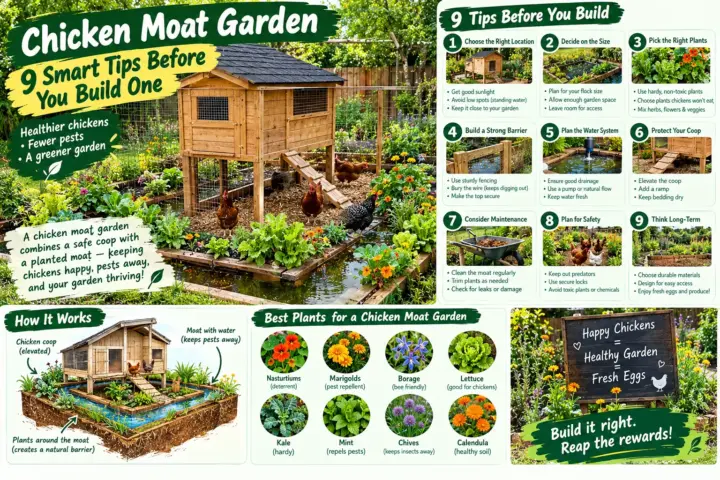
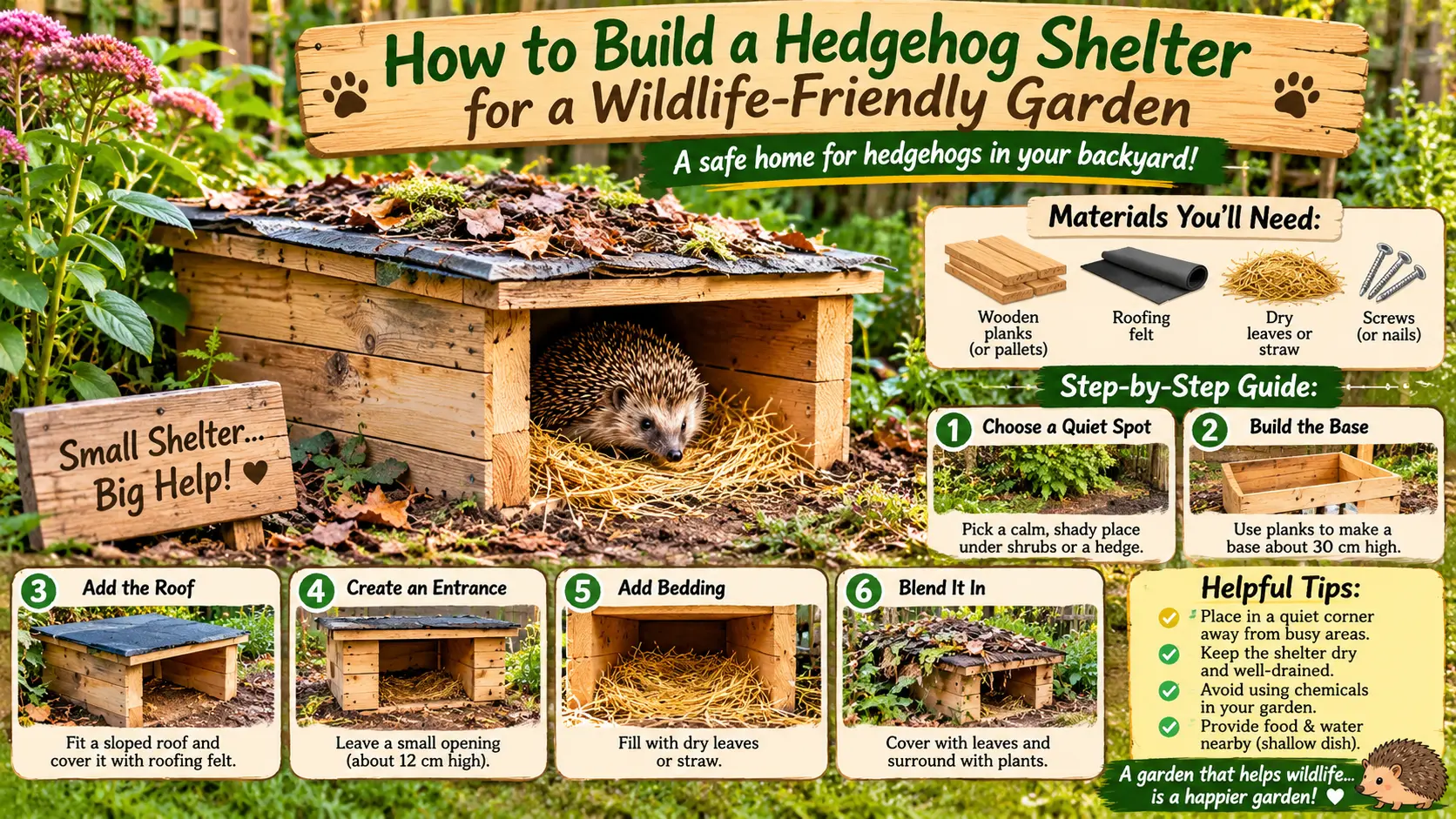
A hedgehog shelter can turn a quiet corner of the garden into a safe place for resting, nesting, or hibernation. The basic design does not need to be complicated: a dry chamber, a small entrance tunnel, ventilation, weather protection, and a garden that hedgehogs can actually enter and move through.
The shelter itself is only one part of the project. Hedgehogs also need access to connected gardens, natural food, water, leaf litter, and protection from common hazards such as netting, chemicals, steep-sided ponds, and garden machinery.
Quick answer
Place a dry, weatherproof shelter in a quiet shady corner, add a tunnel-style entrance, provide ventilation, and fill the chamber with dry leaves or similar nesting material. More importantly, give hedgehogs safe access through the garden with a gap or passage under fences.
Why Build a Hedgehog House?
Hedgehogs need secure places to rest during the day and may use sheltered spaces for nesting or hibernation.
The Wildlife Trusts recommends log piles, leaf piles, wild areas, and purpose-built hedgehog homes as useful nesting sites.
A shelter works best when it is part of a broader wildlife-friendly garden rather than an isolated wooden box.
The “200 Slugs Per Night” Claim Is Too Strong
The viral graphic claims that one hedgehog can remove 200 slugs in a night.
That number should not be treated as a reliable fact.
Hedgehog Street explains that hedgehogs are generalist feeders. Their natural diet includes worms, beetles, slugs, caterpillars, earwigs, millipedes, and other invertebrates.
So hedgehogs can be useful members of a balanced garden ecosystem, but they are not a guaranteed slug-control machine.
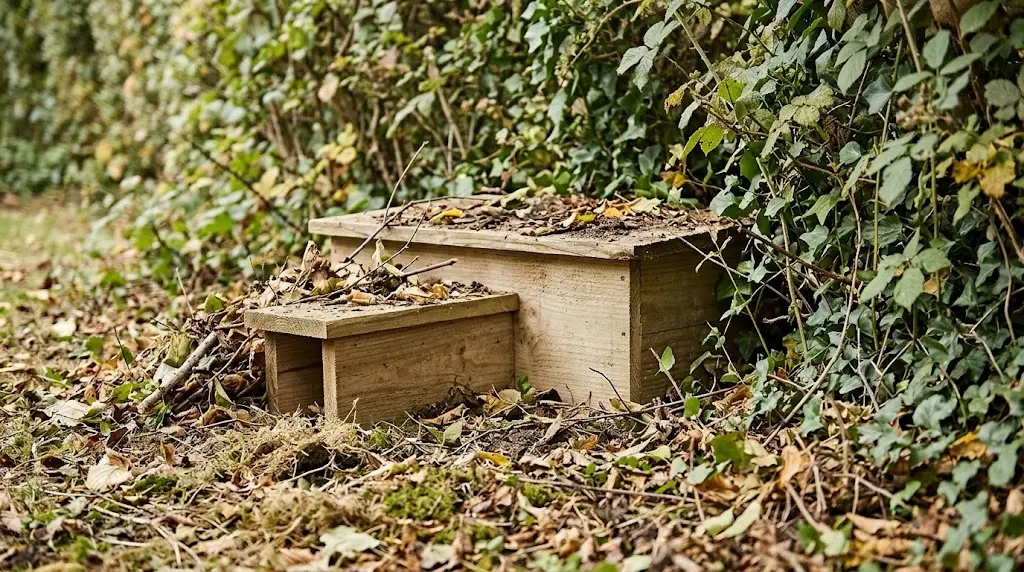
1. Choose a Quiet, Shady Location
Place the shelter somewhere calm and protected from regular foot traffic.
Good locations include:
- Under a hedge
- Beside a dense shrub
- Behind a shed
- Near a log pile
- In a wild corner of the garden
The Wildlife Trusts specifically recommends a quiet, shady location for a purpose-built hedgehog home.
2. Keep the Main Chamber Dry
The sleeping area should remain dry through wet weather.
Raise the house slightly from permanently wet soil if necessary and use a roof that sheds rain rather than allowing water to soak into the chamber.
The Wildlife Trusts’ DIY design uses untreated plywood and a waterproof covering over the roof.
3. Add a Tunnel Entrance
A short entrance tunnel helps make the inner chamber feel more protected.
The tunnel can also make it harder for larger animals to reach directly into the nest.
Do not make the entrance so narrow or awkward that the hedgehog cannot comfortably enter and leave.
4. Ventilation Matters—but Avoid a Drafty Box
The shelter needs some air exchange so moisture does not accumulate inside.
A small high ventilation opening is more useful than leaving large gaps around the sleeping chamber.
The goal is a dry, sheltered cavity—not an airtight box and not an exposed wind tunnel.
5. Add Dry Leaves for Nesting Material
Dry fallen leaves are excellent nesting material.
The Wildlife Trusts encourages gardeners to leave some fallen leaves because hedgehogs can use them for nesting.
You can place a small amount of dry material inside and leave additional leaves nearby so a visiting hedgehog can arrange the nest itself.
6. The Garden Entrance May Matter More Than the House
A perfect shelter is useless if hedgehogs cannot reach it.
Hedgehogs naturally roam through multiple gardens looking for food, mates, and nesting sites.
Wildlife Trusts guidance recommends creating a roughly 13 cm × 13 cm (5 in × 5 in) opening in fences or garden boundaries to connect neighboring gardens.
One of the best things you can do: Create a safe passage between gardens instead of completely sealing every fence to ground level.
7. Leave Part of the Garden Wild
A perfectly tidy garden may provide less natural food and shelter than a garden with some messy corners.
Hedgehog Street recommends leaving a wild patch with longer grass, leaves, and natural vegetation because these areas create microhabitats for insects and other invertebrates.
Useful habitat features include:
- Leaf piles
- Log piles
- Longer grass
- Dense shrubs
- Hedges
- Mixed planting
8. Avoid Slug Pellets and Broad Pesticide Use
If your goal is to encourage wildlife, avoid creating a garden that is heavily dependent on pesticides.
Hedgehog Street advises avoiding slug pellets, herbicides, and other chemicals because they may reduce the hedgehog’s natural food supply and can create direct risks.
The Wildlife Trusts also recommends encouraging natural predators as part of a chemical-free gardening approach.
Slugs Are Not Just Garden Enemies
This is another place where viral garden graphics often oversimplify the ecosystem.
Slugs and snails can damage vegetables, but they also break down organic matter and provide food for hedgehogs, frogs, birds, beetles, and other wildlife.
The Wildlife Trusts and RHS emphasize that molluscs are part of a healthy garden food web, not simply pests to eliminate completely.
9. Make Ponds Safe
Hedgehogs can swim, but they can drown in ponds with steep smooth sides and no exit.
Provide:
- A shallow edge
- A rough ramp
- A plank or escape route
Wildlife Trusts guidance specifically recommends an exit ramp or shallow area where hedgehogs can scramble out.
10. Watch for Garden Netting
Loose vegetable netting, football nets, and similar materials can entangle hedgehogs.
Keep unused netting off the ground and make sure active garden netting is tightly secured above ground level where wildlife cannot become trapped.
Hedgehog Street specifically warns about loose plant and sports netting.
11. Check Before Mowing, Strimming, or Lighting a Bonfire
Long grass, compost piles, leaf piles, and piles of branches can hide resting hedgehogs.
Before using power tools or lighting a pile of garden material, inspect the area carefully.
Hedgehog Street advises gardeners to check long vegetation and hidden spaces before strimming or mowing.
Do Hedgehogs Hibernate in Garden Houses?
They can.
Wildlife Trusts notes that hedgehogs commonly hibernate between roughly November and mid-March, although timing varies and animals may occasionally move between nesting sites.
If a hedgehog has occupied your shelter, avoid repeatedly opening or disturbing it during cold weather.
Should You Put Food Inside the Hedgehog House?
Keep the sleeping chamber primarily as shelter rather than turning it into a feeding station.
If supplementary feeding is appropriate in your area, provide food separately in a sheltered location.
Hedgehog Street recommends meat-based cat or dog food, specialist hedgehog food, or cat biscuits as supplementary options. It also advises providing fresh water.
Do not give hedgehogs milk. Hedgehog Street notes that hedgehogs are lactose intolerant, and bread provides very little useful nutrition.
Simple Hedgehog Shelter Materials
- Untreated exterior-suitable timber or plywood
- Weatherproof roof covering
- Short entrance tunnel
- Small ventilation opening
- Dry leaves or straw-like nesting material
- Soil, leaves, or branches to help blend the house into the garden
Avoid strongly treated materials, sharp metal edges, exposed screws, and anything that could trap an animal.
A Better Build Order
- Choose a quiet shady garden corner.
- Make sure hedgehogs can access the garden.
- Build a dry main chamber.
- Add a sheltered tunnel entrance.
- Add a small ventilation opening.
- Weatherproof the roof.
- Add dry nesting material.
- Surround the area with leaves, logs, shrubs, or other habitat.
- Keep pesticides and loose netting away.
- Leave the shelter undisturbed once occupied.
7 Common Mistakes to Avoid
1. Building the house where hedgehogs cannot enter the garden
Connectivity between gardens matters more than an isolated shelter.
2. Placing it in full sun
A quiet shaded location is generally a better choice.
3. Letting rain enter the sleeping chamber
Keep the nest dry and protect the roof from weather.
4. Using pesticides while trying to attract wildlife
Chemical use can reduce the invertebrates hedgehogs naturally feed on.
5. Leaving garden netting loose at ground level
Netting can trap hedgehogs and other wildlife.
6. Expecting one hedgehog to eliminate every slug
Hedgehogs eat a varied diet and should be encouraged for biodiversity rather than treated as a pest-control tool.
7. Constantly opening the shelter
Wildlife shelters work best when animals can use them without repeated disturbance.
Hedgehog House FAQ
Do hedgehog houses really work?
They can provide useful resting and nesting habitat, especially when placed in a connected wildlife-friendly garden with plenty of natural cover.
Where should a hedgehog house face?
Prioritize a quiet, shaded, sheltered position protected from heavy rain and regular disturbance rather than relying on one universal compass direction.
What should go inside a hedgehog house?
Dry leaves and similar natural nesting material can be provided, with additional material available nearby.
Do hedgehogs eat slugs?
Yes, but slugs are only one part of a varied natural diet that also includes worms, beetles, caterpillars, earwigs, and other invertebrates.
Will a hedgehog control all my slugs?
No. Encourage hedgehogs as part of a diverse garden ecosystem rather than depending on them as a complete slug-control strategy.
What size hole should I make in my fence?
Wildlife Trusts guidance recommends roughly a 13 cm by 13 cm opening to create a hedgehog highway between gardens.
The Bottom Line
A hedgehog house is a simple wildlife project, but the box itself is only one piece of the habitat.
A dry shelter works best when hedgehogs can move between gardens, find natural invertebrate food, drink safely, and use leaves, hedges, logs, and wild patches for additional cover.
Build a dry shelter, create safe access, reduce hazards, and let the garden stay a little wild.
That is much more useful than expecting one hedgehog to eat hundreds of slugs every night.
Sources
- The Wildlife Trusts — How to Build a Hedgehog Home
- Hedgehog Street — What Do Wild Hedgehogs Eat?
- The Wildlife Trusts — Wild About Gardens: Hedgehogs
- Hedgehog Street — Go Wild for Hedgehogs
- The Wildlife Trusts — Chemical-Free Organic Gardening