FARMSOLO • FOOD PRESERVATION
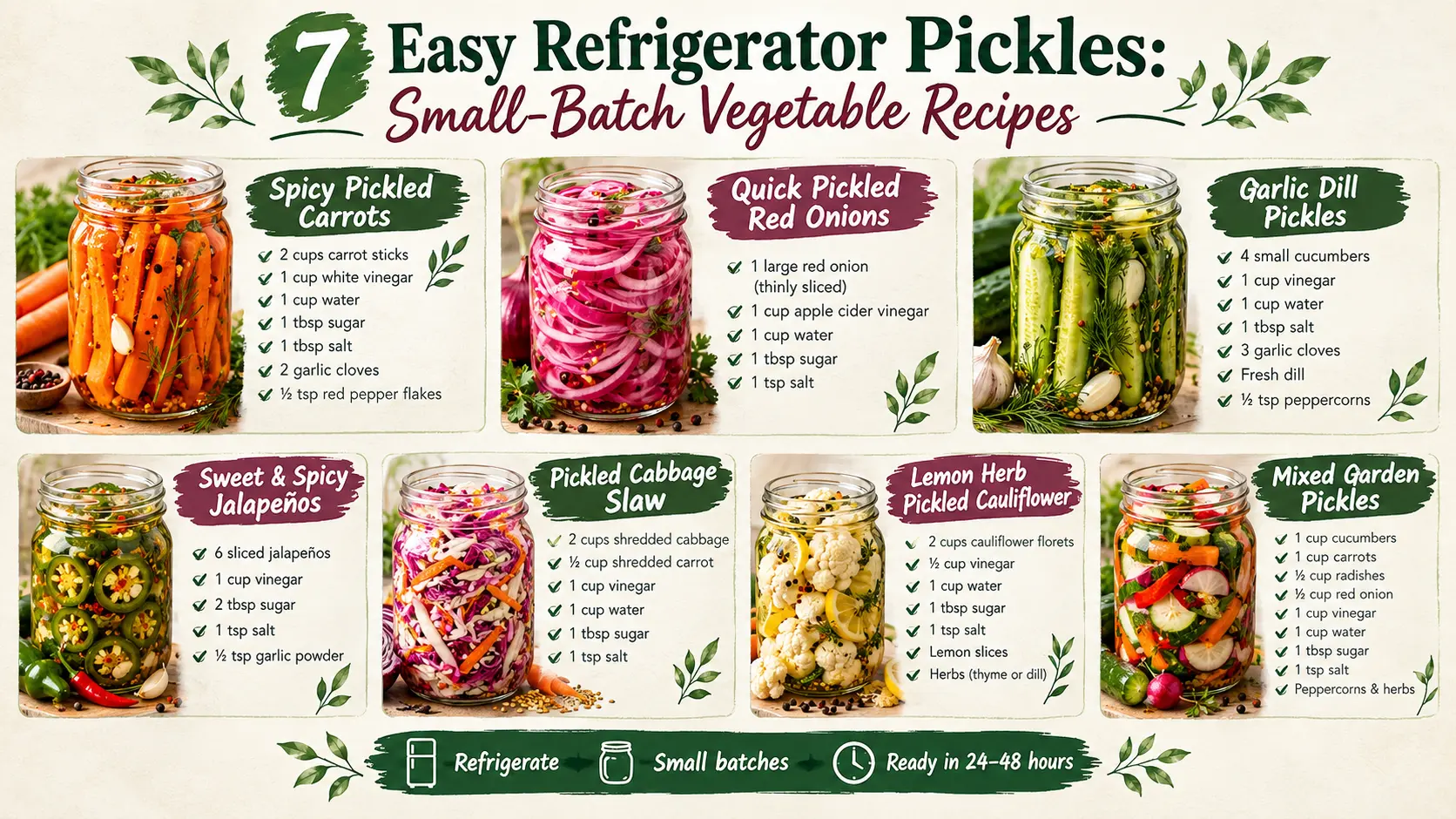
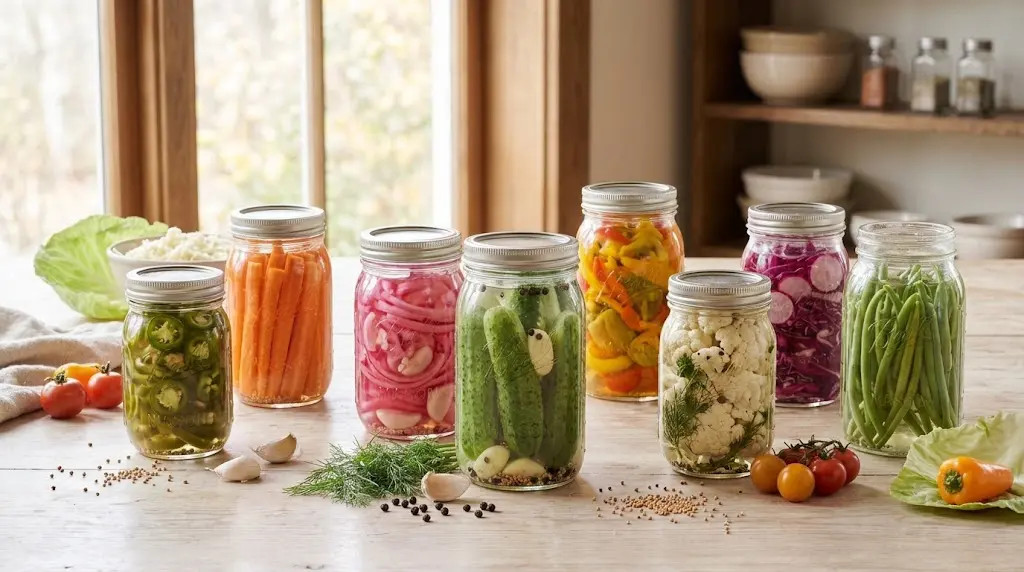
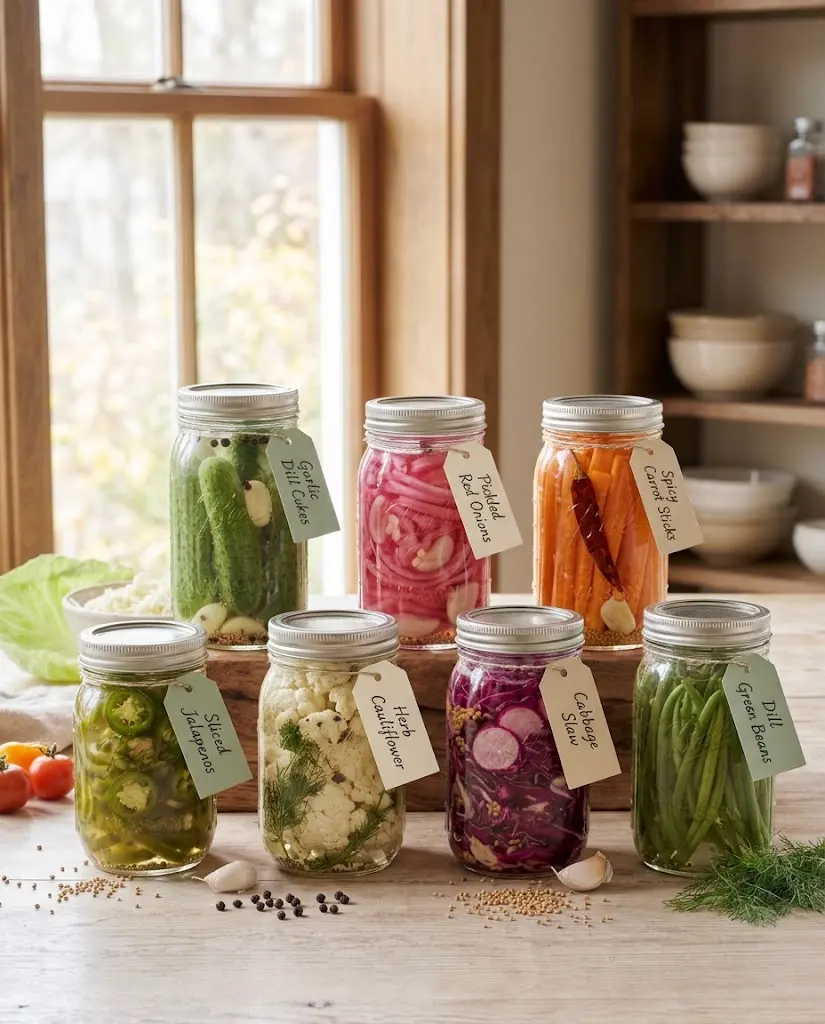
Refrigerator pickles are one of the easiest ways to save a small garden harvest without starting a full canning project. Cucumbers are the classic choice, but carrots, onions, peppers, cauliflower, cabbage and green beans can all become crisp, tangy refrigerator pickles with a simple vinegar brine.
Small batch • no water-bath canner • garden vegetables • easy flavor variations • always refrigerated
Quick Answer
For a simple small-batch refrigerator pickle, combine 1 cup of vinegar with 1 cup of water and 1 tablespoon of salt. Add 1 to 2 tablespoons of sugar if you want a sweeter balance. This amount works with about 3½ to 4 cups of prepared vegetables. Heat the brine until the salt dissolves, pour it over vegetables in clean jars, cool, then refrigerate. Give most vegetables 1 to 3 days for the flavor to develop.
Important: These are refrigerator pickles, not shelf-stable canned pickles. Keep every jar refrigerated. Do not place a sealed jar in the pantry simply because it contains vinegar.
What Are Refrigerator Pickles?
Refrigerator pickles are vegetables covered with an acidic vinegar brine and stored in the refrigerator rather than processed for shelf-stable storage.
They are sometimes called quick pickles because you can usually start enjoying them after a day or two instead of waiting through a long fermentation or canning process.
They are also different from fermented vegetables. Fermentation creates acid through microorganisms. Refrigerator pickling adds acid directly through vinegar.
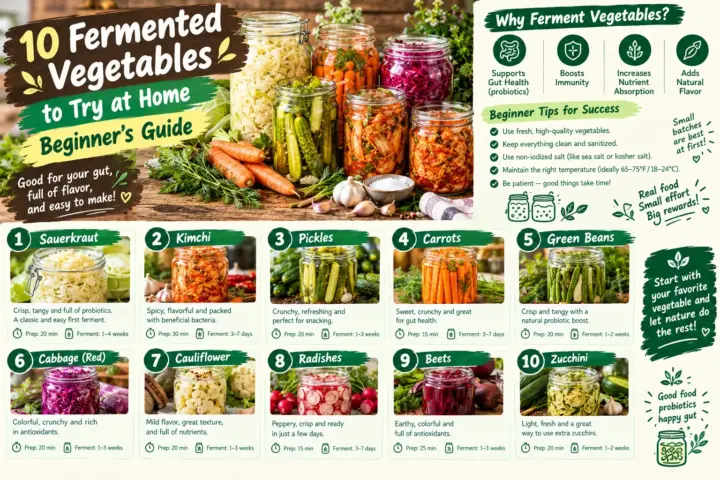
Want fermentation instead? See FarmSolo’s 10 Fermented Vegetables to Try at Home. The salt-fermentation method in that guide is different from the vinegar method used here.
The Basic Refrigerator Pickle Brine
For About 3½ to 4 Cups of Vegetables
- 1 cup vinegar — use vinegar labeled 5% acidity when possible
- 1 cup water
- 1 tablespoon salt
- 1 to 2 tablespoons sugar — optional
- 2 to 4 tablespoons herbs and seasonings
- 3½ to 4 cups prepared vegetables
How to Make the Brine
Add the vinegar, water, salt and optional sugar to a saucepan.
Heat until the mixture reaches a gentle simmer and the salt and sugar have dissolved. Remove it from the heat.
Place seasonings in clean jars, pack in the prepared vegetables, then pour the warm brine over them until covered. Leave a little space at the top, close the jars, cool them and move them into the refrigerator.
7 Easy Refrigerator Pickles to Try
01 • CUCUMBERS
Garlic Dill Refrigerator Pickles
Cucumbers are the easiest place to start. Choose fresh, firm cucumbers and cut them into rounds, spears or halves.
Add fresh dill, garlic, peppercorns and optional red pepper flakes to the jar before adding the cucumbers and brine.
For extra-crisp pickles, trim a thin slice from the blossom end of the cucumber. Enzymes associated with the blossom end can contribute to softening.
For a cucumber-only guide, see Quick Pickled Cucumbers.
02 • RED ONIONS
Quick Pickled Red Onions
Thinly sliced red onion changes quickly in vinegar and becomes bright pink, crisp and pleasantly tangy.
For this variation, use thin onion slices with the basic brine. A little sugar helps balance the sharpness of the vinegar and raw onion.
Try them on tacos, sandwiches, grain bowls, eggs, beans and salads.
03 • CARROTS
Spicy Pickled Carrot Sticks
Cut peeled carrots into thin, even sticks so the brine can move through them more easily.
Garlic, mustard seed, red pepper flakes and fresh dill all work well with carrots.
For slightly more tender carrots, blanch them briefly in boiling water, then cool them quickly in ice water before packing the jar.
04 • JALAPEÑOS
Sweet and Spicy Pickled Jalapeños
Slice fresh jalapeños into thin rings and keep the seeds if you want more heat.
Use the basic brine with the optional sugar. Garlic, oregano and peppercorns are easy additions.
Wear gloves when handling hot peppers if your skin is sensitive, and avoid touching your face or eyes during preparation.
05 • CAULIFLOWER
Garlic Herb Pickled Cauliflower
Break cauliflower into small, even florets and rinse them thoroughly.
Cauliflower pairs well with garlic, mustard seed, dill, turmeric, peppercorns and chile flakes.
If you prefer a slightly softer texture, briefly blanch the florets for 1 to 2 minutes, then cool them quickly before placing them in the jar.
06 • CABBAGE
Quick Pickled Cabbage Slaw
Shredded cabbage works especially well when you want something halfway between a pickle and a crisp slaw.
Combine shredded green or red cabbage with a small amount of shredded carrot and thinly sliced onion.
Mustard seed, celery seed, peppercorns or chile flakes can give the mixture more character without turning it into a complicated recipe.
07 • GREEN BEANS
Dilly Refrigerator Green Beans
Trim fresh green beans so they fit below the shoulder of the jar.
For a slightly more tender result and brighter color, blanch the beans briefly, then transfer them immediately to ice water.
Dill, garlic and black pepper make a simple flavor combination that works well with green beans.
Which Vinegar Should You Use?
White distilled vinegar gives the cleanest, sharpest pickle flavor and keeps pale vegetables such as cauliflower looking bright.
Apple cider vinegar has a warmer flavor and works particularly well with onions, carrots and cabbage.
For predictable pickling, use a commercially prepared vinegar with known acidity. When following a tested preservation recipe that specifies 5% acidity vinegar, do not substitute a weaker vinegar.
How Long Before Refrigerator Pickles Are Ready?
Thin vegetables such as sliced onions and jalapeños begin changing flavor quickly.
Dense vegetables such as carrots and cauliflower benefit from more time.
As a general small-batch approach, refrigerate the jars for 1 to 3 days before judging the final flavor. The vegetables continue absorbing the seasoned brine as they sit.
How Long Do Refrigerator Pickles Last?
Keep refrigerator pickles consistently cold.
Oregon State University’s refrigerator pickled vegetable recipe recommends keeping the jars refrigerated and using them within 3 months.
Quality is usually best earlier, especially for vegetables where crisp texture is part of the appeal.
Discard the jar if you notice obvious spoilage, unexpected mold, a bad odor or an unusual slimy texture.
Can You Reuse the Pickle Brine?
Do not use old brine from a finished jar to pickle a fresh batch of vegetables.
Vegetables absorb acid and release water while they sit, so the leftover liquid no longer has the same composition as the fresh recipe.
Make a fresh batch of brine each time.
Common Refrigerator Pickle Mistakes
- Treating refrigerator pickles as canned food. Keep them refrigerated.
- Using vinegar with unknown acidity. Choose commercially prepared vinegar with clearly labeled acidity.
- Randomly diluting the vinegar. Use a reliable refrigerator-pickle formula.
- Using old or damaged vegetables. Fresh, firm produce gives better texture and quality.
- Skipping clean jars and equipment. Refrigerator pickles do not receive a full canning heat process.
- Reusing old vegetable brine. Make fresh brine for each batch.
- Overpacking the jar. The brine needs to surround the vegetables.
- Expecting every vegetable to soften at the same rate. Dense vegetables may benefit from brief blanching.
- Leaving jars at room temperature. These recipes are designed for refrigerated storage.
Refrigerator Pickles FAQ
Are refrigerator pickles fermented?
Usually not. Most refrigerator quick pickles use vinegar to acidify vegetables directly. Fermented pickles rely on microorganisms to create acid over time.
Do refrigerator pickles need to be canned?
No. They are intentionally kept refrigerated instead of being processed for shelf-stable storage.
Can I make refrigerator pickles without sugar?
Yes. Sugar is mainly used to balance acidity and flavor in this style of refrigerator pickle. Leave it out if you prefer a sharper savory pickle.
Why are my pickles soft?
Start with very fresh vegetables, avoid overcooking them and keep the finished pickles cold. For cucumbers, removing a thin slice from the blossom end can also help reduce softening.
Can I pickle mixed vegetables in one jar?
Yes, but choose vegetables with similar preparation needs and cut them into reasonably uniform pieces. Very dense vegetables may benefit from brief blanching before they are combined with more tender vegetables.
Can I store refrigerator pickles in a mason jar?
Yes. A clean glass canning jar is convenient for refrigerator pickles. The jar is being used as a refrigerated storage container here, not as proof that the food has been canned for pantry storage.
One Brine, Plenty of Garden Possibilities
The best thing about refrigerator pickling is that you do not need a huge harvest.
A few carrots, half a cabbage, an extra onion or a handful of jalapeños can become a useful jar instead of sitting forgotten in the crisper drawer.
Use fresh vegetables, a reliable vinegar brine, clean jars and consistent refrigeration. Keep shelf-stable canning and fermentation as separate preservation methods with their own tested recipes.