
The funny thing about urban hydroponics is that I never planned to get into it. I used to think hydroponics was something rich folks did in shiny glass greenhouses. Meanwhile, I was over here growing tomatoes in cracked buckets and trying to explain to my neighbor why water was leaking down the stairs (long story… I’ll get to it).
But a few years ago, when food prices went crazy and my backyard looked more like a concrete parking lot than a garden, I figured I needed a better way to grow stuff. And man, I’m glad I tried it. Hydroponics honestly surprised me. It’s not perfect, but it has helped me grow lettuce, herbs, peppers, and even some tomatoes—right in my tiny backyard and sometimes inside my kitchen.
So let me walk you through my whole experience mistakes, wins, what worked, what absolutely did not. If you’re trying to grow food in a city apartment or a small backyard, maybe this will save you a headache or two.
How I Fell Into Urban Hydroponics (Accidentally)
I started small. One day I saw a plastic storage bin at the store for like six bucks, and I told myself, “Hey, I can grow something in that.” I watched a video about Kratky hydroponics the kind where you don’t need pumps or electricity and I figured I’d give it a shot.
So I drilled some holes, stuck some net cups in, mixed some nutrient water, and threw in a few lettuce seeds.
A week later, I realized something wild:
My lettuce was growing faster than anything I had ever planted in dirt.
That’s when I got hooked.
Why Urban Hydroponics Actually Works for Small Spaces
If you live in a city, you know the struggle small balconies, shady yards, landlords who look at you weird if you hang anything from the railing. Hydroponics solves a lot of that in ways I didn’t expect.
Here’s what I learned right away:
- It uses way less space.
- No soil, so no mess (well… less mess).
- Plants grow faster, especially leafy greens.
- You don’t need full sun LED grow lights can carry you.
- You can grow indoors, outdoors, or on a fire escape if your landlord doesn’t yell at you.
Hydroponics is like the cheat code for city gardening.
The First Mistake I Made With Hydroponics
Let me tell you the story real quick.
My very first hydroponic bucket leaked. Not a little… I mean a whole gallon of nutrient water ran out overnight.
I had no idea the rubber seal around the bulkhead fitting wasn’t tight. I woke up to the sound of my wife yelling, and the water was dripping down into the neighbor’s storage area.
Moral of the story:
Always fill your system outside first. Always.
The Basic Hydroponic Setups I’ve Actually Used
I’m not gonna throw fancy diagrams at you. I’ll just tell you the simple systems that worked in my real homestead life.
Kratky Bins (No Electricity Needed)
This is my favorite for lazy gardeners like me.
I grow:
- lettuce
- basil
- mint
- spinach
- bok choy
You literally mix water + nutrients, put plants on top, and walk away.
Deep Water Culture (DWC) Buckets
This is good for bigger plants like tomatoes or peppers.
You need:
- a bucket
- an air pump
- air stone
- net pot
It works well, but don’t do what I did: I once forgot to plug in the pump for two days. The roots turned brown and the whole bucket smelled like rotten socks.
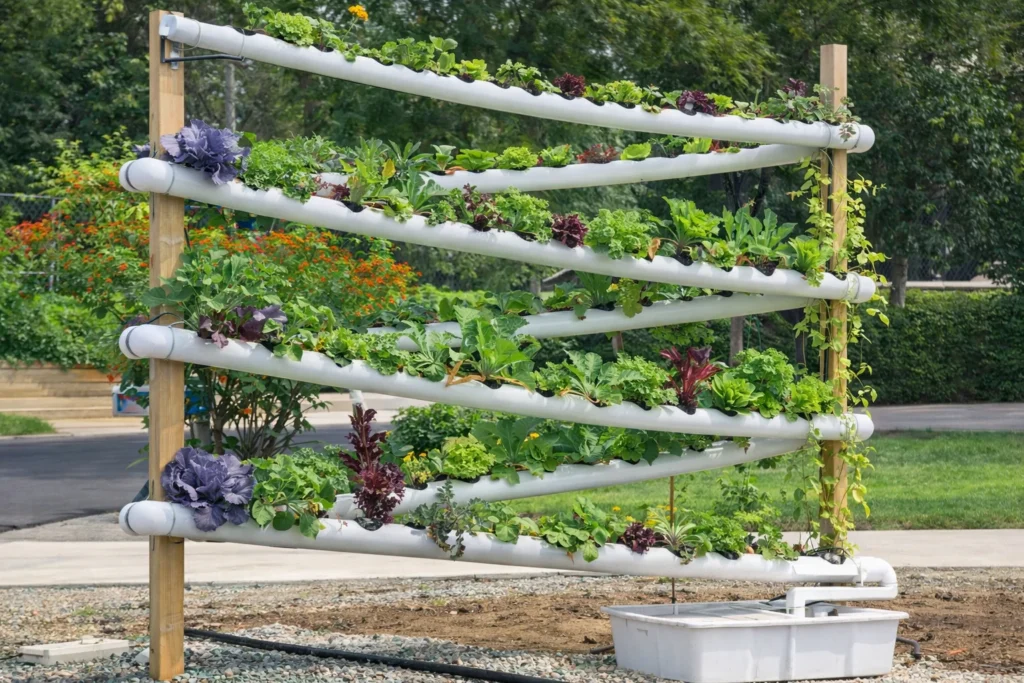
NFT (Nutrient Film Technique) PVC Pipes
This one looks cool but requires more maintenance.
It grows greens super fast, but if the pump dies, your plants die. It’s not beginner friendly unless you like problems.
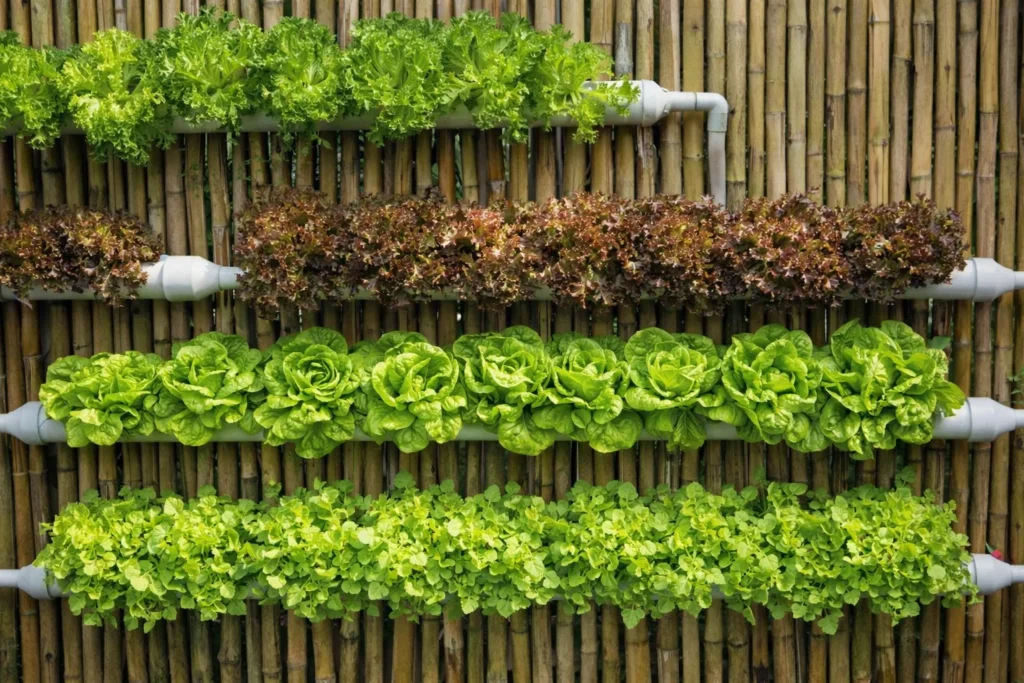
Hydroponic Tower (Vertical Garden)
I built one with PVC and it changed everything.
In a 1×1 foot corner of my yard, I grew more lettuce than I could eat.
If you have no space at all this is the one I’d tell you to try.
The Cheapest Hydroponic Setup I Ever Built (And Still Use)
If you want to start hydroponics without losing money, here’s the system that cost me maybe $12 total:
- 1 plastic bin
- 1 piece of foam board
- 6 net cups
- hydroponic nutrients
- water
Cut foam to float on top, drop in the cups, mix nutrients, and plant.
That simple thing gave me better lettuce than most stores.
What I Grow Best With Urban Hydroponics
I’ve tested a lot in these systems, mostly to see what survives my lazy habits. Here’s what actually grows well:
Lettuce (the King of Hydroponics)
Man, lettuce grows like it’s on steroids in hydroponics.
I harvest every week without fail.
Herbs
Mint, basil, oregano, chives they love hydroponics.
Watch out for mint though… that thing grows like it’s trying to take over your house.
Peppers
Small hot peppers do amazing. I grew jalapeños the size of my fingers.
Tomatoes
They grow GREAT, but suck down water faster than my kids drink juice.
Strawberries
Surprisingly easy, but you need good lighting.
If you live in a tight city apartment, I swear hydroponics will shock you with how much you can grow.
The Problems Nobody Told Me About Hydroponics
People online like to pretend hydroponics is perfect. It’s not. Here’s the honest list:
1. Algae Shows Up Like an Uninvited Guest
If light hits the water, algae grows.
Just cover everything and use opaque buckets.
2. pH Swings Are Annoying
You’ll check pH more than you check your phone.
Well… maybe.
3. Pumps Fail at the Worst Times
I lost a whole tomato plant because a pump died on a hot day.
4. Electricity Costs Add Up
LED lights + pumps = a few extra dollars monthly.
Not horrible, but real.
5. Some systems are overhyped
NFT is amazing but unforgiving.
Tower systems clog sometimes.
Cheap Amazon kits break fast.
Just being honest here.
My Top 6 Real Tips for Anyone Starting Urban Hydroponics
These are things that would’ve saved me time (and plants).
1. Start With Lettuce
It grows fast, it forgives mistakes, and it makes you feel successful.
2. Stick to One Simple System First
Don’t buy everything at once.
Start with Kratky or DWC and expand later.
3. Good Lights Matter More Than Fancy Equipment
If you grow indoors, buy a half decent LED.
Bad light = sad plants.
4. Don’t Overthink Nutrients
Just use any standard 2 part or 3 part hydro nutrient.
Don’t cheap out, but don’t get fancy either.
5. Keep a Backup Pump
Trust me on this one.
Once your pump fails during a heatwave… you’ll understand.
6. Clean Between Every Grow
Otherwise things get slimy fast.
A Funny Story That Taught Me a Big Lesson
One time I tried growing cucumbers hydroponically indoors.
Let me tell you…
Never again.
The vines wrapped around my kitchen shelf, the plant kept sucking water every day, and one cucumber fell on my dog’s head. I realized some plants just aren’t good for indoor hydroponics unless you’re ready to deal with jungle vibes.
Stick to smaller stuff indoors. Saves you headaches.
Urban Hydroponics vs Soil: Which Is Better for Small Spaces?
After doing both for years, here’s my honest take:
Hydroponics Wins If You Want:
- fast growth
- clean indoor growing
- less pests
- high yields in tiny spaces
Soil Wins If You Want:
- lower electric bills
- more forgiving systems
- better flavor (sometimes)
Both have their place. I mix them depending on what I need.
Mini FAQ Real Answers Only
Q: Is urban hydroponics expensive to start?
A: Nope. My first setup cost around $12. You can get fancy later.
Q: Does hydroponic food taste different?
A: Lettuce tastes cleaner. Herbs taste stronger. Tomatoes taste… fine. Soil tomatoes win in flavor sometimes.
Q: Can I do hydroponics without sunlight?
A: Yep, just get a grow light. Doesn’t need to be fancy.
Why Urban Hydroponics Fits the Homesteading Life So Well
When you’re living the homestead life in the city trying to be more self sufficient, saving money, storing food, maybe canning a little hydroponics becomes one of those tools that just makes sense.
It helps you grow more food with less space.
It gives you fresh greens year round.
It works even if your soil sucks or if you have no soil at all.
And honestly, when I harvest a bowl of lettuce I grew in a plastic bin next to my kitchen window, it feels like cheating… in a good way.
Urban hydroponics won’t solve every problem, but it sure makes small-space homesteading easier.
Final Thoughts on Urban Hydroponics
If you’re thinking about trying urban hydroponics, I’d say go for it. Start simple. Grow some lettuce. Let the system teach you as you go.
I’m still learning new tricks every season, and I still make mistakes spill water, kill a pump, forget to add nutrients but I always get food out of it. And that’s what matters.
If you get stuck or wanna ask something weird about your setup, just drop a comment. I actually answer. I messed up a lot already maybe I can save you from doing the same.