
Urban Composting tips. I’ve been doing the whole homestead thing for more than 10 years now, but honestly, composting in the city taught me more lessons than raising chickens or growing tomatoes ever did. You’d think composting is simple: throw food scraps in a bin, wait, and boom black gold.
Yeah… no. Not even close.
When I started, I messed up almost everything you can mess up. I made smelly piles, angry neighbors, fruit fly explosions, and one time I swear a raccoon used my compost bin like it was his personal Airbnb.
But the good news? Composting can work in small backyards, balconies, side alleys, or even inside your house if you set it up right. And trust me, once you get it, your soil will thank you forever.
So here’s what actually worked for me the simple stuff, the mistakes, and all the little hacks I wish someone told me earlier.
Why I Stopped Throwing Away Food Scraps
Back when I lived in a tiny apartment, I didn’t even think about compost. Everything went straight to the trash. But when I started gardening especially trying to grow tomatoes in containers I realized how weak my soil was. It didn’t matter how much fertilizer I bought… store soil is just dead.
I want real organic matter.
I needed compost.
Make my plants to stop looking like they had depression.
So I decided to try “city composting,” thinking it would be easy. Spoiler alert: it wasn’t.
Mistake 1 I Made a Pile Instead of a System
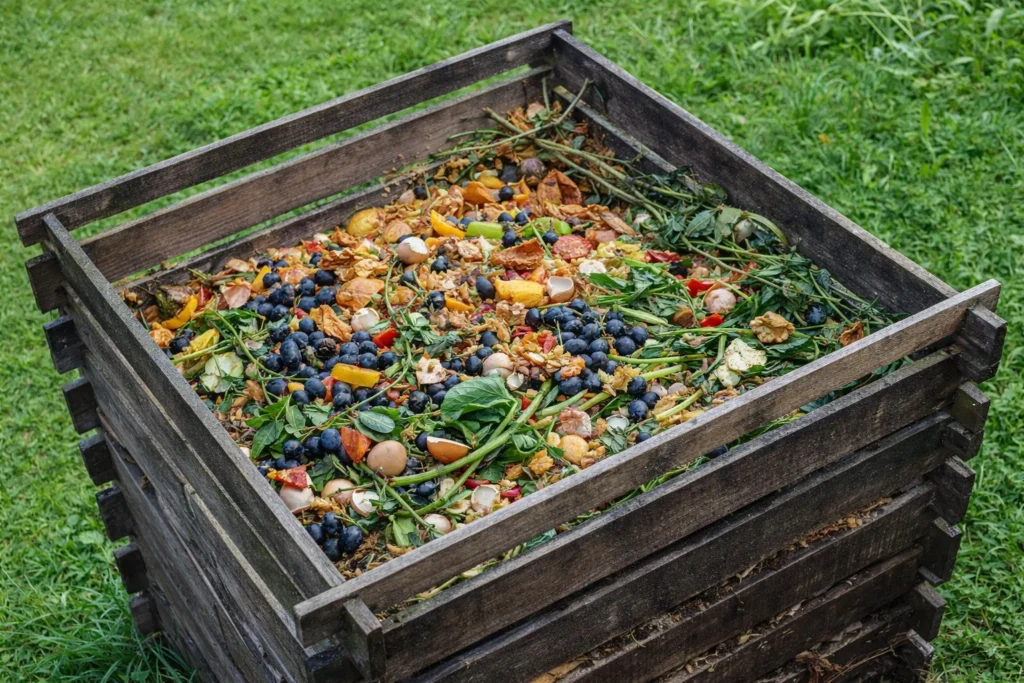
My first compost attempt was basically a trash pile with dreams. I threw everything in there banana peels, rotten lettuce, coffee grounds, old spaghetti and waited.
All I got was a smelly goo that made me question every life choice.
Here’s the truth that no one tells beginners:
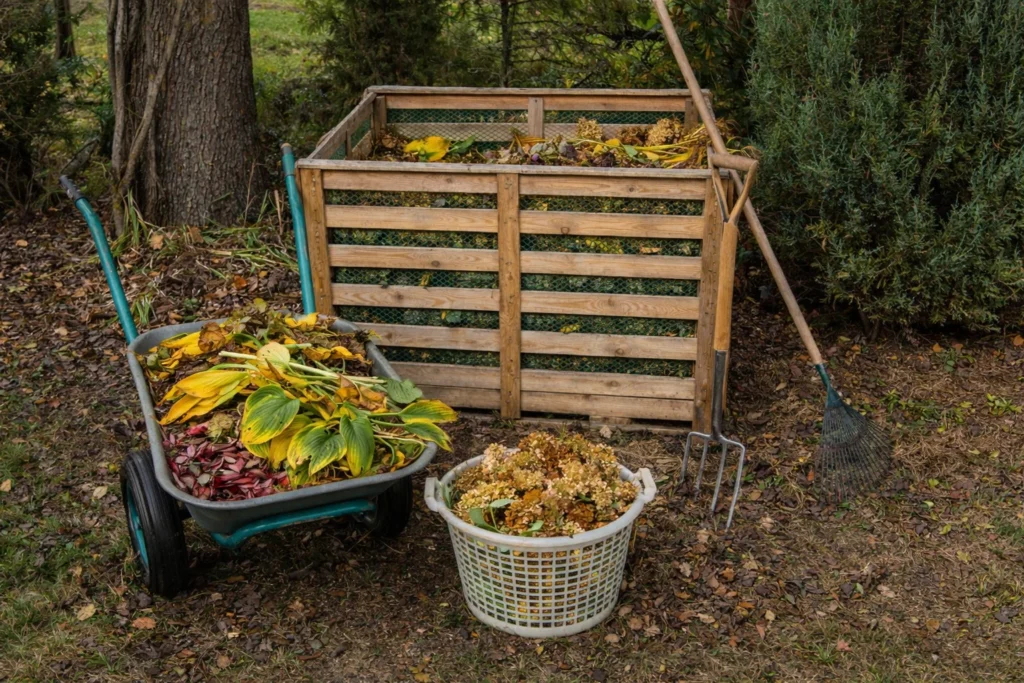
Compost isn’t a trash pile it’s a recipe. You need “greens” and “browns,” and the balance actually matters.
What finally worked With Urban Composting :
50% Browns (carbon):
- Shredded paper
- Dry leaves
- Old cardboard
- Wood shavings
- Straw
50% Greens (nitrogen):
- Food scraps
- Coffee grounds
- Fresh garden waste
Once I followed that simple rule, the smell disappeared and the breakdown went way faster.
Mistake 2: My Compost Was Too Wet
City composts usually turn wet because we’re adding more kitchen scraps than yard waste. And wet compost smells like the inside of a garbage truck in July.
When my compost turned into a sloppy soup, here’s what saved it:
My fix:
Add dry carbon heavy materials such as:
- shredded cardboard
- wood pellets
- dry leaves
- torn up egg cartons
And mix it every few days.
A compost pile should feel like a wrung out sponge moist but not soggy.
Mistake 3: Wrong Bin for a Small Space
I tried those cheap black compost bins first. The problem is… they’re too big for small city yards and too slow for impatient people like me.
What actually works better in the city:
- Tumbler compost bins
- Worm bins (vermicompost)
- Bokashi bins
Tumblers saved me the most time: no smell, no raccoons, and fast breakdown in 6 or 8 weeks. Worm bins work indoors and produce incredible compost. Bokashi is an apartment friendly solution for people with no outdoor space at all.
Pick a system based on your space, not what looks nice on Pinterest.
The Fruit Fly Invasion: My Worst Compost Story
One summer my kitchen compost bucket turned into a fruit fly hotel. I opened the lid one morning and the entire cloud flew straight into my face.
My wife almost made me sleep outside.
If this happens to you, don’t panic it’s fixable.
How I stopped the fruit flies:
- Keep the indoor bucket tightly closed
- Add shredded paper on top after every dump
- Freeze fruit scraps before composting
- Empty the bucket every 2 or 3 days
After that, fruit flies became a distant memory.
What You Can Compost
People ask me this a lot, so here’s my simple rule:
If it once lived, it can probably be composted with a few exceptions.
Safe to compost:
- Fruit and vegetable scraps
- Coffee grounds and tea
- Eggshells
- Paper and cardboard
- Garden waste
- Leaves
- Wood shavings
Things to avoid:
- Meat and bones
- Oily or fatty foods
- Cooked meals
- Large amounts of citrus
- Diseased plants
Keep it simple and you’ll avoid most of the common problems.
How I Finally Got “Black Gold”
The day I opened my compost tumbler and saw real, dark, rich compost… it felt like winning something. My tomatoes went from sad weak plants to strong producers almost overnight.
My routine now:
- Add scraps daily
- Add browns every two or three dumps
- Spin the tumbler a few times
- Keep the pile slightly moist
- Let it sit for a couple of weeks
- Harvest the compost
Once you understand the balance, composting becomes easy.
The Truth: You Don’t Need a Big Farm for make Urban Composting
People think composting is only for big homesteads, but the best composters I know live in the city.
All you need is:
- A small bin
- A steady routine
- Some patience
- A balanced mix of browns and greens
If you grow even a single tomato plant, compost will change your garden forever.
Final Thoughts
Urban Composting isn’t perfect. You’ll make mistakes. Maybe it’ll smell for a week, or maybe you’ll forget to turn it. It’s all part of the process.
But once your system starts working, you’ll create soil that actually feels alive. Your garden will respond almost immediately. And the best part is knowing you made that soil yourself.
If you’re just getting started, keep it simple. Start small, learn as you go, and enjoy the journey. Your plants and your wallet will thank you.