
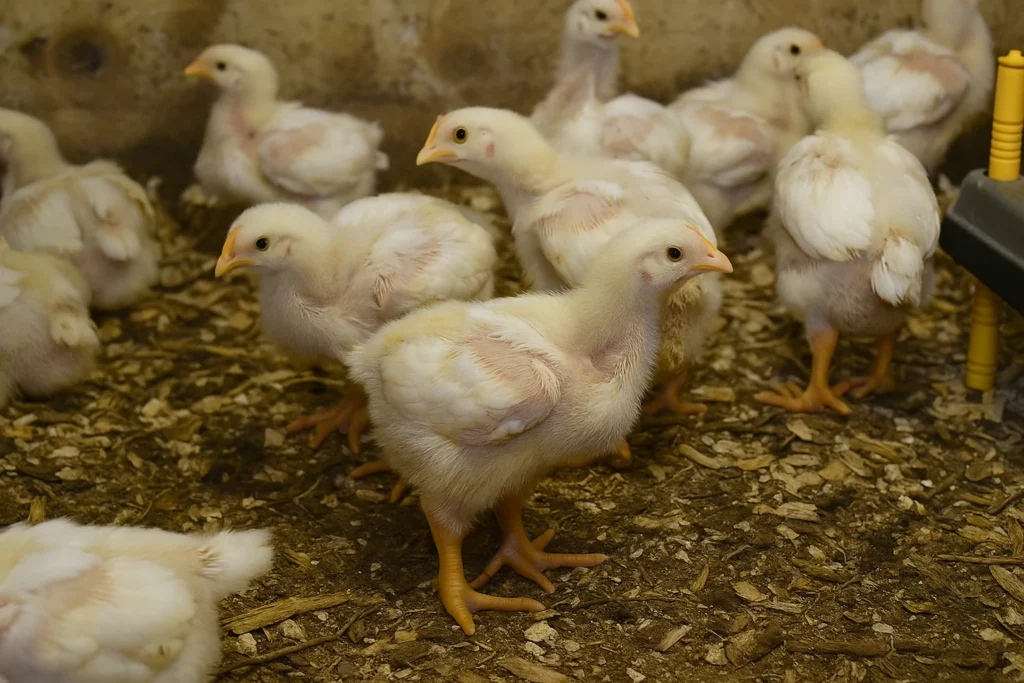

I still remember the first time I brought home a box of Cornish Cross chicks. They were all yellow fuzz and sweet little peeps, packed in a cardboard box that smelled like pine shavings and warm cornmeal. I was smiling like a fool driving home. I thought, “Buddy, you’re gonna raise your own meat birds and save a fortune.”
Yeah… that didn’t exactly go as planned.
Those little chicks grew like something out of a science fiction movie. By week three, they were already heavier than some of my layer hens. By week five, I started to realize what every old-timer at the feed store meant when they said, “Don’t blink. They’ll outgrow their legs before you can fry an egg.”
But lemme tell you after 10 years of backyard farming, I’ve raised all kinds of birds, and Cornish Cross chickens still blow my mind. They’re messy, fast, greedy, but they’ll fill your freezer faster than anything else on the homestead.
So, What Makes Cornish Cross So Special (and a Little Crazy)?
If you’ve never heard of them, Cornish Cross are basically the bodybuilders of the chicken world. They’re a hybrid breed, made from Cornish and White Rock chickens, bred to grow huge in a very short time.
Here’s the crazy part they reach butcher weight in just 6 to 8 weeks. That’s insane when you think about it. Most regular chickens take three to four months at least.
But that speed comes at a cost. They eat a ton, poop even more, and sometimes their little legs just can’t handle the weight. I’ve lost a few over the years because they grew too fast. It’s sad, but it’s also part of learning how to care for them right.
The First Mistake I Made with Cornish Cross
Alright, here’s my confession my first batch of Cornish Cross was a disaster. I fed them like I fed my layers: feed always available, 24/7. Big mistake.
After a couple weeks, I noticed they’d just sit by the feeder, eat, sleep, and eat again. By week five, a few couldn’t walk right. I felt awful. So I called an old timer who’s been doing meat birds for 20 years, and he laughed and said, “You’re killin’ them with kindness, son.”
He taught me to feed them in two sessions per day, with a long break at night so their bodies can rest. That single change made all the difference. The next batch? Way healthier.
How I Raise Cornish Cross Now (and Still Keep My Sanity)
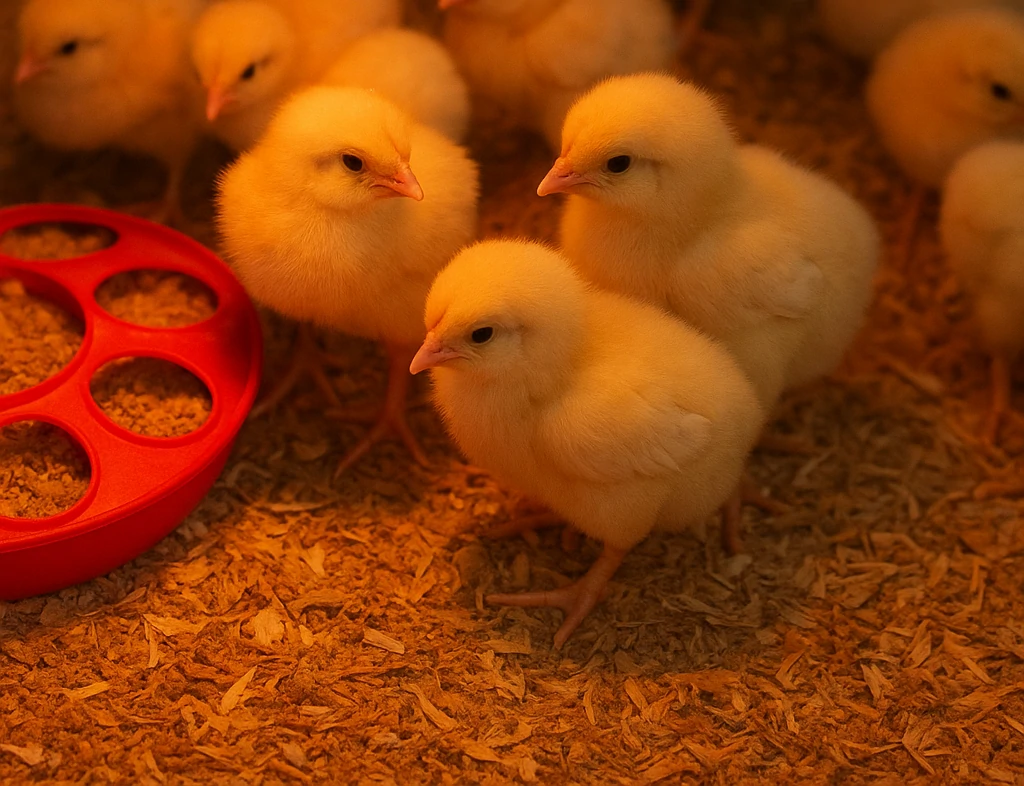
Over time I found a routine that works pretty well. It’s not fancy, but it gets the job done.
1. Brooder Setup
For the first couple weeks, I keep the chicks in a big stock tank with pine shavings and a heat lamp. Temperature around 90°F the first week, dropping 5 degrees each week. Don’t overheat them they’ll just pant and pile up.
I also raise the waterer a little off the ground to keep it clean, ‘cause Cornish Cross are pros at making a mess.
2. Feed Schedule
Like I said, I feed twice a day morning and evening. I give them a good starter/grower feed with 20–22% protein, then taper off a bit after week four.
You don’t need to baby them, but don’t let them free-feed either. They’ll eat themselves into heart trouble. Trust me, I’ve seen it happen.
3. Outdoor Time
When the weather’s nice, I move them to a chicken tractor or fenced pasture around week three. Fresh air and grass make a huge difference.
You’ll notice them pecking at bugs and grass, but they’re not like heritage breeds they still prefer the feeder. Still, it gives them exercise and keeps the smell down. And oh boy, they do stink.
4. Clean Bedding (This Is Huge)
I change their bedding way more often than my layers every couple days, at least. Cornish Cross poop a lot because of their high feed intake. If you don’t stay ahead of it, ammonia builds up fast.
A friend of mine ignored that advice once. He said, “They’ll be fine, they’re meat birds.” Well, by week six his coop smelled like death itself. Don’t do that to yourself.
Processing Day: The Good, The Bad, and The Chicken Feathers
I still get nervous on butchering day. It’s never “fun,” but it’s part of the deal when you raise meat birds. I process around week 7 or 8 most of mine hit around 5 to 7 pounds dressed.
I’ll be honest: the first time I processed chickens, I made a mess. Feathers everywhere, a dull knife, and a heart full of regret. Now I’ve got a small setup that works a big pot for scalding, a plucker I built from an old drill, and a quiet corner of the yard.
If you’re new, find someone who’s done it before and ask for help. You’ll learn faster and feel better about it.
What I Learned the Hard Way About Cornish Cross
Raising Cornish Cross isn’t just about food. It teaches patience, responsibility, and sometimes, humility.
Here’s what I’ve learned:
- Don’t treat them like pets. They’re bred for food, not long lives.
- Keep them dry and clean it matters more than you think.
- They’ll never be graceful, but they sure are tasty.
- Don’t skip rest periods. Overfeeding kills faster than underfeeding.
- Always have extra feed. They eat like teenage boys after football practice.
One time, I ran out of feed on a Sunday and the store was closed. I thought, “They’ll be fine till morning.” Nope. They turned into a squawking mob, pecking at the empty feeder like it owed them money. Lesson learned.
Why I Still Raise Cornish Cross Every Year
After all the headaches, sore backs, and smelly coops you might wonder why I still bother. Simple: the meat is amazing.
When you roast one of your own birds, you taste the difference. The fat’s clean, the skin crisps up like butter, and you know exactly what went into it. No weird chemicals, no mystery feed.
Plus, for a small backyard setup, Cornish Cross are one of the most efficient animals you can raise. You can turn a 50 lb bag of feed into 25 lbs of clean, homegrown meat in under two months. That’s hard to beat.
A Few Things I’d Tell Any Friend Thinking About Raising Cornish Cross
If a buddy came up and said, “Hey, I’m thinking about doing meat birds this year,” here’s what I’d tell him:
- Start small. Do 10 or 15 birds first. They’re a handful.
- Plan your freezer space. You’ll need it sooner than you think.
- Get good waterers. Spilling and wet litter = big problems.
- Don’t get too attached. You’ll thank yourself later.
- Enjoy the process. It’s hard work, but man, it feels good eating something you raised yourself.
Mini FAQ (Because I Get These Questions All the Time)
Q: Can Cornish Cross live like normal chickens?
Not really. They grow too fast and can’t handle long-term life like layers or heritage breeds. A few might live longer, but most will suffer if you try.
Q: Can I raise them off grid or on pasture?
Absolutely. I raise mine in a mobile chicken tractor with solar lights and rain barrels for water. It’s more work, but it’s worth it.
Q: How much feed do they need?
Roughly 15 or 20 lbs per bird from start to finish. Yeah, it’s a lot but that’s how they pack on the pounds.
Final Thoughts (From One Backyard Farmer to Another)
If you’ve ever wanted to raise your own meat, Cornish Cross chickens are a wild ride but a rewarding one. They’ll test your patience, make you gag at the smell some days, and still have you smiling when you pull that first roasted bird from the oven.
I’ve messed up plenty. Lost birds to heat, to overfeeding, to bad timing. But each year, I get a little better. That’s what homesteading’s all about learning, failing, trying again.
So, if you’re thinking about giving Cornish Cross a shot, go for it. Just be ready to learn a lot about chickens, and maybe a little about yourself.
And hey, if you run into a weird problem or just need to vent about chicken poop drop a comment. I actually answer.