
Quail Species If you’ve been homesteading long enough, you eventually get pulled into the world of quail. It starts small maybe you want eggs without dealing with noisy hens, or maybe you saw a video of someone raising quail in a tiny backyard and thought, “Hey, I could do that.” That’s exactly how it happened for me. Now, years later, I’ve raised more breeds than I originally planned, eaten more tiny eggs than I’ll admit publicly, and made enough mistakes to fill a book.
So today, I want to walk you through the main quail species, which ones I raised, which ones I probably won’t touch again, and how they actually fit into an off grid homestead life.
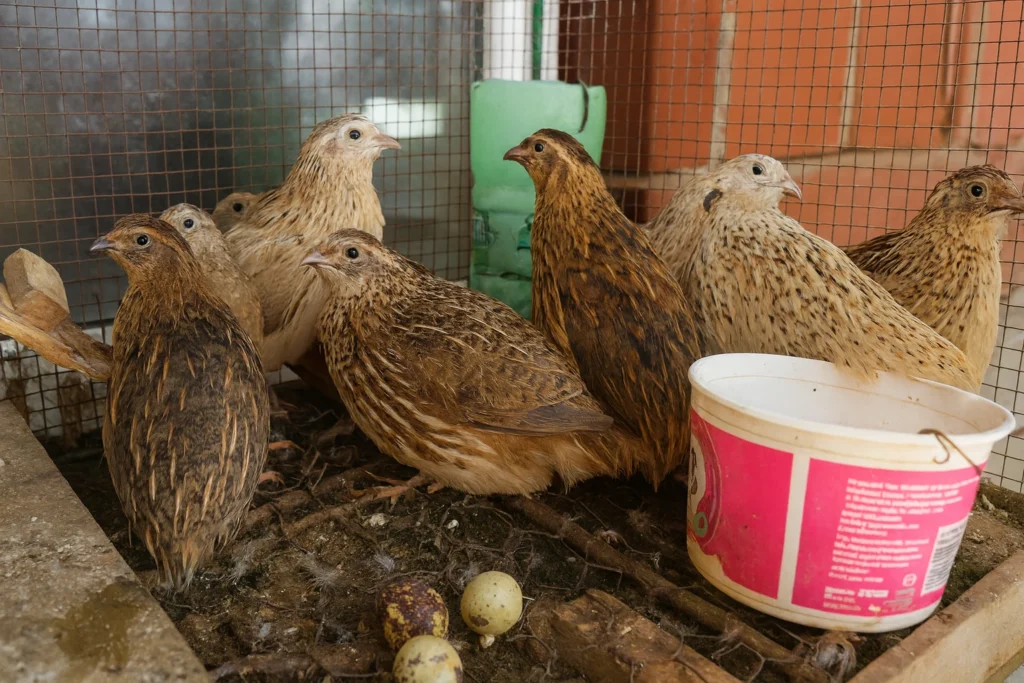
Coturnix Quail The Beginner’s Best Friend
Let’s start with the bird that stole my heart and made me say, “Why didn’t I start quail sooner?”
If you’re new to quail, Coturnix (also called Japanese quail) are the best birds you’ll ever raise. They grow fast like really fast. I’m talking a full grown bird in six to eight weeks. As a guy who hates waiting, Coturnix speak my language.
Why They Work
- They’re quiet. My neighbors didn’t even know I had birds until I gave them eggs.
- The hens lay like crazy almost an egg a day.
- They tolerate confinement, which is a blessing for small backyards.
- They don’t try to outsmart you like chickens.
I’ve raised several color varieties, especially the jumbo ones. If you want meat, go jumbo. If you want eggs, they all lay well.
My Biggest Mistake
I once bought cheap feed trying to save money and the birds stopped laying for nearly three weeks. Lesson learned: quail need high protein, 22 or 24%. No shortcuts there.
Coturnix are what I recommend to everyone. If you want a post about setup, check out my article “How I Built a Cheap Backyard Quail Hutch That Actually Lasted”
Bobwhite Quail Species Beautiful… and Wild Enough to Escape the CIA
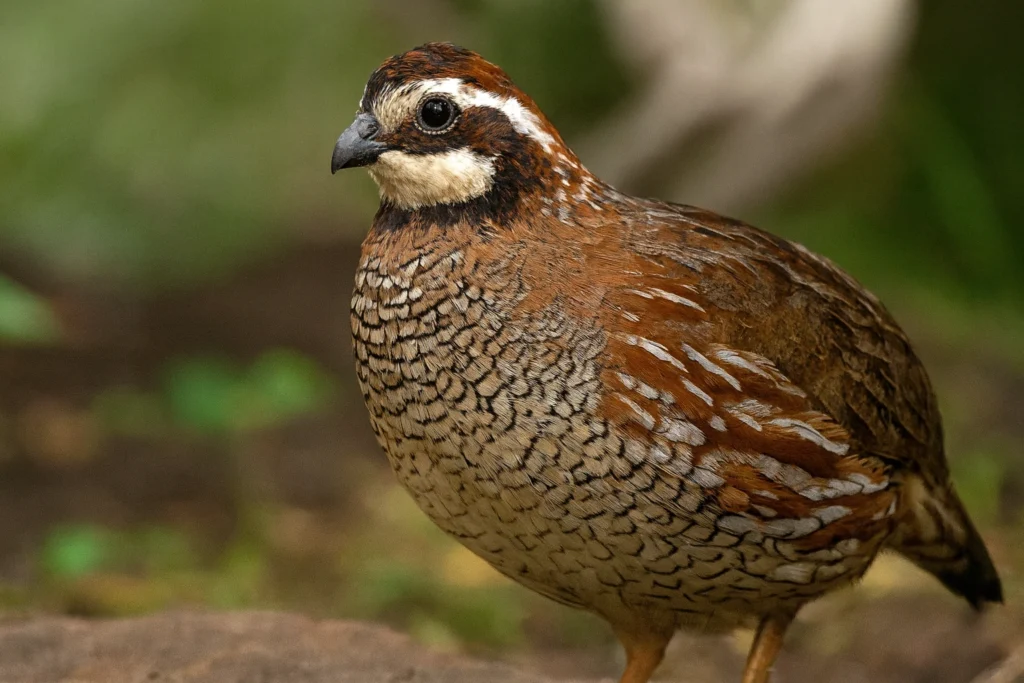
Then there are Bobwhites. These birds are stunning, with their signature whistle that makes you feel like you’re living deep in the countryside even when your house is five feet from your neighbor.
Why I Wanted Them
I thought raising Bobwhites would be just like Coturnix but prettier. That was naïve. Bobwhites are wild at heart, jumpy, and far more flighty. You open the cage too fast? Poof one’s gone.
My Experience
I raised them for one season, and I’ll be honest: they were too wild for my style of homesteading. I prefer calm, productive birds. These guys acted like I had plans to murder them every day.
But if you want:
- birds for release
- a more natural, heritage style quail
- strong flyers with lots of instinct
Bobwhites might be your bird.
As a homesteader, I admired them… from a distance.
Button Quail Species Cute, But Don’t Expect Eggs for Breakfast
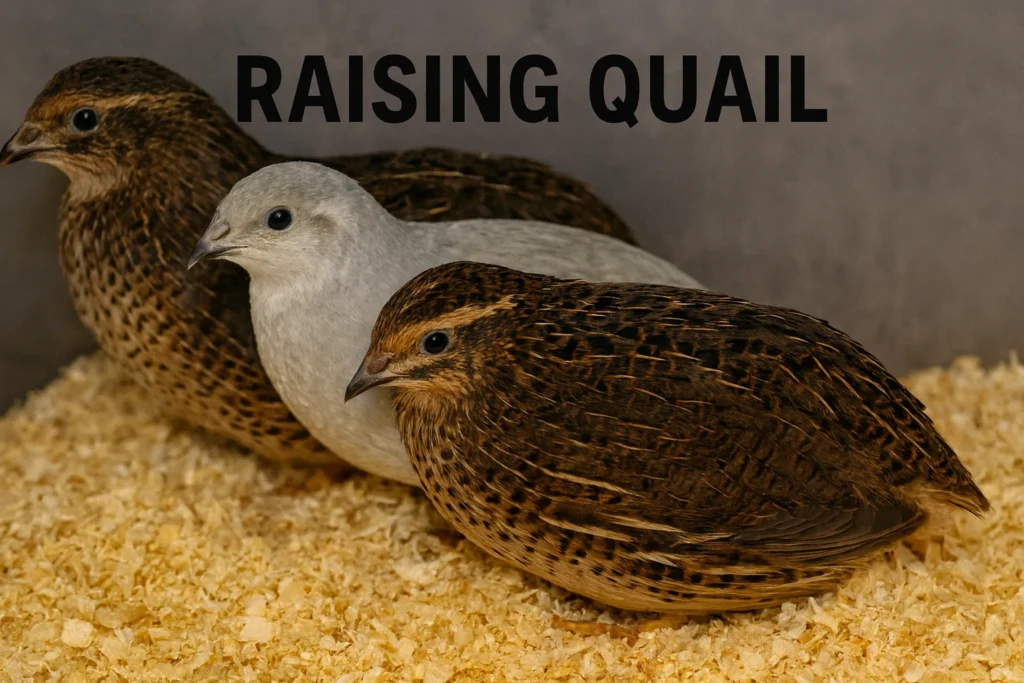
Button quail are adorable, like little feathery ping pong balls. But raising them was more of a hobby than a homestead project.
If you want productivity? Nope.
They lay tiny eggs cute but not practical. These birds are mostly for decoration, breeding projects, and people who love tiny pets.
I kept a trio for one year and enjoyed watching them, but that’s it. They didn’t fit my off-grid “raise useful things” mindset.
Gambel’s Quail The Ones I Wanted to Love, But They Broke My Heart
Now let’s talk about Gambel’s. These birds are gorgeous. The males look like they’re dressed for a fancy party, and they run with that funny, bouncing little topknot.
The Problem?
They’re basically wild desert birds. Imagine trying to tame a roadrunner same energy.
I tried incubation three times.
I succeeded twice.
I raised them for months.
But eventually, they needed more space and more calm than my homestead setup allowed. They’re not for beginners, and definitely not for small backyards.
Would I Raise Quail Species Again?
Probably not unless I had several acres and a quiet corner of land.
Mountain Quail Almost Raised Them… Until I Saw the Price
I never raised Mountain Quail personally, but I researched them hard. And here’s why I stepped back:
- They are expensive
- Hard to breed
- Need huge, natural style enclosures
- Grow slower
- Not friendly
- And honestly… they looked like the kind of birds that would find ways to escape even if I glued the door shut
If you’re running a serious game bird breeding operation, go for it. If you’re running a backyard homestead like mine, Coturnix will do everything Mountain quail do better and cheaper.
California Quail My Almost Favorite
California quail have that iconic teardrop feather on their heads. I wanted them because they reminded me of old Western movies.
My Experience
I bought eggs, incubated them, and got a decent hatch. But again, like most wild quail, they were skittish and sensitive to noise and sudden movement. The more I raised them, the more I realized they weren’t practical for what I needed: eggs, meat, and simplicity.
These are birds for:
- wildlife preserves
- nature lovers
- people with large aviaries
Not for the small backyard homesteader trying to get breakfast every morning.
Which Quail Species Are Truly Best for a Homestead?
After years of raising, testing, and sometimes arguing with these little birds, here’s my honest ranking from a homesteader’s point of view:
Coturnix The King of Homestead Quail
The only species that consistently gives you:
- eggs
- meat
- calm temperament
- fast growth
- simple care
For anyone living off grid or close to neighbors you can check my first post , Coturnix are the answer.
Bobwhite For People Who Want “Wild” Without Going Fully Wild
Good for hunters, wildlife projects, or people who enjoy natural bird behavior.
California & Gambel’s Beautiful But Stressful
Amazing to raise if you have space, patience, and strong cages.
Button Quail Pets, Not Homestead Providers
Cute but not useful for food production.
The Biggest Lessons I Learned Raising Multiple Species
Lesson 1: Tiny Birds Still Need Strong Cages
I once lost six birds because I underestimated raccoons. Don’t do what I did. Build cages like you’re trying to keep out clever thieves which raccoons basically are.
Lesson 2: High Protein Feed or Nothing
Every time I tried lowering the feed quality, the birds punished me by stopping production. They need quality to perform.
Lesson 3: Don’t Raise “Wild” Species in Small Spaces
They panic easily, hit their heads, and live stressed lives. It’s not worth it.
Lesson 4: Coturnix Make Homesteading Simple
Even when I was busy with the garden, the kids, or fixing a broken water pump, Coturnix kept producing. They’re the chickens of the quail world.
Why Quail Species Fit the Off Grid Life So Well
Raising quail actually taught me a lot about living simpler. They don’t require much:
- small footprint
- low feed needs
- low noise
- fast production
- quick replacement if predators strike
In an off grid situation or even in a city backyard they’re one of the few animals that give a lot while asking for almost nothing.
And when you’re living a homestead life, trying to stretch every dollar and every square foot, that matters.
If you want more details on feed and care, check out my article “My Real Quail Feeding Routine: What Worked After Years of Trial and Error”
Final Thoughts: Which Species Would I Recommend to a Friend?
If a friend showed up at my place tomorrow and said,
“Hey, I want quail,”
I’d hand them Coturnix before they finished their sentence.
They’re practical, forgiving, and productive everything you need when you’re juggling gardening, fixing fences, keeping predators away, and trying to enjoy a quiet morning coffee.
Wild quail species are beautiful, but unless you have the land and time for them, they’re more stress than reward.
And that’s what homesteading really teaches you: choose animals that make your life easier, not harder.