
If you told me ten years ago that I’d be the guy bragging about lavender honey to my friends, I’d have laughed hard enough to spill my coffee. Back then, I barely kept a basil plant alive. But here I am, ten years into this homesteading thing, smelling like lavender half the time and talking to bees like they’re my co-workers.
My whole lavender honey adventure didn’t start with some fancy plan. It started by accident, like most of my backyard farming projects. One spring, my wife brought home a few lavender plants because she liked how they smelled. I stuck them near the bee hives, figuring they’d look nice there. A few months later, my honey tasted… different. Lighter, smoother, almost floral. I thought something was wrong with it. Turns out, it was better than I’d ever made before. That was the first batch of my so-called “lavender honey.”
When Bees Met Lavender (and Changed Everything)
Let me tell you something bees love lavender. It’s like catnip for them. You can hear it. When lavender’s in full bloom, the whole corner of the garden hums like a tiny airport. I swear they even fly slower around it, like they’re relaxed.
What I didn’t know at first was how much the plants could change the honey’s flavor. The bees take nectar from wherever they can find it clover, wildflowers, sometimes even the neighbor’s mint patch. But when most of that nectar comes from lavender, the honey ends up with this gentle floral note that smells almost like the fields in southern France. I’m not exaggerating.
My first mistake though? I planted the lavender too far from the hives. I figured bees would find it anyway, right? Well, not really. They prefer the easy stuff close to home. So, I moved a few lavender bushes right up near the apiary fence. Big difference. The next season, my honey had that lavender aroma right from the start.
How I Started Growing Lavender in My Backyard
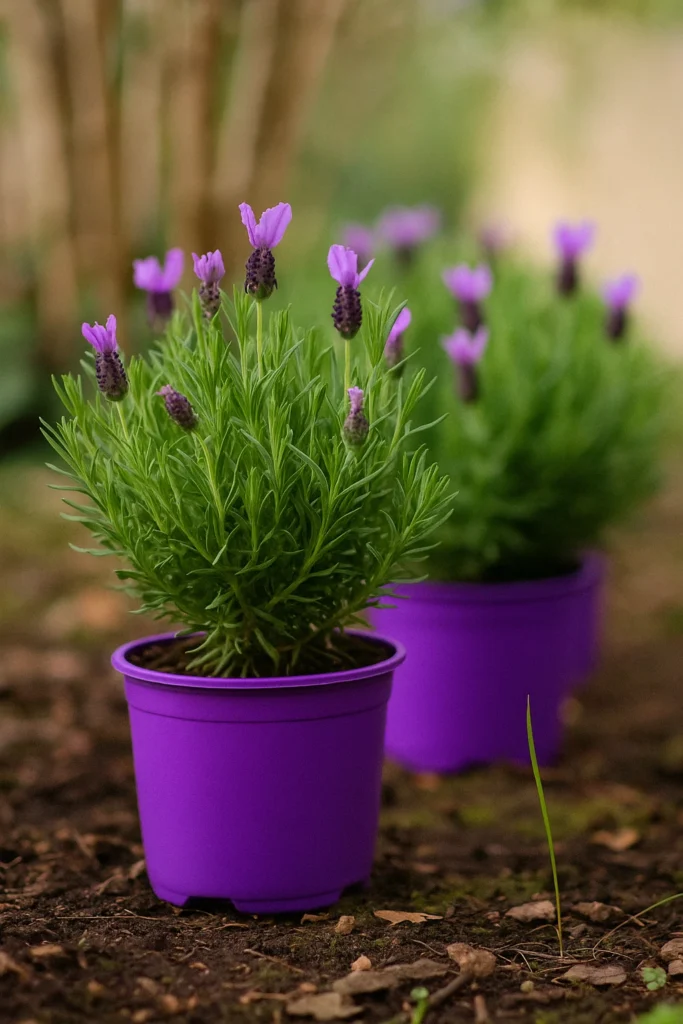
Now, if you’re thinking about growing lavender yourself, lemme save you from some rookie pain. Lavender’s easy once it’s happy, but it’s picky about where it lives. I learned that the hard way.
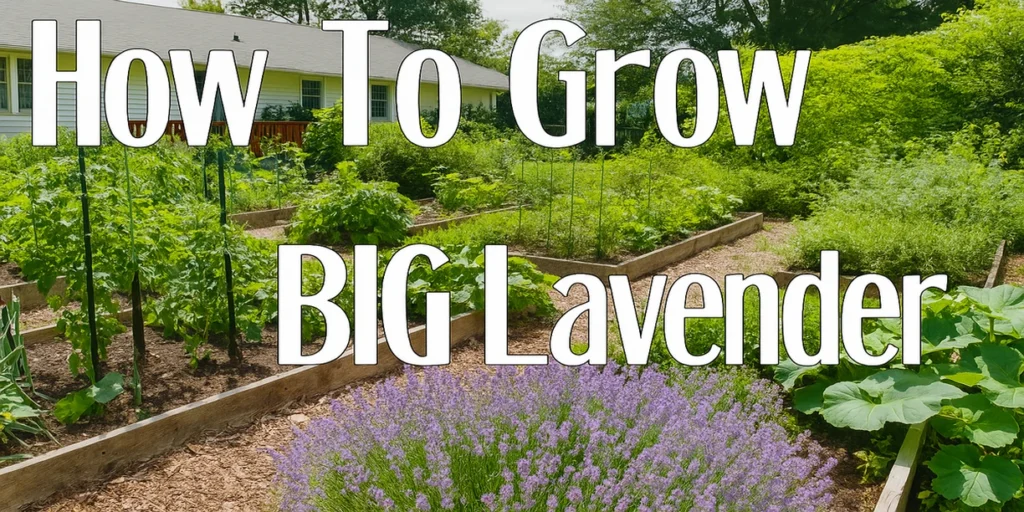
My first batch of plants looked great for about three weeks. Then the rain came, and they started rotting at the base. I didn’t realize lavender hates wet feet soggy soil kills it faster than a frost. So, I tore out that first batch (with a few curse words) and started over, this time building a little raised bed with gravel underneath. That did the trick.
Here’s what worked for me:
- Full sun at least six hours a day. Lavender loves heat.
- Well-drained soil add sand or small gravel if yours is heavy.
- Don’t baby it it actually does better if you leave it alone a bit.
And don’t make my second mistake: planting them too close together. Lavender needs space to breathe. The first year, I crammed a dozen plants in a six foot bed. They looked great until they started fighting for space. Now I keep about two feet between each. The plants stay healthier, and the bees have more room to hover.
Oh, and one more thing. If you live somewhere humid, prune your lavender often. Keeps the air flowing and prevents mold. I didn’t do that once and ended up with half-dead plants that smelled more like old socks than lavender.
My Backyard Bees and Their Sweet Routine
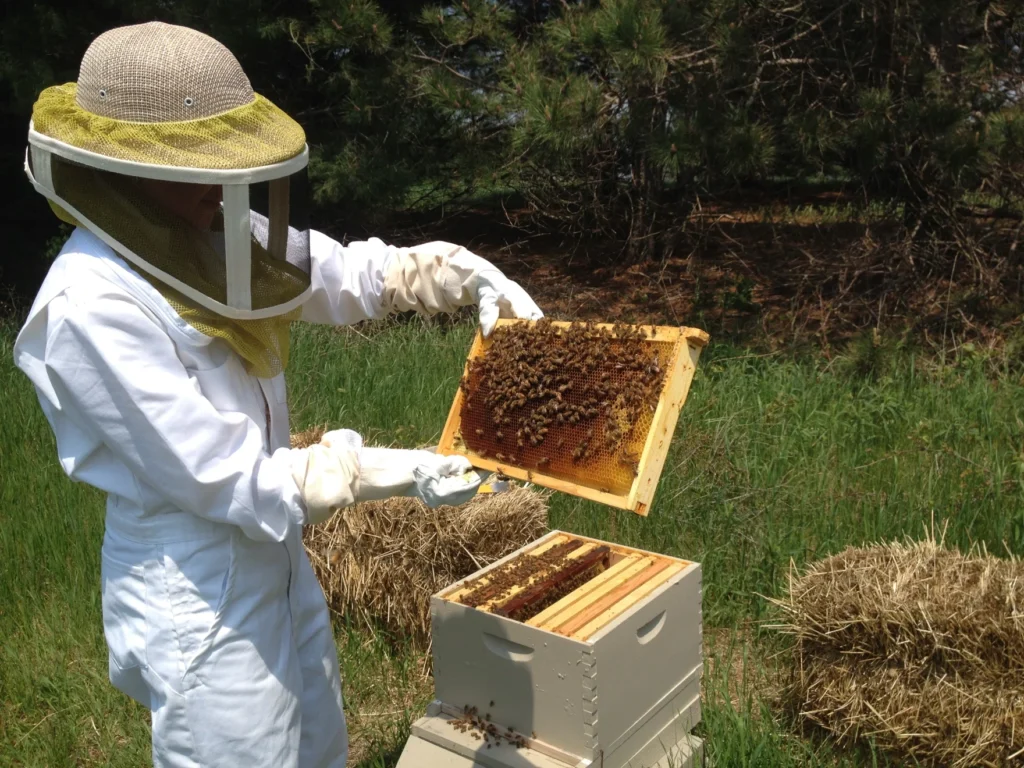
My bees are honestly the hardest workers around here. I started with one hive — bought from a local beekeeper who warned me, “They’ll sting you before they love you.” He was right. I got stung three times the first week, all because I thought I could check the hive without smoke. Rookie move.
Over time, though, I got better at reading them. Bees have moods, you know. Cloudy day? Stay out. Windy? They’re cranky. When it’s warm, calm, and sunny that’s when I do my hive checks.
When I first set up my hives, I didn’t care much what the bees were foraging on. I just wanted honey. But once I saw how much they went after lavender, I started noticing changes. The honey was lighter in color, smoother on the tongue, and had this little floral kick that regular clover honey never had.
One of my favorite moments came one summer morning. I popped open a frame to check the comb, and this wave of lavender scent hit me. I knew right away this batch was gonna be special.
Harvest Time: Sticky Hands, Sweet Payoff
If you’ve never harvested honey before, let me tell you it’s both magical and a total mess. There’s wax everywhere, your hands stick to everything, and the kitchen smells like heaven and chaos at the same time.
My first lavender honey harvest was honestly hilarious. I’d left the frames out on a table for “just a minute.” Went inside for coffee. Came back out ants. Hundreds of them. Crawling all over my precious honey frames. I almost cried. Lesson learned: don’t leave honey unattended for even five minutes.
When I finally got it all extracted and strained, the difference was unreal. The color was this pale golden amber, lighter than any honey I’d ever made. And the flavor… it’s hard to describe. It’s like honey met sunshine and a bouquet of flowers had a baby. Sweet, but not too sweet. Perfect in tea.
My wife started using it in baking shortbread cookies, glazes for chicken, even drizzled over goat cheese. And I started giving jars to friends. Now every year, folks start asking me by spring if the lavender honey’s “ready yet.” I gotta admit, that feels good.
How I Use Lavender Honey Around the Homestead
I use lavender honey for everything now. Some mornings, I mix it into warm tea and sit on the porch just listening to the bees buzzing around the same flowers that made it. There’s something peaceful about that a little circle of life right in your backyard.
Here’s a few ways I use it:
- For sore throats: one spoon straight up, works better than most medicine.
- In baking: swap regular sugar for honey in muffins or cakes, gives a soft floral note.
- On grilled chicken: mixed with olive oil and lemon, makes a great glaze.
- DIY salve: I mix lavender honey with coconut oil and beeswax it’s amazing for dry hands after gardening.
One of my favorite discoveries came by accident again. I spilled a bit of honey on my hands while bottling, wiped it off with a towel, and later realized my skin felt softer. Now I use that salve every week.
Questions I Get All the Time
Q: Can I make lavender honey without keeping bees?
A: You can infuse regular honey with dried lavender. Just warm the honey a little, add a tablespoon or two of dried lavender buds, and let it sit for a week. Strain it and there you go, “lavender-style” honey. It won’t be exactly the same, but it’s close.
Q: How many lavender plants should I grow near my hives?
A: I’ve got around twenty now, and that’s enough to flavor the honey nicely. Start with at least ten if you’ve got space.
Q: Do bees really like lavender that much?
A: Oh yeah. When mine bloom, it’s like rush hour traffic. The bees love how easy it is to get nectar from lavender’s flowers. Plus, it keeps them calm. I notice fewer stings during lavender season.
Final Thoughts: The Sweet Reward of Backyard Farming
If you’re into backyard farming and you’ve got a little space, give lavender honey a try. You don’t need acres or fancy tools. Just some lavender, a few happy bees, and patience.
I’ll be honest it’s not always smooth sailing. Bees die off sometimes, plants rot, honey spills, and you’ll probably get stung more than once. But the first time you crack open that jar of golden lavender honey you made yourself, all the mess and mistakes feel worth it.
Every spoon reminds me how far I’ve come since my first dead lavender plant and angry bees. And it’s a reminder that the best parts of homesteading aren’t perfect they’re just real.
So yeah, if you ever get the chance, grow a little lavender, raise a few bees, and let nature surprise you. And if you mess it up, don’t worry. I did too and I still ended up with the sweetest honey of my life.