


You know, when I first told my buddies I was gonna Living Off the Grid , they laughed so hard I thought one of ‘em might choke on his beer. You? Mr coffee and WiFi? they said. And yeah, back then, they were right. I didn’t even know how to wire a solar panel or keep a wood stove burning overnight. But ten years later, here I am still off the grid, still learning, still screwing things up sometimes, but I wouldn’t trade this life for anything.
Why I Decided to Living Off the Grid (and How Clueless I Was)
I didn’t grow up dreaming of living like this. It kinda happened by accident. One winter, our power went out for three days. No heat, no lights, no hot coffee (that part nearly killed me). That’s when I realized how fragile the “normal” system really is. I started reading, watching videos, talking to old timers who knew how to live without the plug.
I thought it would be easy you know, get some solar panels, grow a few veggies, maybe raise some chickens. But the first few months, man, it was chaos. My batteries died, the water pump froze, and my first compost toilet experiment… well, let’s just say I learned the hard way that ventilation is not optional.
Getting Started: Building the Basics of My Off Grid Homestead
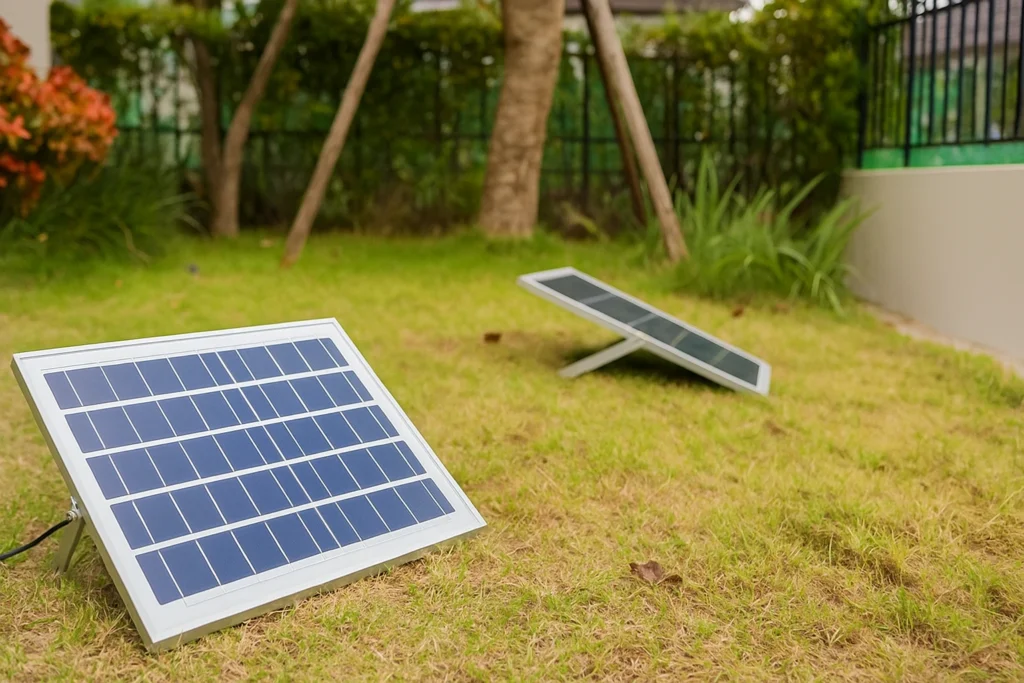
The first real step was figuring out power. I went with solar because it seemed easiest. Spoiler: it’s not easy, but it’s worth it. I started small four panels and two old deep cycle batteries I found online. The wiring looked like spaghetti, but it worked. Well, kinda. On cloudy days, I had to choose: lights or fridge. Guess who learned to live without cold beer?
Eventually, I upgraded to a proper setup 12 panels, a battery bank, and an inverter that doesn’t hum like a chainsaw. Now I can run my well pump, freezer, and even my laptop. Still, every morning I check the sky before flipping a switch. The sun’s my boss now.
Then came water. I built a rainwater harvesting system from a couple of old barrels and some PVC pipe. The first time it rained, I ran outside like a kid, dancing under the gutters. But here’s a tip: always add a filter screen, or you’ll end up with mosquito soup in your tanks.
Now I’ve got a setup that collects about 600 gallons per big storm, and I use gravity to move it through a simple filter into my kitchen. Clean, simple, and zero electric bill.
Food: Growing, Raising, and Learning to Feed Myself
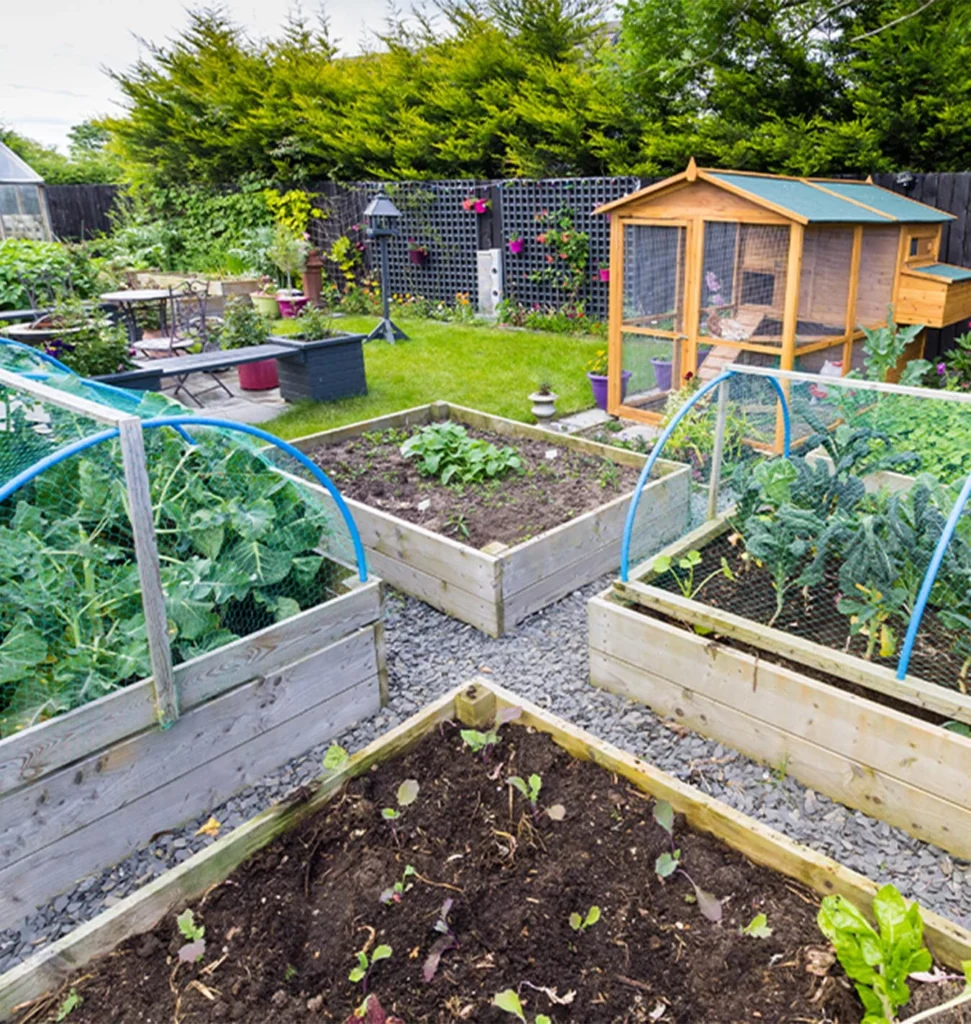
The first garden I planted was a joke. I threw seeds in the ground, didn’t bother with compost, and wondered why nothing grew. My neighbor Tom (old school farmer, tough as nails) came over, spat his tobacco, and said, “You feed the soil, not the plants.” That stuck with me.
So I started composting everything chicken manure, kitchen scraps, leaves, even the occasional dead mouse from the barn cats. Now my soil’s dark and crumbly, and my garden feeds me year round. I grow potatoes, squash, kale, onions, and enough tomatoes to make sauce for the winter.
Then I added animals chickens first, because who doesn’t love fresh eggs? Later I brought in goats for milk and ducks for pest control. Goats are escape artists, by the way. One time my doe figured out how to open the latch on her gate and ate half my laundry. If you ever get goats, use double locks.
And if you’re thinking about raising animals off grid, here’s my honest tip: plan for feed and water first. The animals don’t care if your solar batteries are dead they still need breakfast.
Heating, Cooking, and Staying Warm (Without Losing My Mind)
Winters off the grid test your soul. The first one nearly broke me. I had one wood stove, no proper insulation, and thought three cords of wood would be enough. Ha! By mid January, I was chopping logs at midnight in my pajamas. Now I keep eight cords ready, stacked under tarps.
I heat with wood and a bit of passive solar. South-facing windows make a big difference. For cooking, I’ve got a propane stove and an outdoor rocket stove I built from bricks. That thing’s magic burns twigs and boils water in minutes. When propane’s low, I use that.
And I’ll be honest off grid living teaches you patience. Some mornings, when it’s 15°F and you’re lighting a fire just to make coffee, you question your life choices. But when the cabin fills with that warm glow and the smell of wood smoke, you remember exactly why you’re here.
The Money Side: What It Really Costs to Living Off the Grid
People think living off the grid is cheap. It’s not at least not at the start. Between the solar setup, batteries, water system, and basic tools, I probably spent around $12,000 in the first year. But now? My monthly bills are close to zero. No electric, no water, no gas bill. Just a bit of maintenance and the occasional replacement part.
If I could go back, I’d tell my younger self: don’t cheap out on the batteries. The cheap ones die fast and leave you cussing at midnight with a flashlight in your teeth. Invest in quality from the start it’ll save your sanity.
The Mental Shift: Slowing Down and Living Real
One of the weirdest things about off-grid life is how it changes your mind. At first, I missed the noise the constant buzz of traffic, phones, and screens. But now I love the silence. You start hearing things you never noticed before: frogs after rain, wind through pine trees, your own thoughts.
It’s not just about self sufficiency. It’s about connection to your food, your land, and your choices. When you chop your own firewood, pump your own water, and grow your own meals, you see how much effort life really takes. But that effort makes it meaningful.
There’s something grounding about that. You can’t fake it, and there’s no shortcut.
Mistakes I Made (and Still Make)
Oh, I’ve made plenty. Like the time I forgot to secure the chicken coop door and lost half the flock to a raccoon. Or when I wired my solar panels backward and blew a fuse so loud I thought lightning struck.
The key is learning. Every mistake off grid costs you something time, energy, or comfort but it also teaches fast. I keep a little notebook where I write down what worked and what didn’t. That’s my off grid “manual.” No YouTube video beats experience.
Community: You Can’t Do It Alone
Funny thing I thought moving off the grid meant being totally independent. But the truth is, you still need people. My neighbor helped me fix my first well pump. I trade eggs for honey with another friend. We share tools, knowledge, and sometimes just stories around a fire.
So if you’re dreaming of off grid life, don’t isolate yourself. Find others doing it too. It makes everything easier and a lot more fun.
My Daily Routine With Living Off the Grid (If You’re Curious)
Here’s kinda what a typical day looks like out here:
- Feed chickens, goats, ducks
- Check the solar charge and battery bank
- Fill the water filter from the rain tank
- Make coffee (non negotiable)
- Work the garden or split firewood
- Fix something that broke (always something)
- Watch the sunset with a jar of homemade cider
It’s simple, repetitive, sometimes tiring but I sleep better now than I ever did in the city.
Mini FAQ
Q: How do you deal with no internet or phone signal?
A: I actually have a small solar powered router that connects through a satellite hotspot. It’s slow, but enough to check emails or post a photo of the goats once in a while.
Q: Do you ever get lonely?
A: Sometimes, yeah. But I also get peaceful. There’s a big difference between being alone and being lonely. Out here, I’ve learned to enjoy my own company.
Q: What’s the hardest part of living off the grid?
A: Winter. No contest. Cold, dark, and every small mistake feels bigger. But if you prepare right good wood, backup power, and a full pantry you’ll be fine.
What I’d Tell Anyone Thinking About Living Off the Grid
Start small. Don’t go full hermit overnight. Try growing your food, setting up a rain barrel, or getting a small solar kit. Build your skills before you build the dream.
And be ready to fail. A lot. But that’s part of the beauty. Every problem you solve out here gives you confidence. You stop relying on systems that don’t care about you and start trusting yourself.
I’m not saying it’s easy it’s not but it’s worth it. When I sit on my porch at night, lantern glowing, coyotes howling in the distance, and no hum of electricity anywhere… that’s freedom. Real, quiet, earned freedom.

Pingback: Small Septic System