
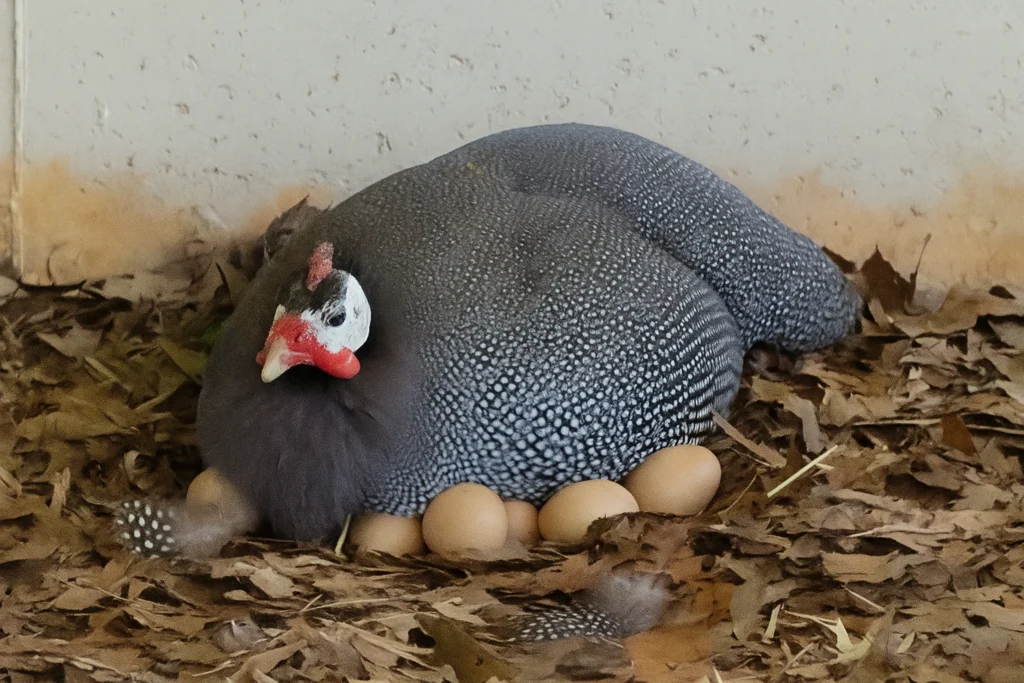

I’ll be honest I didn’t plan on getting guinea hens. My neighbor gave me a pair after his wife got tired of the noise, You can tcheck my older post about how i start raising guiena hens (you’ll understand later why). I thought, how bad could it be? They were funny looking little birds, kind of spotted like tiny dinosaurs. What I didn’t expect was how much those guinea hen eggs would change how I look at backyard farming and breakfast.
This is my story of what I did right, what I messed up, and what I’d tell anyone thinking about keeping guineas or trying their eggs. Spoiler alert: they’re noisy, stubborn, and somehow still my favorite birds on the farm.
So, What’s the Deal with Guinea Hen Eggs Anyway?
If you’ve never cracked open a guinea hen egg, you’re in for a surprise. They’re smaller than chicken eggs kind of pointy on one end and the shell is tough, like really tough. The first time I tried to crack one, I slammed it against the pan and nothing happened. I thought it was fake!
Once you get inside, though, the yolk is deep yellow, richer than my chicken eggs. The taste? A little more earthy, almost buttery. My wife swears her cakes come out better when she uses guinea eggs. I’m not sure if it’s just the love she puts in or the eggs themselves, but I’m not arguing.
How I Ended Up Raising Guineas (By Accident)
A few years back, I had this problem with ticks in my garden. My chickens were doing their best, but those little pests were everywhere. Then my buddy Joe said, “You need guineas, man. They’re like feathered pest control.”
So, I took two home. I figured, worst case, they’d just eat feed and make some noise. Well, they did make noise a lot. Imagine a car alarm mixed with a kazoo, but constant. Still, they earned their keep fast. Within a few weeks, the tick population dropped like crazy. My dog stopped scratching, and I started seeing fewer bugs around the compost pile.
Then one morning, I spotted this tiny nest under a bush full of small, speckled eggs. That’s how my obsession with guinea hen eggs started.
Finding Their Nests (Not As Easy As You’d Think)
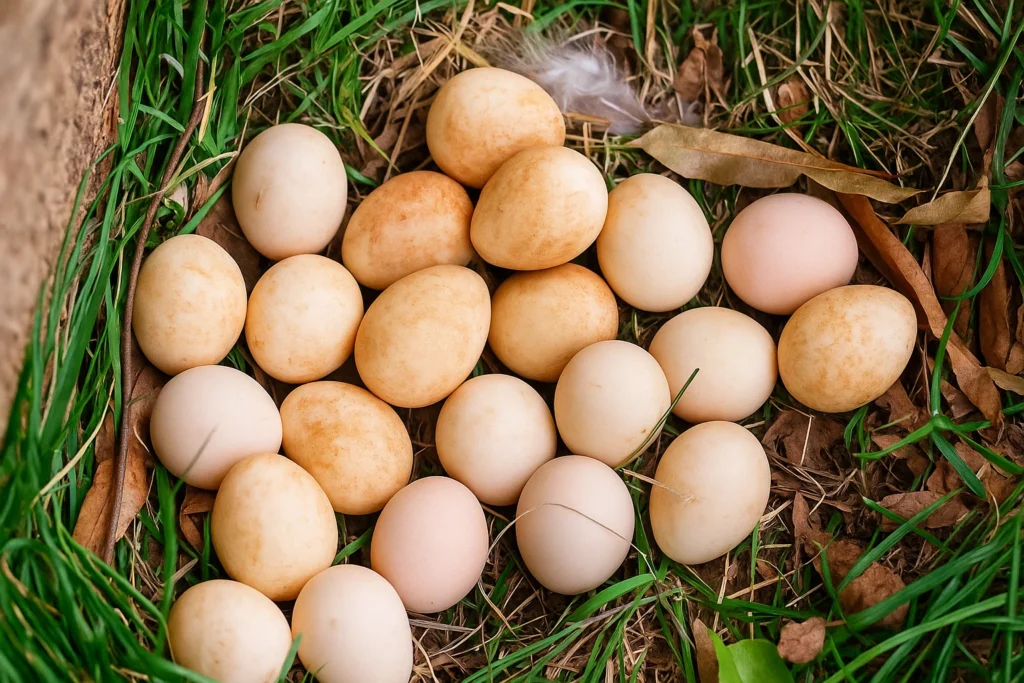
Here’s the thing no one told me: guineas don’t like to lay eggs in the coop. Nope. They prefer hiding them in the most ridiculous spots possible. One time I found a clutch behind the wheelbarrow. Another time, my kid found some under the lavender bushes 18 of them, all at once!
They lay around 100 or 150 eggs per season, usually spring through summer. But you gotta be quick if they get scared, they’ll abandon the whole nest. I learned that the hard way when my dog barked too close, and the hen never came back.
My tip? Mark the area quietly, let her do her thing, and check daily when she’s off the nest. Once I got the rhythm down, I had fresh guinea eggs almost every morning.
The Taste Test: Guinea vs Chicken Eggs
Now, I’ve eaten plenty of chicken eggs over the years. Fried, scrambled, boiled, you name it. So, when I first cooked guinea eggs, I expected them to taste the same. Boy, was I wrong.
Here’s what I noticed:
- Yolk to white ratio: More yolk, less white. Makes them richer.
- Texture: Slightly thicker, great for baking or frying.
- Flavor: Kind of bold not “wild” like duck eggs, but more flavor than chicken ones.
- Cooking time: They’re smaller, so don’t overcook ‘em. Trust me, they go rubbery fast.
My favorite way? Sunny side up, a little salt and pepper, with sourdough toast from my wife’s last bake. Simple, but man, it hits the spot.
A Few Mistakes I Made with Guinea Eggs (Learn from Me)
The first big mistake I didn’t collect them daily. Guinea eggs can spoil faster in hot weather, especially if they’re hidden outside. Once I found a clutch that looked perfect but smelled awful. Lesson learned: check daily, even if it means crawling through bushes.
Second, I once washed them right away. Bad move. Like chicken eggs, guinea eggs have a natural coating called “bloom” that keeps bacteria out. If you wash it too soon, you shorten their shelf life. Now, I just wipe them gently with a dry cloth and store them unwashed in the pantry if I plan to eat them soon, or in the fridge if it’ll be a while.
And lastly, I didn’t realize how long they stay fresh. Because of the thick shell, guinea eggs actually last longer than chicken eggs up to 6 weeks in the fridge! That’s been a game changer for us, especially when the hens go on their laying streak.
Incubating Guinea Hen Eggs: What Worked (And What Didn’t)
One spring, I decided to hatch some guinea keets (that’s what the babies are called). I thought, “I’ve done chicken eggs before, how hard could it be?” Ha. Famous last words.
Turns out, guinea eggs take longer about 26 or 28 days and they need slightly higher humidity. My first batch? Total fail. I set the wrong temperature, and none hatched. I was bummed, but I tried again, this time following the settings: 99.5°F and 50% humidity, bumped up to 65% the last few days.
That round, 8 out of 12 hatched. Watching those tiny, speckled keets pop out was one of the coolest moments I’ve had on the homestead. They’re fast, loud, and way too cute for their own good.
Are Guinea Hen Eggs Safe to Eat?
I get this question a lot from folks visiting the farm. Yep, totally safe as long as they’re clean and collected regularly. The shells are thicker, so they stay fresh longer, and you can cook them any way you would a chicken egg.
My wife loves using them in baking. She says they make fluffier cakes and richer custards. I even swapped them into my weekend omelets, and no one noticed (except me it tasted a little better).
Just keep in mind, if your guineas free range a lot, the eggs might pick up some dirt or grass bits. That’s normal. Just wipe gently and you’re good.
Why I Think Guinea Hens (and Their Eggs) Are Worth It
Sure, they’re noisy, and yeah, they act a bit wild compared to chickens. But guinea hens earn their keep big time. They eat ticks, beetles, grasshoppers, and even small snakes and they don’t tear up the garden beds like chickens do.
And those eggs? Once you try them, you’ll get hooked. They taste like what eggs should taste like deep, rich, and real.
Plus, they’re conversation starters. Every time friends visit, they ask, “What kind of eggs are those?” and I get to tell the story of how two noisy birds turned into a small flock that protects my garden and feeds my family.
Quick Tips for New Guinea Keepers
If you’re thinking of getting into guineas for the eggs, here’s what I’d say:
- Don’t expect them to act like chickens they’re wilder and need space.
- Collect eggs daily, even if you have to hunt for them.
- Use the eggs in baking you’ll love the results.
- Don’t freak out if they scream at everything. It’s just what they do.
- Mark their nesting spots quietly and let them feel safe.
They’re not for everyone, but if you’ve got a bit of patience (and earplugs), guineas can be some of the most rewarding birds to keep.
Mini FAQ About Guinea Hen Eggs
Q: How many eggs do guinea hens lay a year?
A: Around 100 to 150 per season, sometimes more if they’re happy and safe.
Q: Can I eat them raw or soft-boiled?
A: Yep, just like chicken eggs. Just make sure they’re clean and fresh.
Q: Do guinea eggs taste weird?
A: Not at all they’re just richer and a bit more flavorful. You’ll get used to it fast.
Final Thoughts: My Honest Take on Guinea Hen Eggs
I’ve had chickens, ducks, quail even one goose that hated everyone but guinea hens are something else. They’re loud, proud, and give you eggs that make all the extra noise worth it.
If you’ve got the space, patience, and curiosity, give guinea hens a try. You’ll get fewer ticks, better eggs, and a good laugh every morning when they start yelling at the sunrise.
And hey, if you ever get lost looking for their hidden nest under the bushes just know, I’ve been there too.
Got a weird question about guinea eggs? Drop it below. I actually answer


