


I still remember the day I brought home my first curry leaf plant. It was this tiny, sad-looking stick with three leaves, and I thought, How hard could this be?
Well, lemme tell you I almost killed it in the first month. Between too much sun, not enough water, and moving it around like a confused chicken, that little guy barely made it. But now, years later, I’ve got a beautiful curry leaf tree sitting on my porch that gives me leaves all year long. It’s been through storms, neglect, and even my dog digging near its roots and it’s still alive. That’s how tough (and forgiving) these plants can be if you learn their quirks.
Why I Love the Curry Leaf Plant So Much
If you’ve ever cooked real Indian or Sri Lankan food, you already know that smell the earthy, spicy, lemony scent that makes your mouth water. Those are curry leaves. Not curry powder, not some spice blend the actual leaves.
When I first got into backyard homesteading, I wanted more than just tomatoes and basil. I wanted plants that made my cooking different, more interesting. The curry leaf plant quickly became one of my favorites.
I also like it because it reminds me of resilience. You cut it back, it grows again. You forget to water it for a bit, it sulks but once you give it love again, it bounces right back. Honestly, it’s a lot like us homesteaders stubborn, but with a good heart.
How I Started Growing Curry Leaf Plants (and What Went Wrong First)
So, my first curry leaf plant came from a small nursery that didn’t even know what it was. The lady told me, “That’s some kind of spice tree.”
I planted it right into the ground. Big mistake. Where I live, winters can dip below 40°F, and that poor thing froze half to death by December. I learned the hard way that curry leaf plants love warmth. If you live anywhere that gets cold, keep it in a pot so you can bring it inside during winter.
Here’s what I do now that actually works:
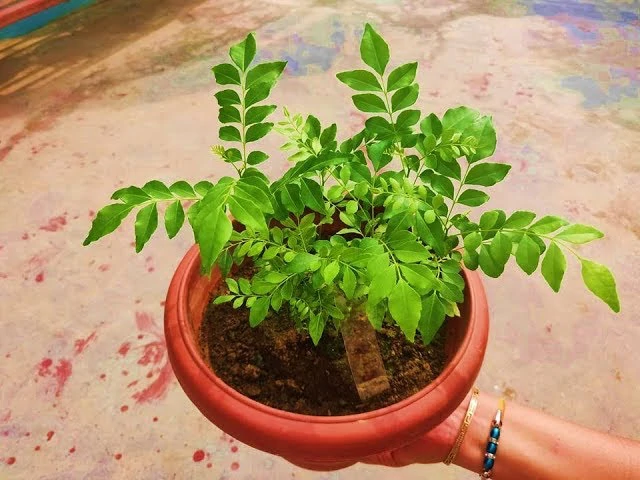
- Use a medium-sized clay or plastic pot not too big at first, they don’t like sitting in wet soil.
- Soil mix: half compost, half potting mix, and a little sand for drainage.
- Sun: mine gets 5 or 6 hours of direct sunlight every day. Morning sun’s best.
- Water: not too often! Wait until the top inch of soil dries out.
- Fertilizer: I just throw in some compost tea or worm castings every couple weeks in the growing season.
I killed two plants before getting this combo right, so if yours is struggling don’t give up yet. They’re slow starters.
The Trick to Making Them Bushy
Okay, this is where I messed up for almost a year. I kept wondering why my curry leaf plant was growing tall but not full. Just this sad little stick with leaves at the top.
Then one day, an old Indian lady at the farmer’s market saw me buying curry leaves and said, “You gotta pinch the tips, son!” I laughed and said, “Pinch what?”
She explained when your plant’s about a foot tall, start snipping off the top new leaves. That forces the plant to branch out, become bushier.
I went home, grabbed my scissors, and nervously cut the top of my little plant. Within a few weeks, I had side branches coming out. It looked alive again.
So yeah, the secret is simple: prune often and don’t be afraid.
Fighting Bugs and Other Problems
If there’s one thing that drives me nuts, it’s aphids. Tiny green bugs that love sucking on new curry leaves. I used to panic and spray store-bought stuff, but now I just mix a simple homemade spray:
- 1 quart of water
- 1 teaspoon dish soap
- a few drops of neem oil
Spray that once a week and you’ll keep most bugs away. Oh, and spider mites love these plants too, especially if the air’s too dry. So if you’re keeping your curry leaf plant indoors, give it a little misting every now and then.
Also, sometimes your plant’s leaves might turn yellow. Don’t freak out it’s usually either overwatering or lack of nutrients. I feed mine a little fish emulsion every month and it stays happy.
Growing Curry Leaf Plant Indoors
I used to think you couldn’t grow a curry leaf plant indoors, but I was wrong. One winter I forgot to bring my plant inside early, and frost got most of it. I trimmed the dead branches and put it near a sunny window, and that’s when I realized it can survive indoors if you do it right.
Here’s what works for me:
- Keep it near a south-facing window.
- If there’s not enough light, use a cheap grow light from Amazon.
- Don’t water too much (roots rot easy inside).
- Keep the humidity up I place a small bowl of water near it or mist the leaves.
By spring, that same plant had new shoots coming up from the base. I felt like I brought it back from the dead.
Propagating Curry Leaf Plants (My Lazy Way)
I tried growing from seed once… never again. It takes forever, and my patience ran out. What works best for me is cuttings.
I just cut a branch about 6 inches long, remove the lower leaves, dip the end in rooting powder (honestly, sometimes I skip that), and stick it into moist soil. Cover it with a clear plastic bottle cut in half makes a mini greenhouse.
A couple of months later, you’ll see roots. Sometimes it fails, sometimes it doesn’t. I usually do three cuttings at once at least one always survives. That’s the lazy homesteader way.
Using Curry Leaves in the Kitchen
Now here’s the fun part.
When I first started growing curry leaves, I didn’t know how to use them right. I used to throw a handful straight into curry, raw. It tasted… weird.
Then a friend from Kerala told me the trick you fry the leaves first in hot oil or ghee. That’s how the flavor comes out. The smell fills the kitchen like heaven.
Here’s one of my simple uses:
- Heat some oil in a pan
- Toss in mustard seeds, garlic, and a few curry leaves
- Let them crackle and pop
- Pour it over lentils or rice
That’s pure magic. I even dry some leaves and crush them into powder when I’ve got extras.
My Little Mistake with Fertilizing
One summer, I got overexcited and dumped a bunch of chicken manure around my curry leaf plant. Figured it’d make it grow faster. Well… it burned the roots. Leaves dropped, and I thought I’d lost it for good.
So don’t overdo it. Curry plants like light feeding, not heavy stuff. These days, I stick to compost or diluted fertilizer. Sometimes I just talk to it no joke, I swear plants listen.
The Plant That Keeps on Giving
Once your curry leaf plant gets going, it’ll keep giving for years. I’ve had mine for nearly six years now. Every spring, it sends out new shoots, and I prune a few branches to dry or give to friends.
Neighbors always ask me, “How do you keep it alive so long?” I just say, “Don’t smother it. Let it breathe, give it sun, and don’t baby it too much.”
Honestly, that’s good advice for most plants and for life too.
My Top Tips for Curry Leaf Success
Alright, here’s what works for me not fancy, just real:
- Keep it warm (above 60°F).
- Give it bright sun, but not scorching.
- Don’t drown it let the soil dry a bit between watering.
- Prune often to make it bushy.
- Bring it indoors in winter if you’re in a cold area.
- Watch for bugs early they spread fast.
And most important: be patient. It’s a slow grower, especially the first year. Don’t give up. Once it’s happy, it’ll reward you big time.
Q&A: Real Questions Folks Ask Me
Q: Can I grow a curry leaf plant from dried seeds?
A: Nah, not really. The seeds need to be fresh. Dried ones usually won’t sprout. Try getting cuttings instead.
Q: Will it survive winter outside?
A: Depends where you live. If you get frost, bring it in. Trust me I’ve lost one that way.
Q: Can I grow it in a small apartment?
A: Sure thing! Just make sure it gets light. A sunny window or cheap grow light will do the job.
Final Thoughts and a Little Heart Talk
If you’re thinking about growing a curry leaf plant, go for it. It’s not just another herb it’s one of those plants that teaches you patience, rhythm, and care.
I’ve learned more from that plant than from half the gardening books I own.
It’s been sick, it’s been strong, and it’s been my little reminder that growth takes time.
So don’t worry if you screw up we all do. Just keep at it. One day, you’ll be frying those fresh green leaves in your pan, smiling like I did.


